Albemarle Idles Lithium Hydroxide Production Tightening Battery Chemical Supply

Albemarle halts Australian lithium expansion to protect margins as oversupply forces production cuts for battery buyers.

29.08.26 2 min

Briefing

Albemarle is idling one production train at its Kemerton lithium hydroxide plant in Australia and stopping construction on a second expansion line. The decision cuts active output and cancels planned capacity after sustained price drops made the high-spec processing facility uneconomic to run. Battery supply chains now face reduced volume from low-risk jurisdictions, forcing greater reliance on existing inventories and the few operational sites left. To preserve cash flow, the company plans to trim annual capital expenditure by approximately 500 million dollars.

A white folded container and brass couplings rest beside a vertical metal guide post feeding a dark polymer sheet across an industrial room.

Context

Buyers had counted on a steady ramp-up in Australian refined lithium to diversify supply chains away from dominant regional hubs. Procurement teams were tracking this capacity to help stabilize pricing and provide a dependable alternative to traditional refining centers, particularly as a supply source for high-nickel battery manufacturing over the coming years.

Polished metal milling vessels align along a dark industrial workbench inside a materials testing and sample preparation facility.

Analysis

Producers are prioritizing cash preservation over market share as global lithium prices fall below operating costs for complex refineries. When converting raw spodumene ore into hydroxide costs more than the finished chemical fetches on the spot market, facilities shut down. That drag travels downstream, slowing long-term contract fulfillment and shrinking volumes available on the open market. Idling lines will eventually work through the inventory overhang weighing on pricing, but lower refinery output will lengthen lead times for specific chemical grades as volume concentrates across fewer active plants.

A metal storage box secured with straps sits on a concrete floor near a white masonry wall in this industrial digital render.

Parameters

  • Production Reduction ~ Half of the existing refinery capacity at the Kemerton site is moving into care and maintenance.
  • Capital Expenditure Cut ~ Spending will be reduced by an estimated 500 million dollars over the next fiscal period to protect the balance sheet.
  • Market Price Trigger ~ Lithium prices remain approximately 80 percent below the peak levels seen two years ago.
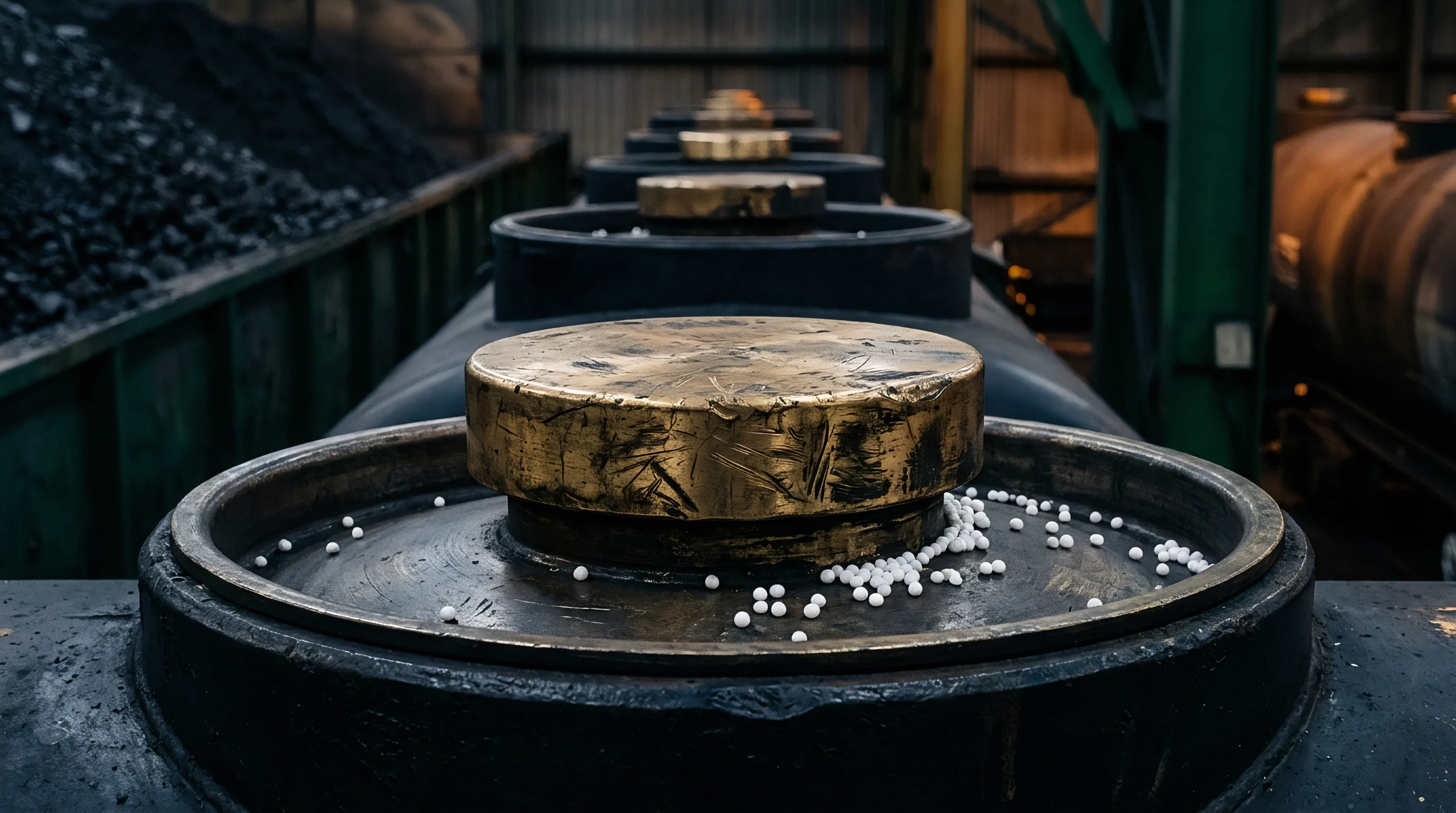
White polymer pellets scatter on the metallic hatches of bulk cargo tank cars parked inside an industrial distribution terminal.

Outlook

Buyers should track Australian spodumene index levels through the next quarter. If feedstock prices hold near current lows, other western refineries likely face similar curtailments. The critical watchpoint will be delivery terms on high-volume supply contracts up for renewal in January, which will show whether producers can maintain output at these price levels or need to take further capacity offline.

A burette fixed to a metal laboratory stand hovers over a rod atop a balanced plate beside irregular mineral samples.

Verdict

Professional buyers should prepare for tighter availability of Australian-refined battery chemicals as producers curtail operations to put a floor under global prices.

Signal Acquired from: Albemarle Corporation

Nomenclature

Spodumene Processing

Mineral Conversion ~ Industrial sequences designed to extract lithium from hard rock aluminosilicate minerals involve heavy crushing and chemical leaching.

Industrial Chemicals

Chemical Classification ~ Synthetic substances derived from petroleum, natural gas, or mineral deposits form the primary inventory for global manufacturing, energy generation, and agricultural production.

Chemical Manufacturing

Production Classification ~ Industrial transformation converts raw material inputs into finished commodity products through controlled thermal, physical, or chemical reaction paths.

Refining Operations

Process Transformation ~ Industrial thermal and chemical conversion protocols denote the sequence of unit events that physically alter crude feedstock into high value fuel fractions through pressurized catalytic and separation zones.

Supply Curtailment

Production Restriction ~ Deliberate or forced reductions in the output of a commodity occur when producers face technical failures or economic unviability.

Raw Material Sourcing

Material Acquisition ~ Raw material sourcing functions as the procurement practice through which manufacturing organizations secure the physical substances and natural inputs required for production schedules.

Lithium Hydroxide

Chemical Precursor ~ Inorganic compounds consisting of lithium and hydroxyl groups provide a primary feed for the synthesis of high nickel cathode materials.

Battery Grade Chemicals

Purity Specification ~ Industrial materials refined to extremely high levels of elemental purity qualify for use in electrochemical storage cells.

Capacity Utilization

Operational Ratio ~ Productive output expressed as a percentage of the total potential volume an industrial plant or machine can generate under standard conditions defines this performance metric.

Commodity Pricing

Market Valuation ~ Spot commodity pricing establishes immediate transactional value for raw materials through continuous interaction between global buyers and sellers on specialized exchanges.

Battery Material Procurement

Resource Acquisition ~ Industrial purchasing activity defines the systematic process of securing lithium, cobalt, nickel, and graphite inputs required for high capacity electrochemical storage cells.

Australian Export

Trade Flow ~ National outbound shipments of commodities and raw materials establish the foundational supply levels for global industrial supply chains.

What the firm knows, published

Expertise is a utility, not a secret. sentiention™ publishes its working knowledge as open reference: intelligence layer covering the materials it sources, the markets it enters, and the reference that serves both.