Cargill Newark Strike Halts Regional Sea Salt Supply Chains

A Teamsters strike at Cargill's Newark plant halts 500,000 tons of annual sea salt production, forcing regional supply switches.
29.08.26 2 min

Briefing

A labor walkout at Cargill’s Newark, California facility has halted operations at one of the few sea salt harvesting and processing sites in North America. For buyers, the disruption cuts off local access to food-grade, water treatment, and de-icing salt, forcing a shift toward costlier transport from alternative domestic or overseas sources. Procurement teams need to quickly locate backup channels for chemical and food ingredients to bypass regional shortages and shipping bottlenecks. The Newark plant plays a central role in regional supply, producing 500,000 tons of sea salt annually.

A metallic modular link assembly rests against a worker forearm inside a heavy machinery manufacturing facility with exposed steel pipes.

Context

Before the walkout, procurement desks assumed a steady supply of domestic sea salt from the San Francisco Bay salt ponds. Sourcing teams were tracking rising freight rates and minor labor friction, but treated regional industrial salt as a given. The main question for buyers was whether rising chemical ingredient costs would flatten out in the second half of the year.

A metal organizer drawer contains neatly sorted industrial fasteners, hardware components, and metal bracket spares partitioned in individual compartments.

Analysis

The labor walkout on August 11, 2026, involves 120 workers who control the harvesting, processing, and packaging of salt from evaporation ponds. With the workforce on strike, production stopped immediately, and without crews available to load outgoing trucks, distribution has ground to a halt. The impact moves quickly down the supply chain. Buyers of food ingredients, water-softener compounds, and road de-icing materials face sudden contract defaults. Local logistics teams must bring in replacement salt from distant inland mines or overseas shipments, pushing up regional freight costs that packers must either absorb or pass along to business customers.
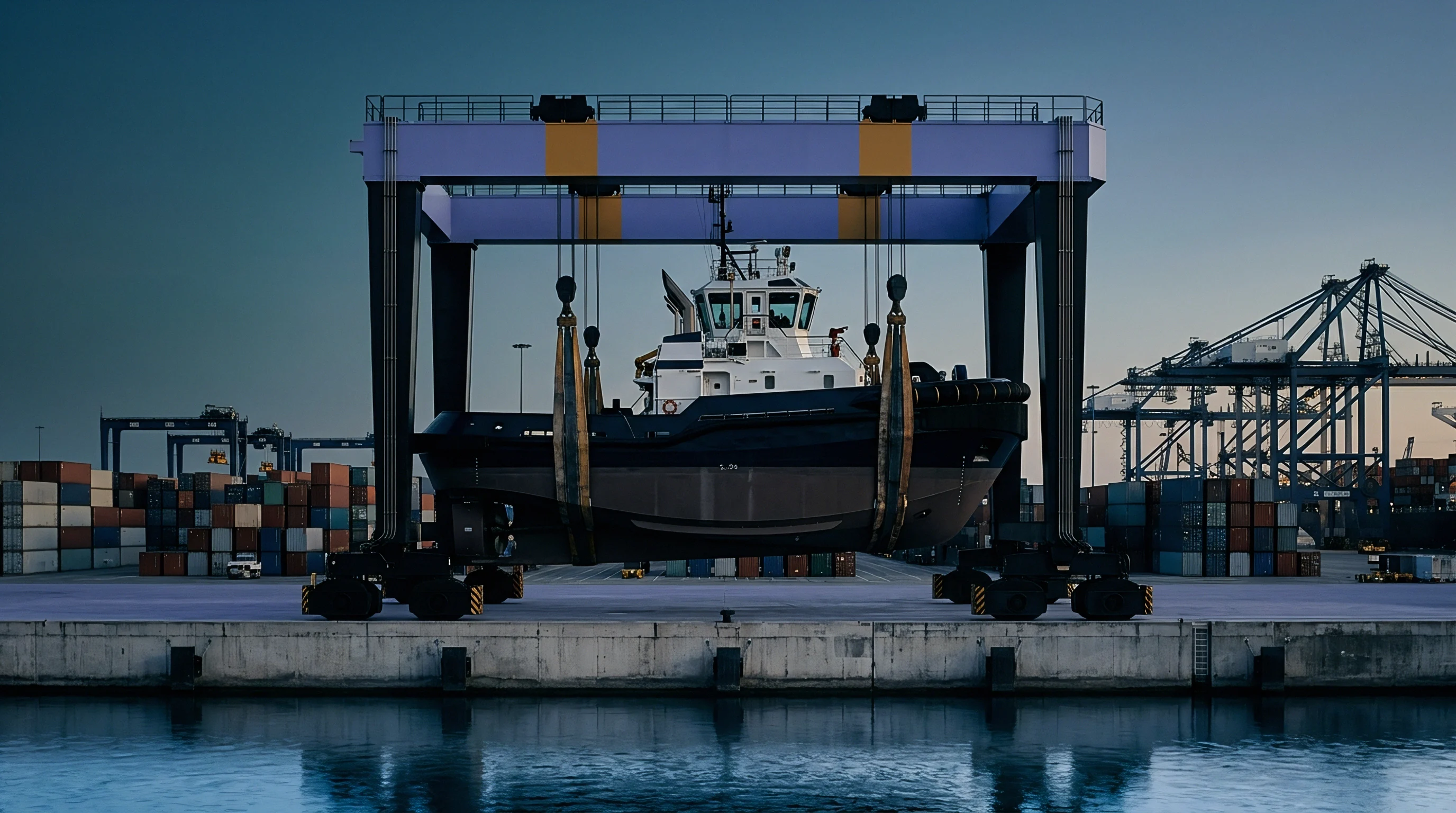
A heavy gantry crane suspends a painted steel tugboat above a concrete terminal surrounded by shipping containers at dusk.

Parameters

  • Production Capacity ~ 500,000 tons of sea salt produced annually at the Newark facility.
  • Workforce on Strike ~ 120 union members who oversee the entire extraction and packaging process.
  • Salt Pond Area ~ 12,000 acres of active evaporation ponds in the San Francisco Bay.
  • Disruption Date ~ August 11, 2026, marking the start of the plant shutdown.
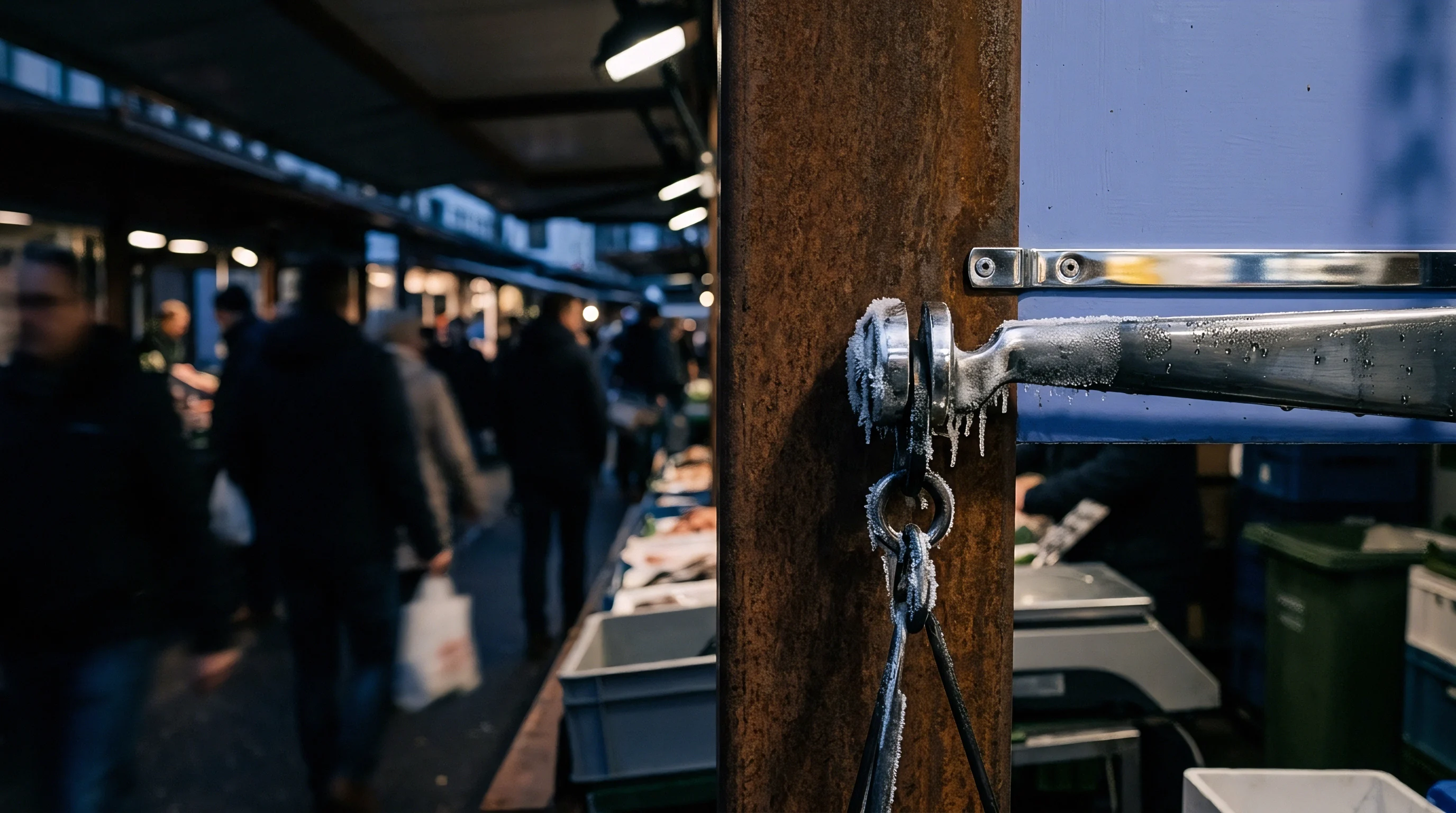
Frosted metallic hardware mounted on a weathered steel structural post dominates an outdoor wholesale distribution market during winter operations.

Outlook

Over the coming weeks, buyers should monitor contract negotiations between Local 853 and Cargill. If the strike extends into autumn, industrial food processors will have to lock in emergency contracts with inland bulk suppliers or South American importers. Sourcing teams need to track weekly regional spot prices for industrial salt and monitor dry-bulk freight rates to anticipate the impact on Q4 supply agreements.

A digital render shows a gloved hand holding a round metal laboratory sieve with a silver pen resting on the mesh screen.

Verdict

Buyers of West Coast industrial and food-grade salt should immediately line up backup supply from alternative inland or import sources to hedge against an extended regional supply freeze.

Nomenclature

Food Ingredient Procurement

Supply Management ~ Industrial food manufacturing relies on the continuous acquisition of agricultural commodities, flavorings, and texturizers to keep processing plants running.

Road Deicing Procurement

Winter Sourcing ~ Municipal purchasing programs for mineral salts secure the necessary supplies to keep transport networks open during winter storms.

Industrial Salt Supply

Volume Allocation ~ Bulk mineral distribution representing industrial salt supply governs raw material deliveries to chemical plants and winter maintenance agencies.

West Coast Logistics

Coastal Throughput ~ Supply chain networks linking transpacific marine routes to continental rail networks handle the majority of imports from manufacturing centers in Asia.

Agricultural Supply Chains

Production Flow ~ Commodity networks track the transformation of biological raw materials from harvest through processing and final distribution.

Supply Chain Disruption

Operational Shock ~ Financial exposure from freight interruption represents an unexpected stoppage in material movement that breaks scheduled procurement cycles across industrial networks.

Factory Labor Dispute

Industrial Conflict ~ Formal disagreements between management and the workforce over terms of employment often lead to disruptions in manufacturing operations.

Contract Negotiation

Bargaining Framework ~ Strategic dialogue between parties initiates the formal process of establishing terms for a commercial exchange.

Labor Risk Mitigation

Workforce Stability ~ Evaluation of workforce stability identifies potential disruptions before they impact production schedules.

Water Treatment Chemicals

Chemical Formulation ~ Soluble additives modify liquid properties to prevent corrosion, scale formation, or biological growth in industrial systems.

Food Grade Salt

Purity Specification ~ Sodium chloride compounds refined for human consumption meet strict chemical purity and foreign matter limits.

Sea Salt Sourcing

Market Origin ~ Supply chains tracking industrial minerals rely upon sea salt sourcing to secure crystalline sodium chloride harvested through solar evaporation across coastal basins.

What the firm knows, published

Expertise is a utility, not a secret. sentiention™ publishes its working knowledge as open reference: intelligence layer covering the materials it sources, the markets it enters, and the reference that serves both.