Stellantis Indefinite Warren Plant Idle Reduces Fleet Pickup Sourcing Options

Production shifts toward high-margin models increase acquisition costs for buyers needing entry-level chassis supply.
29.08.26 2 min

Briefing

Stellantis announced an indefinite production pause at its Warren Truck Assembly plant starting in October 2024. The decision halts assembly of the Ram 1500 Classic, cutting off a primary source of entry-level full-size pickups for commercial and fleet buyers. Sourcing teams face higher acquisition costs as remaining inventory shifts toward pricier current-generation models. The facility will scale down from two shifts to one, cutting up to 2,450 hourly jobs.
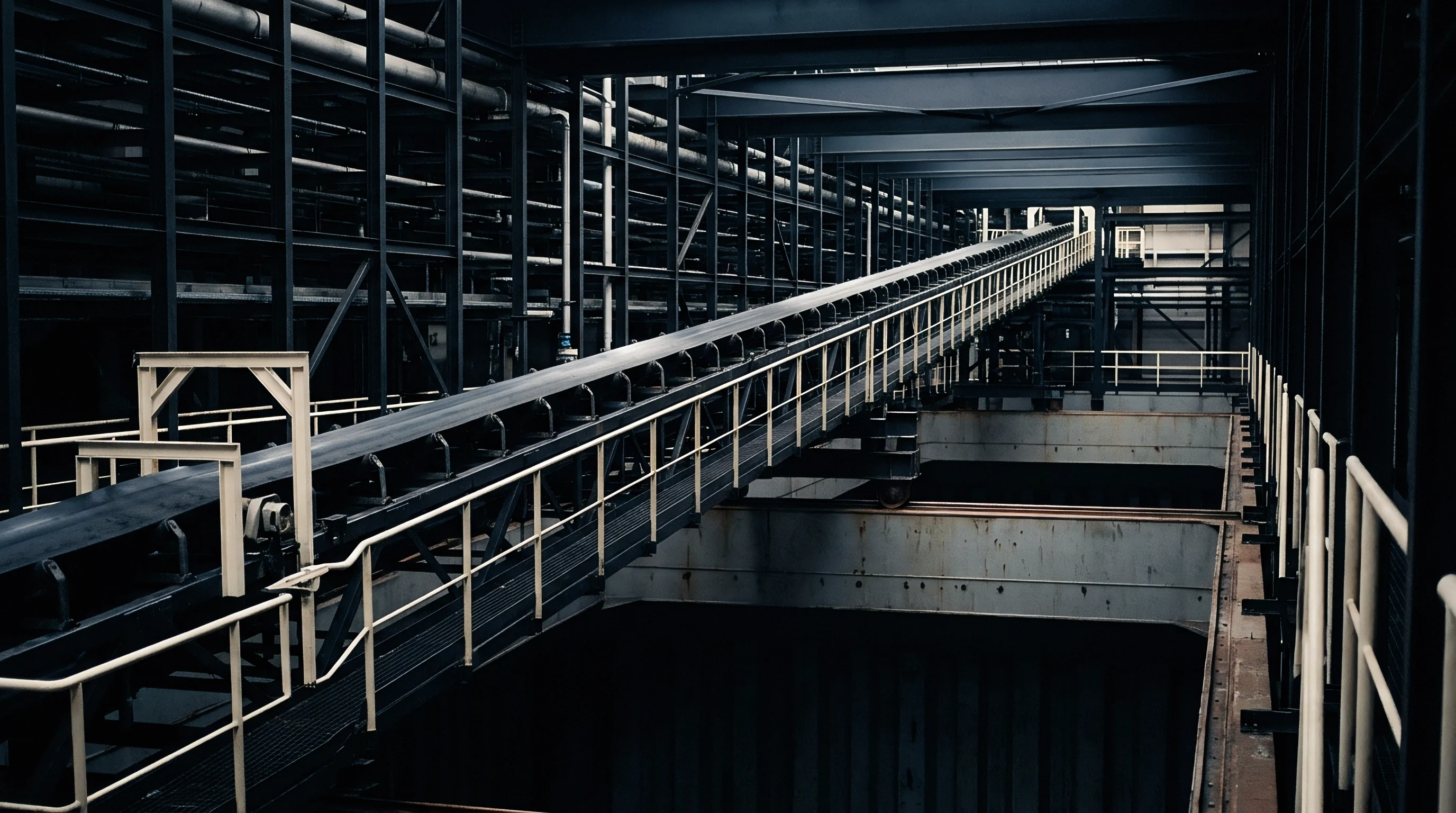
An inclined conveyor belt mechanism rises through a cavernous metallic structure surrounded by steel girders and industrial piping networks.

Context

Before this move, fleet buyers relied on older-platform models to keep capital expenditures predictable. Industry observers had assumed parallel production of the legacy chassis would continue as long as commercial demand for affordable work trucks remained strong. Buyers were watching whether automakers would maintain these secondary lines while shifting capital toward electric vehicles.
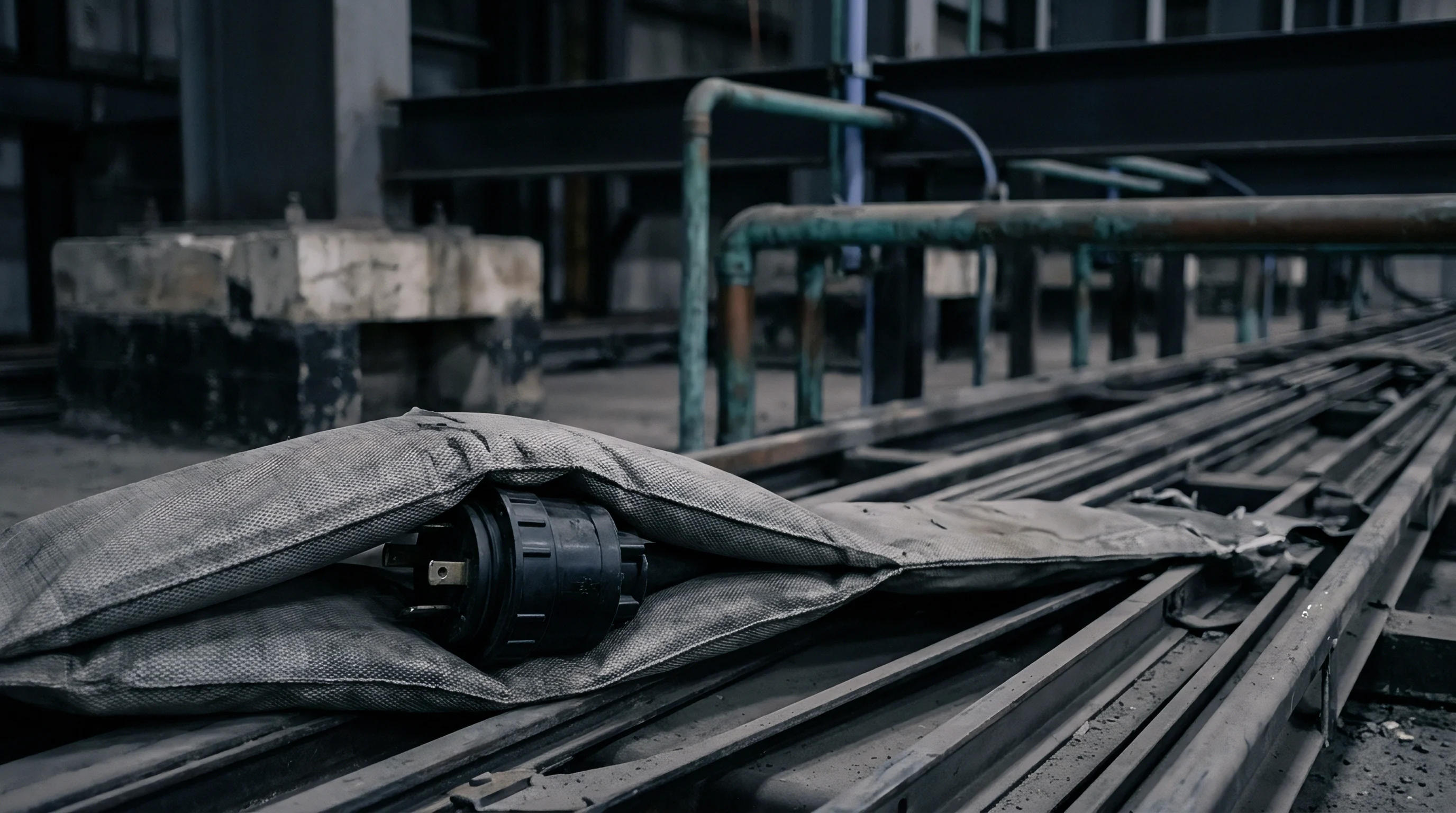
Heavy industrial electrical connector rests enclosed within durable fabric sheath positioned atop steel rail infrastructure inside manufacturing plant.

Analysis

Automakers capture higher margins by retiring the older tooling used for lower-priced trucks. With the classic chassis phased out, fleet buyers must compete for build slots on premium lines, pushing up invoice totals on models with higher baseline MSRPs. Component suppliers tied to the discontinued frame face an immediate volume hit, and regional stocks of basic work trims will drop quickly. To secure delivery dates, fleet managers will likely have to accept higher vehicle specs than originally budgeted.
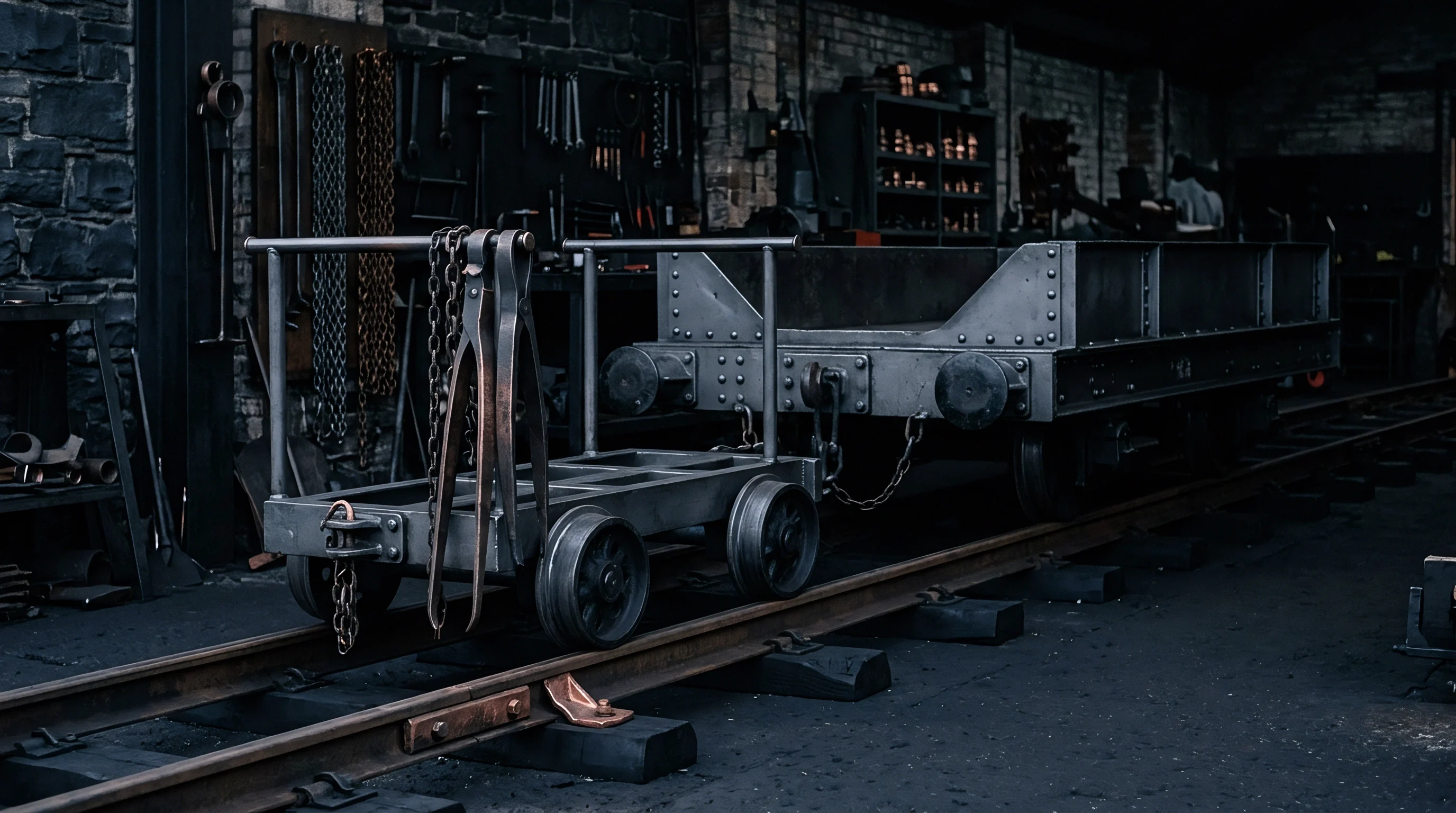
Metal flatbed and freight wagons rest on railway tracks inside a heavy industrial manufacturing plant surrounded by production tools.

Parameters

  • Effective Date ~ October 8 2024, the scheduled start of the indefinite pause.
  • Workforce Reduction ~ 2,450 workers, reflecting the headcount cut at the Michigan plant.
  • Output Change ~ Zero Ram 1500 Classic units scheduled after current component inventory clears.
Heavy metallic processing vessels, vertical piping networks, and a wooden pallet occupy the dark concrete floor of a manufacturing plant.

Outlook

Watch upcoming October production reports from Ford and General Motors. Regional supply stability depends on whether rival manufacturers keep their entry-level fleet lines running. If peers also trim legacy platforms to focus on higher-margin frames, baseline prices for standard commercial configurations will reset permanently higher across the sector.

A weathered wooden pallet with rusted metal reinforcement leans against a heavy commercial truck tire resting on coarse concrete ground.

Verdict

Expect a permanent price floor increase for fleet pickups as entry-level legacy chassis supply comes to an end.

Signal Acquired from: Stellantis

Nomenclature

Commercial Inventory

Asset Volume ~ Stockpiles of finished goods, raw materials, and work-in-progress items held by businesses represent the physical buffer between production capacity and market demand.

Labor Reductions

Workforce Adjustment ~ The planned downsizing of a company's workforce through layoffs, early retirement programs, or attrition represents a primary strategy for lowering operational overhead in response to falling revenues.

Automotive Sub-Assemblies

Manufacturing Unit ~ Manufacturing units consisting of multiple interconnected parts represent the primary method of organizing modern vehicle production.

Supplier Demand Shift

Market Realignment ~ A sudden change in the volume or type of components ordered by major manufacturers represents a significant disruption for tier-one and tier-two industrial suppliers.

Chassis Supply

Structural Base ~ Industrial steel frames designed to carry the weight of commercial vehicles and shipping containers represent the physical foundation of freight transport.

Regional Truck Availability

Capacity Index ~ The volume of dry vans, flatbeds, and refrigerated trailers ready for dispatch within a specific geographical area represents the primary metric for measuring short-term land freight capacity.

Vehicle Pricing Adjustments

Cost Optimization ~ The modification of manufacturer suggested retail prices and dealer incentives for passenger and commercial vehicles represents the primary mechanism for aligning sales volumes with factory production capacity.

Automotive Capacity

Manufacturing Potential ~ Industrial production limits define the volume of vehicles an assembly plant can construct under standard operating conditions.

Manufacturing Strategy

Production Planning ~ A comprehensive plan that outlines how a company intends to deploy its physical assets, labor force, and production technologies to meet its long-term business goals represents the core of industrial operations.

Entry-Level Platforms

Baseline Architecture ~ Standardized vehicle chassis designs provide the physical foundation for the most affordable passenger cars in an automotive lineup.

Fleet Order Cycle

Procurement Process ~ The sequential path that spans from the initial request for multiple commercial vehicles to their final delivery and deployment represents the primary scheduling mechanism for corporate transport managers.

Legacy Platform Transition

System Migration ~ The structured process of moving manufacturing operations, vehicle architectures, or software systems from older standards to modern equivalents represents a major milestone in corporate modernization.

What the firm knows, published

Expertise is a utility, not a secret. sentiention™ publishes its working knowledge as open reference: intelligence layer covering the materials it sources, the markets it enters, and the reference that serves both.