Venator Closes Its German Plant Squeezing Specialty Chemical Buyers

Venator permanently closes its Uerdingen specialty TiO2 plant, tightening chemical supply for European coatings and plastics buyers.
31.08.26 2 min

Briefing

Venator has permanently closed its titanium dioxide production facility in Uerdingen, Germany, forcing European coatings and plastics buyers to secure alternative chemical supplies. Procurement teams now face the loss of this domestic specialty capacity as the region manages longer-term asset restructuring. While alternative producers and imports buffer immediate deficits, losing a major regional supplier of specialized grades complicates central European lead times and logistics. In total, the shutdown removes 107,000 metric tons of annual titanium dioxide capacity.
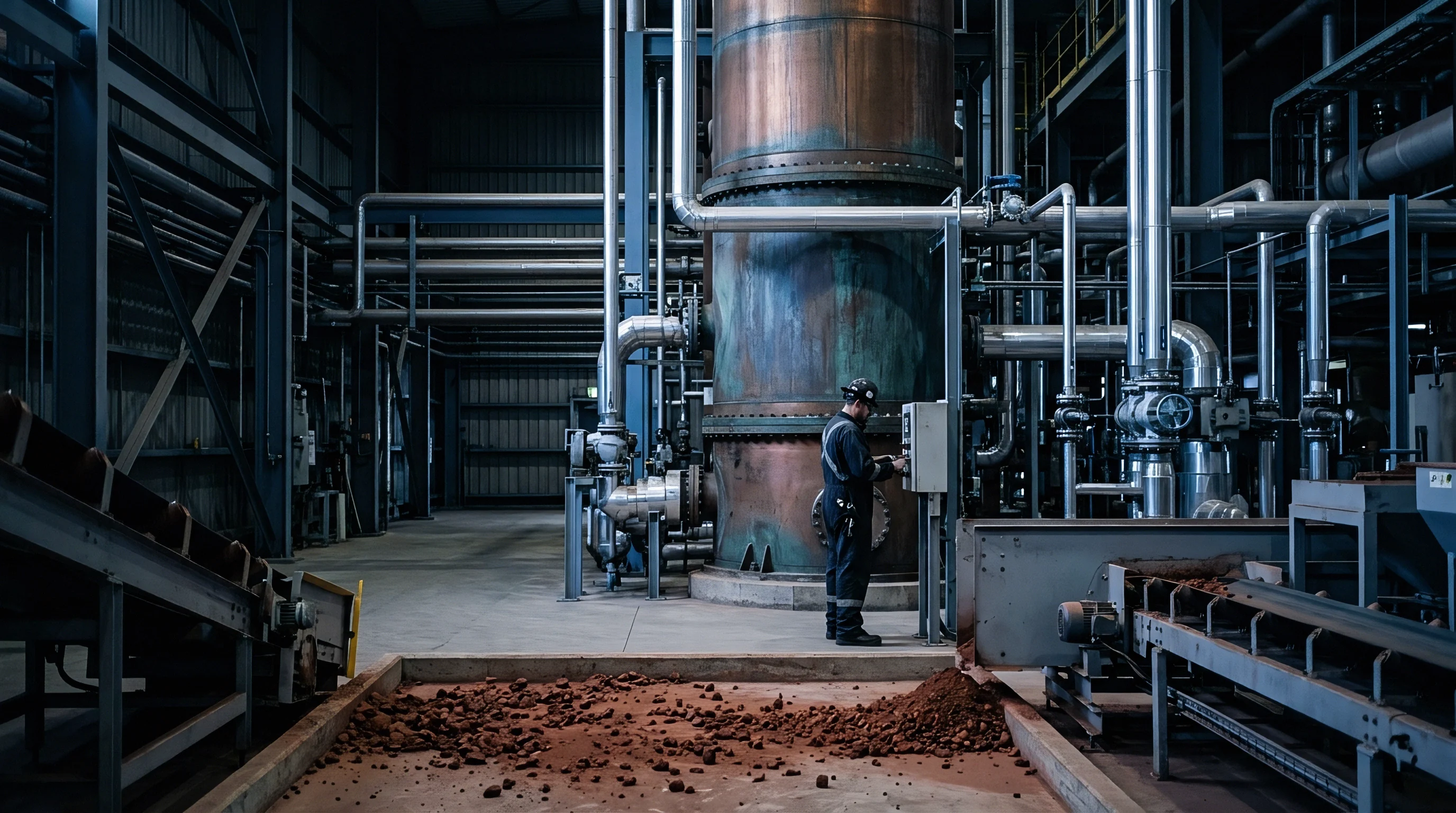
Operators monitor heavy industrial processing machinery within a mineral extraction facility handling raw earth materials through complex steel pipelines.

Context

Industrial procurement desks were already watching the financial strain among regional chemical producers, waiting to see if the idle plant would find a buyer. Sourcing managers had largely expected a turnaround or an acquisition by an international investor to bring the lines back online. This shutdown ends that expectation, underscoring broader shifts away from reliance on local European commodity chemical manufacturing.
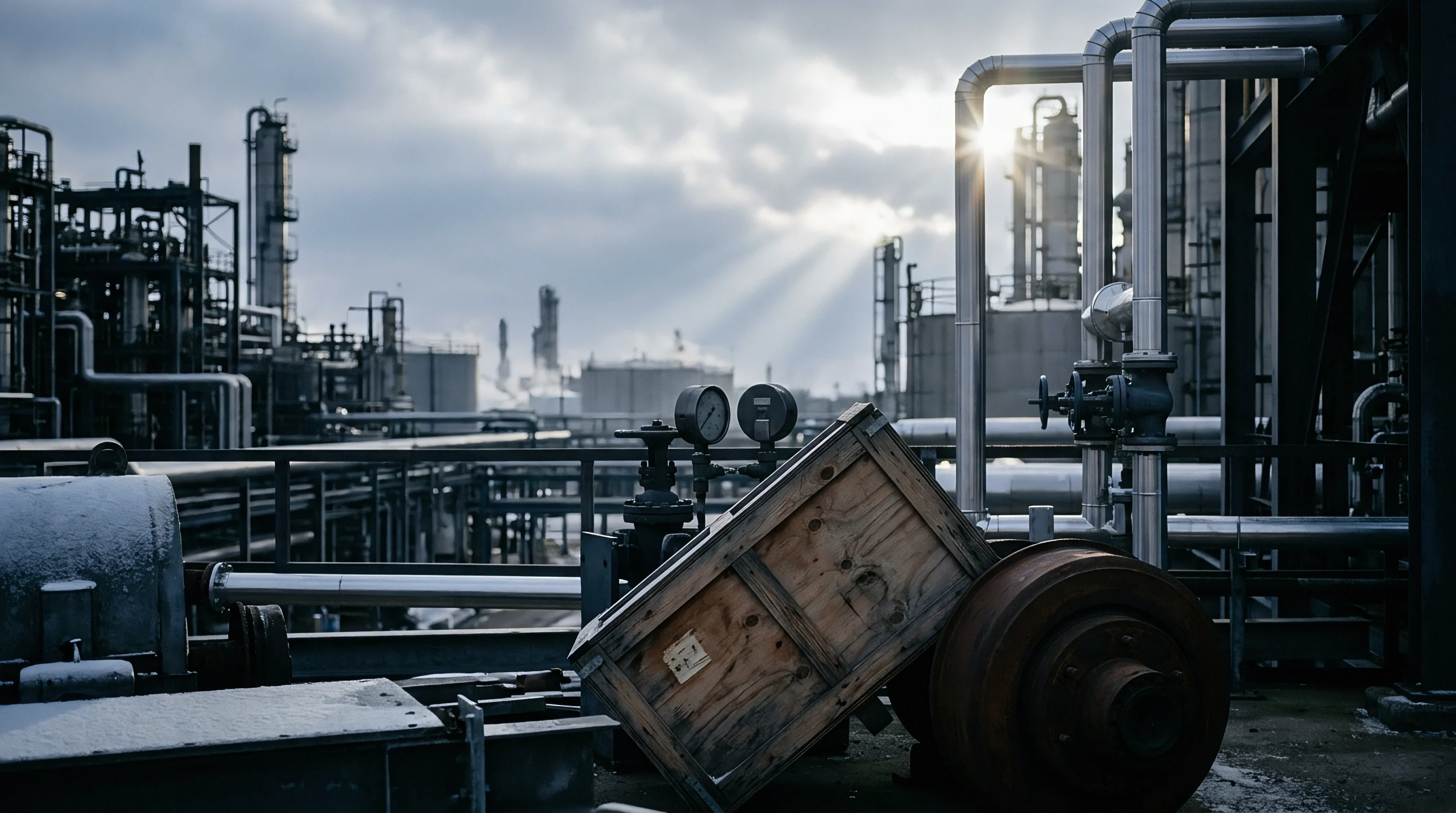
A wooden shipping crate and heavy machinery components sit outdoors among industrial piping and storage tanks under an overcast sky.

Analysis

The closure follows failed acquisition talks with an Asian investor, leaving the facility with no pathway to resume operations. The impact moves straight to buyer order books, requiring specialty pigments for high-performance coatings and industrial plastics to be sourced elsewhere. Volume that previously moved short distances by regional rail must now travel farther from alternative plants or ocean ports, raising transit risk and freight costs. While mass-market titanium dioxide remains widely available , specialized grades from this plant will see local tightness as alternative producers work to fill the void.
White polymer pellets scatter on the metallic hatches of bulk cargo tank cars parked inside an industrial distribution terminal.

Parameters

  • Annual production capacity ~ 107,000 metric tons of titanium dioxide permanently removed from the European market.
  • Closure timing ~ Operations ceased permanently by the end of May 2026.
  • Initial idling date ~ September 2025 marked the start of the plant suspension before the final closure decision.
Heavy industrial electrical connector rests enclosed within durable fabric sheath positioned atop steel rail infrastructure inside manufacturing plant.

Outlook

Sourcing teams should monitor European import volumes and supplier lead times over the coming quarters. In particular, buyers need to track restart progress at facilities in Spain and the United Kingdom, which offer the closest regional capacity to offset the deficit. Upcoming contract negotiations will reflect these constraints, with alternative suppliers likely seeking price premiums on specialty grades.
Cardboard packages move along intersecting industrial conveyor belts inside a heavy manufacturing plant with overhead machinery.

Verdict

Buyers of specialty-grade titanium dioxide must immediately qualify alternative non-European and regional suppliers to protect production lines from local supply disruptions and extended transport lead times.

Signal Acquired from: ICIS

Nomenclature

Raw Material Volatility

Procurement Risk ~ Commodity price fluctuations characterize raw material volatility through the rapid movement of spot market valuations over defined temporal windows.

Asset Restructuring

Reallocation Scope ~ Corporate financial reorganizations involving the sale, closure, or strategic re-assignment of physical production facilities realign capital allocation with underlying demand shifts.

Risk Mitigation

Threat Abatement ~ Proactive loss prevention strategy reduces the impact of potential disruptions on the movement of goods and the stability of the business.

Industrial Plastics Supply

Procurement Specification ~ Commodity plastic resin pellets and sheets represent the core materials required for large scale manufacturing and construction output.

Specialty Chemicals

Performance Product ~ Highly formulated chemical substances are manufactured in low volumes to meet specific performance requirements for downstream industrial applications.

Coatings Value Chains

Material Progression ~ Industrial production sequences connecting raw chemical precursors to formulated protective liquid or powder surface treatments establish the commercial flow of functional coatings.

European Polymer Manufacturing

Industrial Output ~ Chemical synthesis within the member states of the European Union produces primary plastic resins for industrial and consumer consumption.

Titanium Dioxide Sourcing

Supply Route ~ Procuring chemical feedstock involves securing physical delivery pathways from calcination facilities to pigment processing plants across global shipping lanes.

Chemical Procurement

Supply Acquisition ~ Sourcing industrial raw materials requires identifying verified manufacturers while managing strict technical specifications and safety documentation.

Capacity Reduction

Operational Metric ~ Permanent withdrawal of active industrial processing units from commercial service during periods of structural demand contraction.

What the firm knows, published

Expertise is a utility, not a secret. sentiention™ publishes its working knowledge as open reference: intelligence layer covering the materials it sources, the markets it enters, and the reference that serves both.