New EU PPE Standards Limit Import Options for Industrial Safety Gear

Buyers of personal protective equipment must audit suppliers to ensure new imports comply with updated EU safety standards.
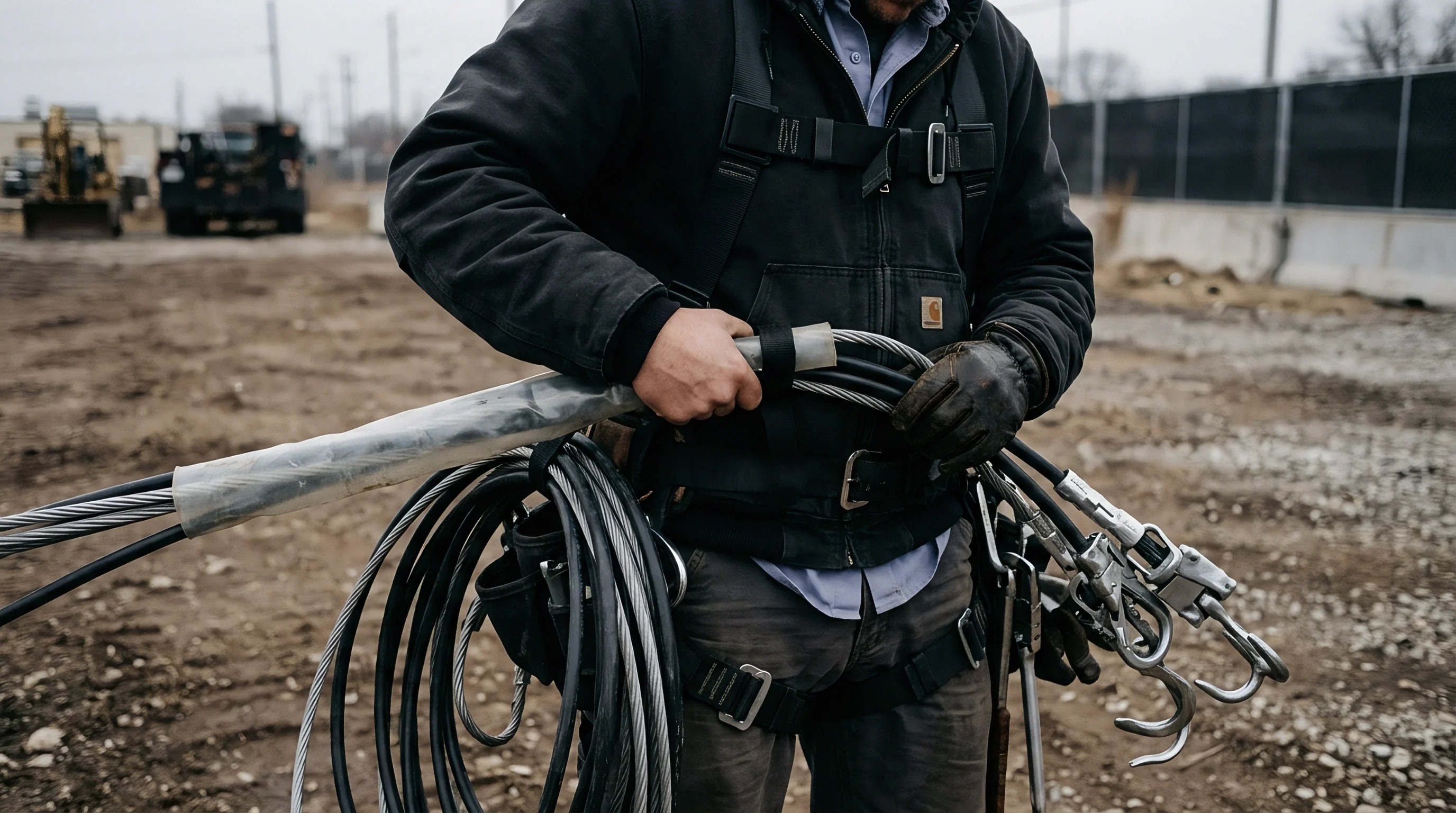

30.08.26 2 min

Briefing

Commission Implementing Decision (EU) 2025/286 is now fully in force, effectively banning imports of older personal protective equipment into the European Union. Procurement teams must verify that all incoming safety gear, including hearing protection and sit harnesses, conforms to the active harmonized standards. Manufacturers need to update their technical files and declarations of conformity to avoid rejections at the border.

The change directly affects 5 major categories of industrial safety equipment.
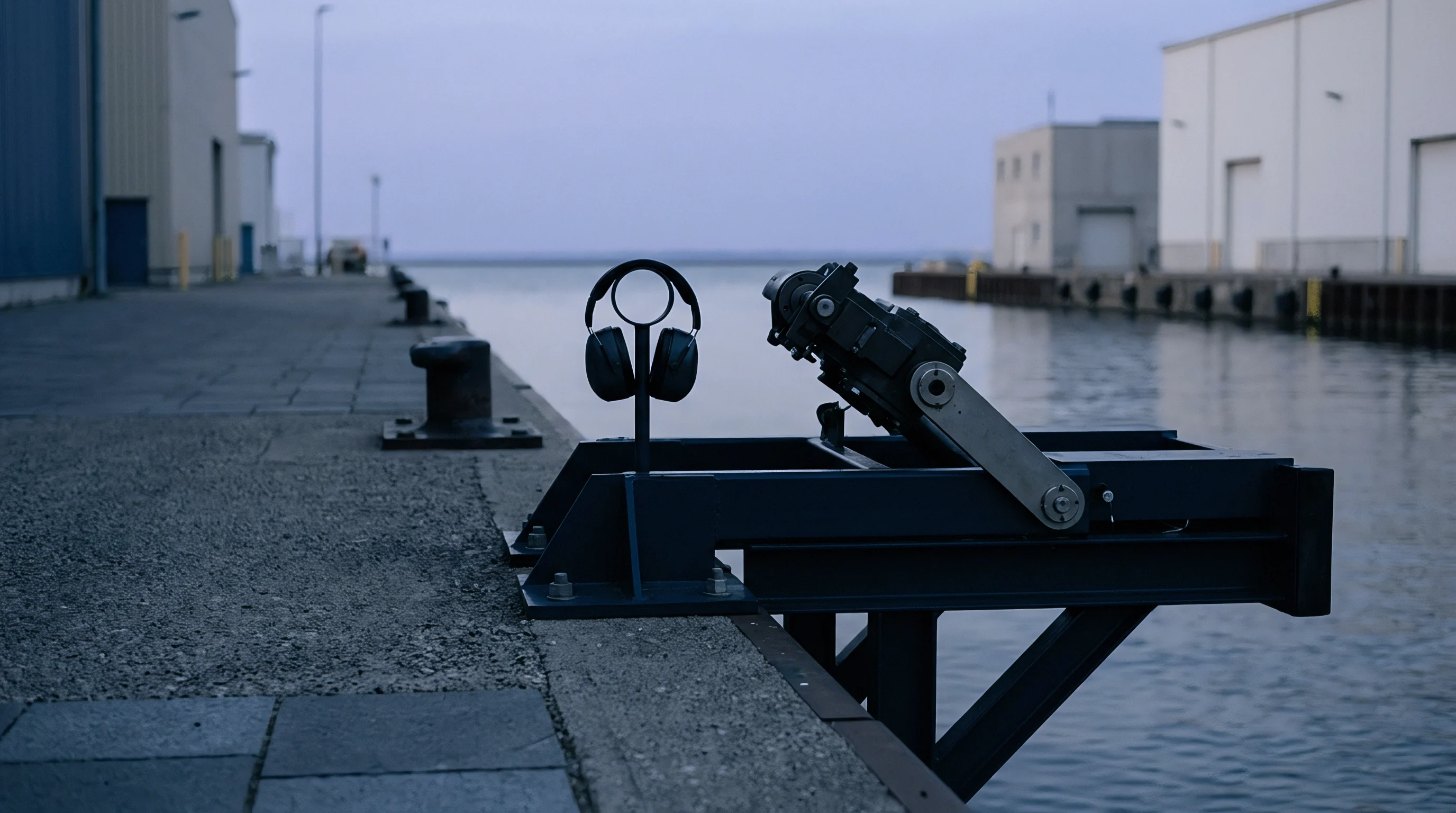
Protective earmuffs rest on a metal stand beside a specialized monitoring instrument mounted on a concrete dock along an industrial waterway.

Context

Sourcing departments had expected a longer grace period to exhaust existing factory stockpiles of industrial earmuffs and harnesses. The main uncertainty for buyers was whether EU customs officers would strictly block non-compliant shipments at entry or allow a soft transition for goods produced before the deadline.

Protective gloved hand touches layered industrial material panels covered with fine particulate residue inside a matte production frame.

Analysis

The European Commission updated these standards to integrate features like Bluetooth and active voice communication into safety protocols. Withdrawing the older standards removes the presumption of conformity for legacy designs. Sourcing older stock now requires individual manual safety assessments rather than a standard certificate.

That additional verification raises testing costs at manufacturing hubs, which suppliers are passing along through higher unit prices and longer lead times as testing labs process the backlog.

A logistics worker sitting on wooden pallets adjusts heavy leather safety footwear inside an industrial warehouse environment.

Parameters

  • Enforcement Date ~ August 14, 2026, the deadline after which older personal protective equipment standards were withdrawn.
  • EU Regulation 2016/425 ~ The overarching European personal protective equipment regulation that dictates conformity requirements.
  • Affected Standards ~ Five specific harmonized standards for earmuffs, earplugs, and sit harnesses that lose their presumption of conformity.

An orange safety cone rests beside modular white architectural models on a stainless steel industrial workstation near a window.

Outlook

Buyers should anticipate delays at European ports as customs officials check conformity certificates against the updated database. Sourcing managers should track the EU Safety Gate portal for an increase in product rejection notices over the coming quarter, which will show how strictly border authorities are enforcing the regulations.

Industrial technicians examine heavy electrical cables and suspension insulators along concrete walkways inside an outdoor utility substation yard.

Verdict

All future purchase orders for European personal protective equipment imports must mandate compliance with the updated EN 352 and EN 813:2024 standards to avoid border rejections.

Signal Acquired from: European Union EUR-Lex

Nomenclature

Earmuff Compliance

Auditory Standard ~ Auditory safety standards require the consistent deployment of hearing protection devices in manufacturing environments where noise exposure exceeds permissible limits.

Hearing Protection Standards

Safety Regulation ~ Occupational safety regulations define the permissible levels of noise exposure and the performance requirements of devices used to prevent auditory damage in industrial environments.

Sit Harnesses

Safety Equipment ~ Personal protective devices designed to secure a worker around the waist and thighs are used for fall prevention and work positioning in elevated environments.

Personal Protective Equipment

Protective Inventory ~ Garments and devices intended to mitigate worker exposure to physical, chemical, or biological hazards constitute personal protective equipment.

Protective Apparel Contracts

Supply Agreement ~ Commercial accords that govern the procurement and delivery of specialized safety garments protect workers from hazardous industrial environments.

Technical Documentation Requirements

Compliance Mandate ~ Technical documentation requirements establish the exact contractual parameters for manufacturing specifications and product verifications across global trade agreements.

Industrial Safety Procurement

Operational Scope ~ Acquisition governance for protective equipment controls physical risk across heavy manufacturing operations.

Fall Protection Harnesses

Safety Equipment ~ Body-holding devices designed to distribute deceleration forces across the pelvis and shoulders prevent fatalities during a drop from height.

EU Safety Standards

Mandatory Framework ~ Harmonized technical specifications and legal directives govern the design and operation of industrial equipment within the European Economic Area.

Supplier Compliance Audit

Verification Protocol ~ Systematic assessment of third party operational data ensures adherence to established contractual and regulatory obligations.

Conformity Assessment

Verification Protocol ~ The formal validation process known as conformity assessment establishes whether a product, service, or system meets specified technical requirements.

What the firm knows, published

Expertise is a utility, not a secret. sentiention™ publishes its working knowledge as open reference: intelligence layer covering the materials it sources, the markets it enters, and the reference that serves both.