Record Port Congestion Strands Cargo and Drives Ocean Freight Rates Up

Record delays tie up 4.3 million TEUs of shipping capacity, raising contract and spot rates for global buyers.
27.08.26 2 min

Briefing

Global port congestion has tied up a record 4.3 million TEUs in idle vessel capacity, taking 12.6 percent of the global container fleet out of active circulation and pushing freight rates higher. For procurement teams, the resulting squeeze limits space on vessels, introduces spot shortages, and adds days to transit times across major East-to-West lanes. Carriers are already stepping up port omissions to bypass the most congested terminals.
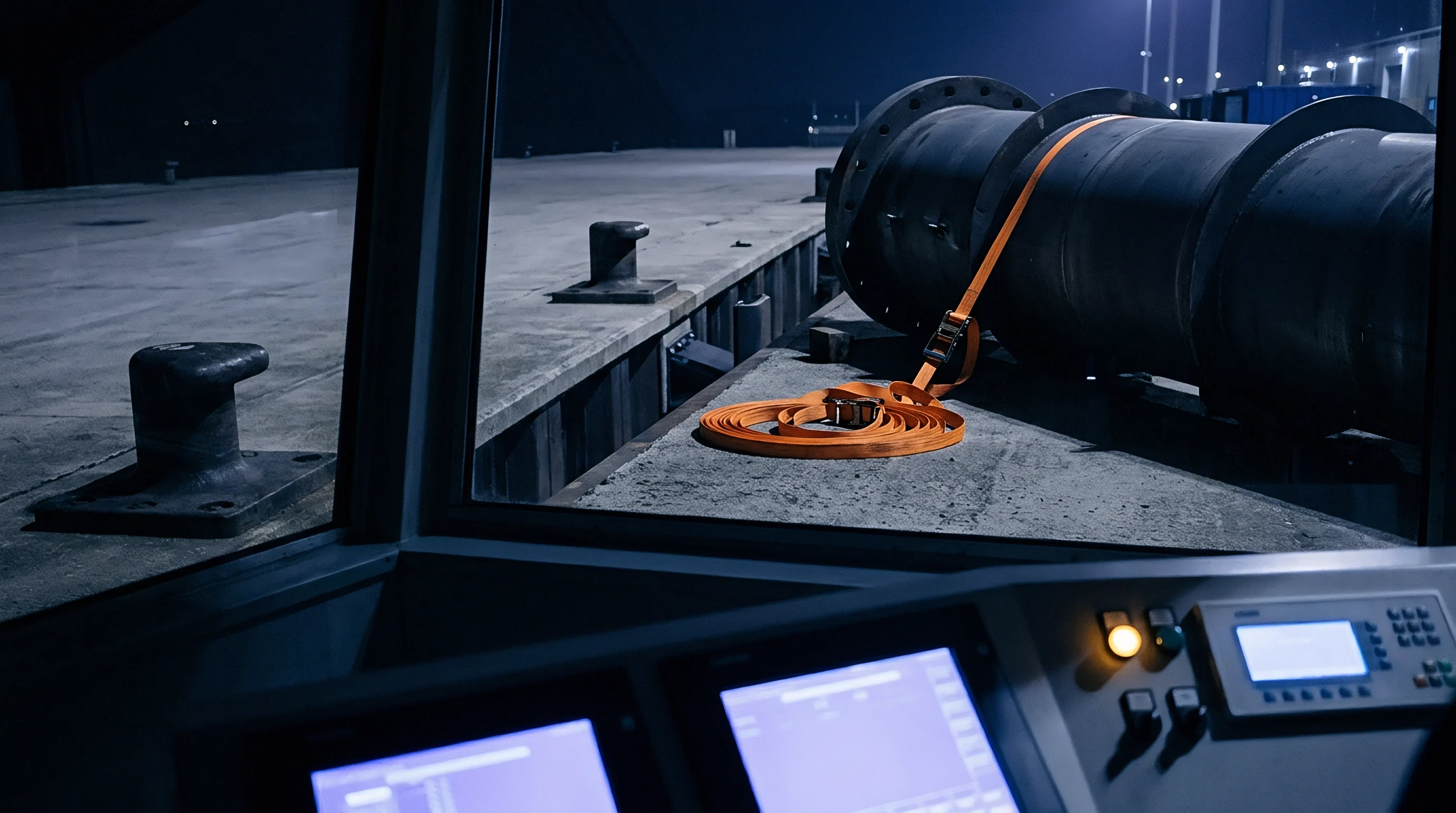
Heavy cylindrical cargo rests on a concrete port terminal visible through the illuminated control console of a maritime facility.

Context

Before this run-up, freight markets were braced for a heavy influx of newly built container tonnage. Sourcing teams expected those deliveries to generate structural overcapacity, keeping rates low and carrier options flexible. The prevailing question was simply whether carrier blank sailing programs would prove sufficient to support rate levels during the seasonal lull.
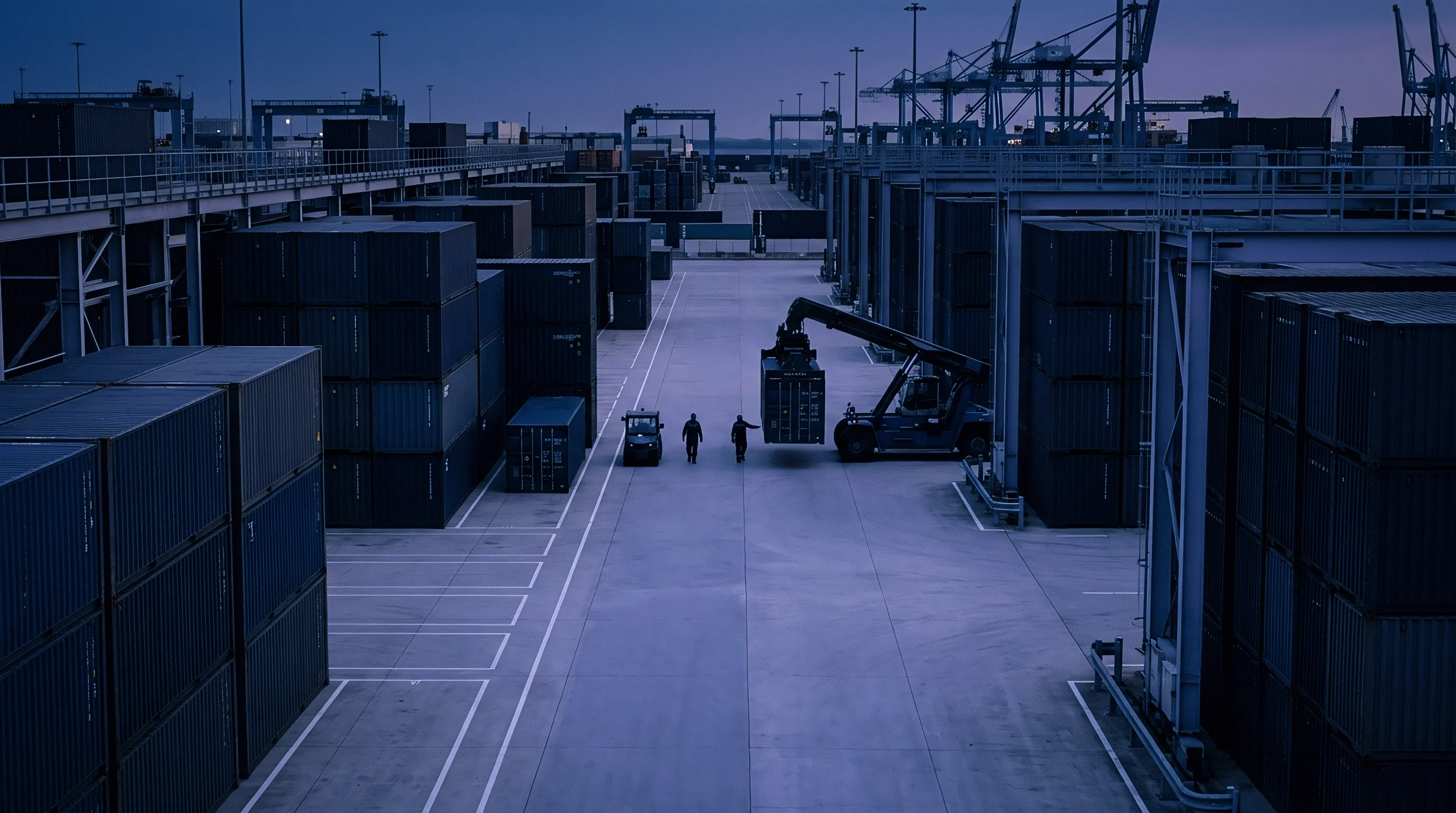
Intermodal shipping containers fill the illuminated freight terminal yard as a heavy reach stacker positions cargo between structural bays.

Analysis

Successive typhoons across East Asia forced temporary shutdowns at key hubs like Shanghai and Ningbo, building up long queues of waiting ships. When berths reopened, vessels arrived in dense clusters, overwhelming yard operations and stranding tonnage offshore. That disruption carried downstream into European and American destination ports, where delayed arrivals missed their assigned working windows.

For shippers, cargo leaving origins on schedule still faces vessel delays at anchor, stretching end-to-end lead times and triggering peak season freight surcharges.
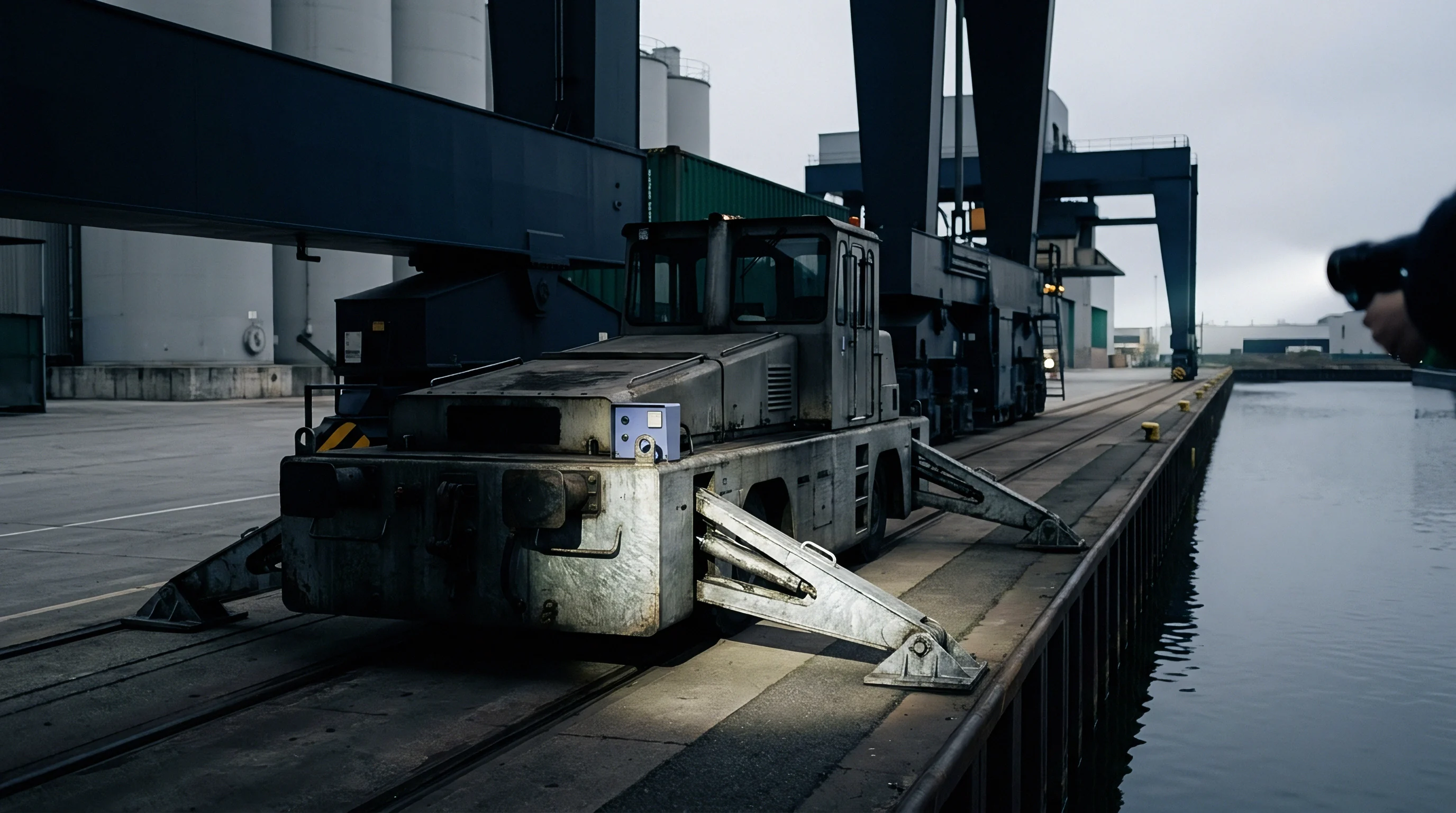
A heavy industrial rail shunting vehicle rests on tracks beside a concrete quay wall and an urban waterway at a freight terminal.

Parameters

  • Stranded Container Capacity ~ 4.3 million TEUs currently waiting at anchor globally.
  • Share of Global Fleet ~ 12.6 percent of total global container ship capacity is currently tied up in congestion.
  • Shanghai Wait Times ~ 6 to 11 days of waiting time for vessels to secure a berth.
  • Transatlantic Schedule Reliability ~ Under 50 percent for much of the year, dipping to 28 percent for July arrivals from North Europe to the US East Coast.

A person in a white linen shirt rests bare arms on a dark metal shuttered barrier inside an industrial facility.

Outlook

Elevated freight rates and restricted vessel space will likely persist through the third quarter while terminals clear the backlog of off-schedule arrivals. The next inflection point arrives in September, when major ocean alliances announce their winter blanking programs. In the interim, procurement teams should track the weekly Shanghai Containerized Freight Index to monitor whether carrier congestion surcharges stick or if spot rate pressure begins to ease.
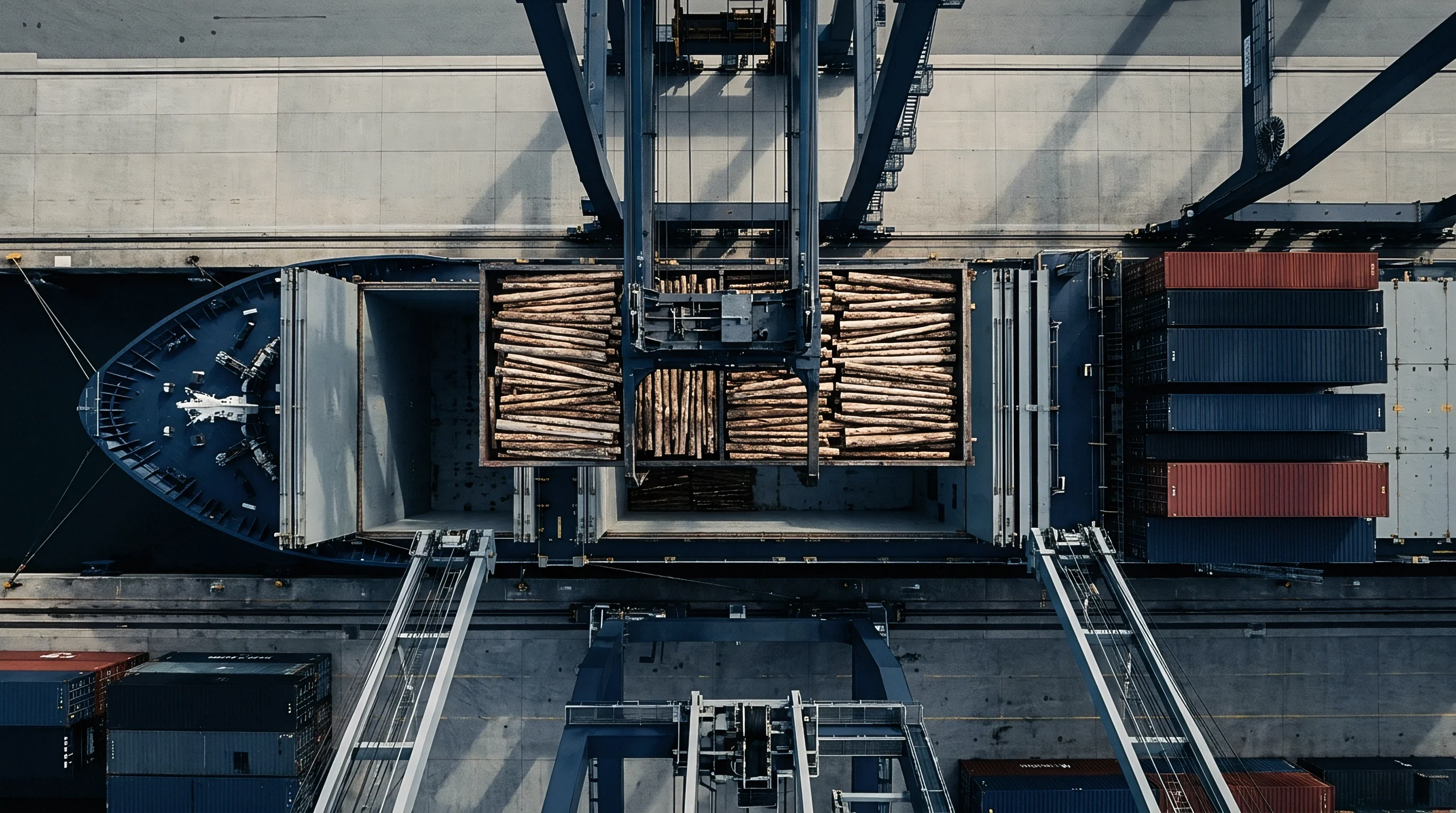
A gantry crane suspends bundles of raw timber logs above an open cargo hold of a bulk carrier docked at a concrete terminal.

Verdict

Secure vessel space immediately and add a ten-day buffer to lead times on all incoming East Asian shipments to protect inventory from ocean bottlenecks.

Signal Acquired from: The Maritime Executive

Nomenclature

Transit Delays

Schedule Variance ~ Deviations between planned transportation timetables and actual shipment arrival times measure operational friction across international freight networks and domestic distribution corridors.

Schedule Reliability

Arrival Consistency ~ Periodic transport evaluation quantifies the variance between predetermined port arrival windows and actual vessel berthing times across oceanic freight routes to measure network stability.

Supply Chain Risk

Vulnerability Assessment ~ Procurement disruption probabilities describe the likelihood of external events damaging the continuity of material flows through global logistics networks.

Port Congestion

Systemic Bottleneck ~ Marine transit interruption occurs when vessel arrival volume exceeds the capacity of terminal infrastructure to process cargo, leading to extended wait times at anchorage or within berths.

Charter Markets

Operating Structure ~ Commercial mechanisms for hiring maritime tonnage match available vessel capacity with cargo movements across international waters under specialized contract terms.

Harbor Wait Times

Anchorage Duration ~ Port performance tracking measures the inactive duration that merchant cargo vessels spend anchored outside designated port waters prior to securing a commercial berthing slot.

Vessel Capacity

Fleet Metric ~ The total physical volume and weight of cargo that a merchant ship can legally and safely carry is measured in twenty-foot equivalent units or deadweight tonnage.

Container Shipping

Freight Methodology ~ Standardized modular transport utilizes intermodal metal units to move goods across global trade routes.

Ocean Freight Rates

Market Pricing ~ Base cargo transportation costs constitute a dynamic valuation metric determined by the available vessel capacity and the total volume of goods awaiting international transit between major maritime hubs.

Marine Terminal Operations

Operational Cadence ~ Handling containerized freight through a physical waterfront gateway constitutes the structural core of marine terminal operations.

Ocean Route Disruptions

Navigational Deviation ~ Unscheduled operational interruptions along primary maritime shipping corridors force merchant vessels to alter planned voyages, delay port arrivals or reroute around geographic chokepoints.

Blank Sailings

Service Withdrawal ~ The intentional cancellation of scheduled ocean transport services allows carriers to manage vessel capacity and stabilize freight rates during periods of low demand.

What the firm knows, published

Expertise is a utility, not a secret. sentiention™ publishes its working knowledge as open reference: intelligence layer covering the materials it sources, the markets it enters, and the reference that serves both.