India Implements Mandatory Aluminum Quality Certification Restricting Available Global Supply

India enforces quality standards for aluminum imports requiring supply chain desks to verify mill certification prior to order.


30.08.26 2 min

Briefing

The Indian government has introduced mandatory certification for aluminum and aluminum alloy products through the Bureau of Indian Standards. The order requires buyers to verify that foreign upstream suppliers hold active licenses before shipments reach customs. Material arriving without the necessary certification faces port rejection, cutting non-compliant international producers out of a market that absorbs approximately 2.3 million metric tons of aluminum annually.

A gloved technician examines a heavy duty forged steel lifting hook with a magnifying lens inside a controlled environment testing lab.

Context

Procurement desks previously relied on global price indices to source aluminum based strictly on cost, watching the Quality Control Order schedule while anticipating potential enforcement delays. The hard deadline forces a shift toward verified mills that already maintain regulatory ties with Indian authorities.

Two technicians operate a coordinate measuring machine to inspect machined metal components within a controlled industrial environment during production quality assurance protocols.

Analysis

Mandatory testing creates a sharp bottleneck at the border. Foreign suppliers must undergo physical site inspections by Indian officials, with license lead times frequently exceeding six months. This concentrates available supply among a narrow circle of approved vendors. Local prices are likely to decouple from global benchmarks as domestic demand competes for a restricted volume of certified metal, making compliance capacity the primary driver of inventory availability.
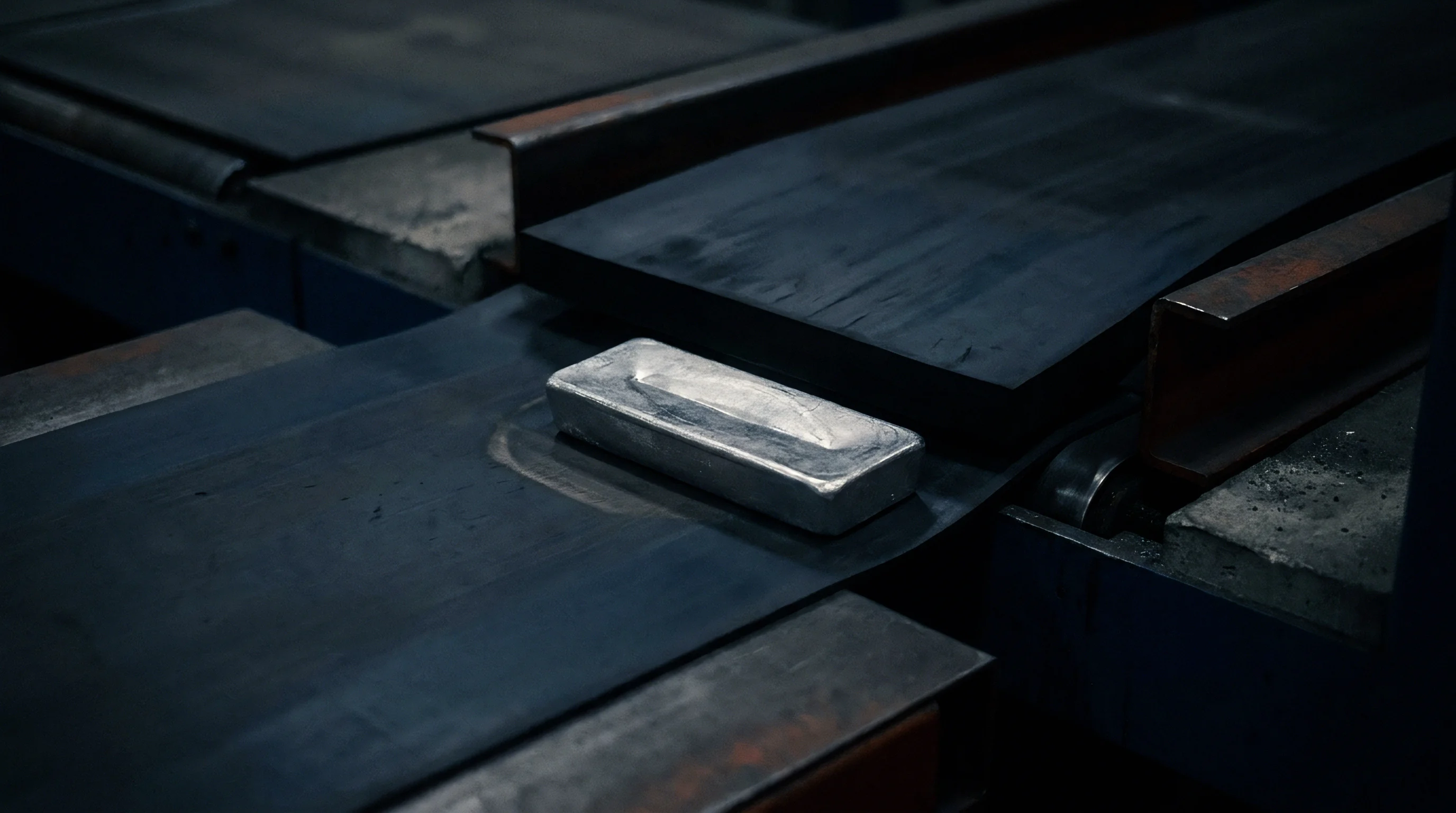
A rectangular metal ingot sits on a dark moving conveyor belt within a heavy manufacturing facility.

Parameters

  • Implementation Date ~ August 31 2024 for the expanded enforcement across primary and secondary aluminum categories.
  • Affected Volume ~ 2.3 million metric tons of annual imported aluminum subject to new oversight.
  • Compliance Marker ~ Bureau of Indian Standards mark mandatory on all physical material and documentation.
  • Source Dependency ~ All items must originate from a mill with an active foreign manufacturers certification scheme license.

Precision mechanical assemblies and raw material swatches are arranged on a painted wooden workbench for industrial sourcing evaluation.

Outlook

Inventory levels now hinge on how many foreign producers gain listing on the official portal. If the count of certified mills in Southeast Asia and the Middle East remains flat through October, domestic premiums will face upward pressure. The spread between London Metal Exchange benchmarks and Indian landed costs will reflect the actual scarcity premium for certified material.

A digital render features brushed aluminum load cells and modular hardware panels arranged neatly on a metal grid assembly station.

Verdict

Supply chain managers must audit international aluminum vendors for Bureau of Indian Standards compliance immediately to prevent container rejections at Indian ports.

Signal Acquired from: Indian Ministry of Mines

Nomenclature

Secondary Aluminum Alloys

Metallic Source ~ Reclaimed metal recovered from post-industrial and post-consumer scrap constitutes the raw feedstock for secondary aluminum alloys.

Bureau of Indian Standards

Statutory Authority ~ National bodies establish technical regulations to ensure the safety and reliability of products entering a domestic market.

Upstream Material Certification

Primary Verification ~ Upstream material certification functions as a formal documentary guarantee that raw inputs entering a production cycle meet designated environmental, social, or technical criteria before processing begins.

Metal Supply Disruption

Market Interruption ~ Sudden breaks in the availability of raw ores or refined ingots create immediate imbalances in industrial production schedules.

Aluminum Quality Standards

Material Specification ~ Engineering benchmarks define the chemical composition and physical properties required for metallic consistency across industrial applications.

Import Licensing

Permit Scope ~ Administrative control limits foreign currency allocation and physical clearance for restricted merchandise entering a customs territory through import licensing.

Trade Technical Barriers

Regulatory Compliance ~ Non-tariff measures function as government mandates that dictate the design, production, and labeling of goods destined for export or import.

Non Ferrous Metals

Material Category ~ Metallic elements and refined alloys containing no iron in significant structural proportions provide critical corrosion resistance and electrical conductivity across modern industrial applications.

Manufacturing Compliance

Operational Mandate ~ Factory adherence refers to the documented verification of statutory and contractual obligations governing production floors and assembly lines.

India Trade Policy

Legislative framework ~ Sovereign legal instruments dictate the movement of goods and capital across international borders through this india trade policy.

Primary Aluminum Sourcing

Smelter Feed Selection ~ Metallic output derived from the electrolysis of alumina relies on the provenance of raw material inputs to define its environmental and technical footprint.

Aluminum Certification

Compliance Verification ~ Documentation confirming that a metal shipment meets specified chemical and physical requirements forms the basis of industrial procurement.

What the firm knows, published

Expertise is a utility, not a secret. sentiention™ publishes its working knowledge as open reference: intelligence layer covering the materials it sources, the markets it enters, and the reference that serves both.