Lower Chlor-Alkali Production Rates Drive European Caustic Soda Price Hikes

European caustic soda prices are rising as manufacturers reduce utilization rates to balance inventory with chlorine demand.

29.08.26 2 min

Briefing

Major European chemical producers are pushing through steep price hikes on caustic soda as low run rates across chlor-alkali plants squeeze supply. Because chlorine is caustic soda’s co-product, weak chlorine demand has forced manufacturers to curb output across the region rather than build unmanageable gas inventories. Buyers face higher contract offers for upcoming delivery cycles as stocks dwindle among producers and distributors, with spot price assessments climbing to 600 euros per dry metric ton.
A high precision digital render shows a modular robotic production cell elevated above an industrial sorting framework in a dark warehouse environment.

Context

Procurement desks had largely expected the caustic soda market to stay oversupplied through the second half of the year, given weak construction demand for chlorine derivatives like PVC. Buyers were watching to see if lower European energy prices might yield deeper discounts on feedstocks. The main uncertainty was whether output cuts would outpace sluggish uptake across the pulp and paper sectors.
Polymer beads and layered insulation panels rest on a concrete warehouse floor beside industrial steel framing during raw material sorting.

Analysis

Caustic soda and chlorine share a fixed stoichiometric ratio: every ton of chlorine generated yields roughly 1.1 tons of caustic soda. When chlorine off-take drops, producers must throttle back their electrolysis units, cutting caustic soda output in tandem. The driver behind the current squeeze is a prolonged downturn in PVC manufacturing, a major chlorine consumer. With storage tanks filling up, producers have dialed operating rates down to roughly 60 percent. Sellers are now pushing for wider margins on smaller caustic soda volumes to compensate for subdued plant throughput, lifting costs for paper, soap, and aluminum processing chemicals.
A human hand indicates a tiny white sphere positioned precisely within the links of a heavy industrial steel chain resting on a concrete floor.

Parameters

  • Spot Price Level ~ 600 euros per dry metric ton represents the current upper end of the European spot market.
  • Utilization Rate ~ 60 percent is the approximate average operating capacity of European chlor-alkali facilities during this cycle.
  • Co-product Ratio ~ 1.1 tons of caustic soda are produced for every 1.0 ton of chlorine gas generated in the process.

Precision mechanical assemblies and raw material swatches are arranged on a painted wooden workbench for industrial sourcing evaluation.

Outlook

Contract talks opening in September will be the immediate focus for buyers. If producers succeed with this initial round of increases, they may push for another before winter heating demand sets in. The key signal remains PVC operating rates: if demand stays depressed, caustic soda availability will remain constrained, whereas a recovery in PVC would loosen caustic supply and help stabilize prices.
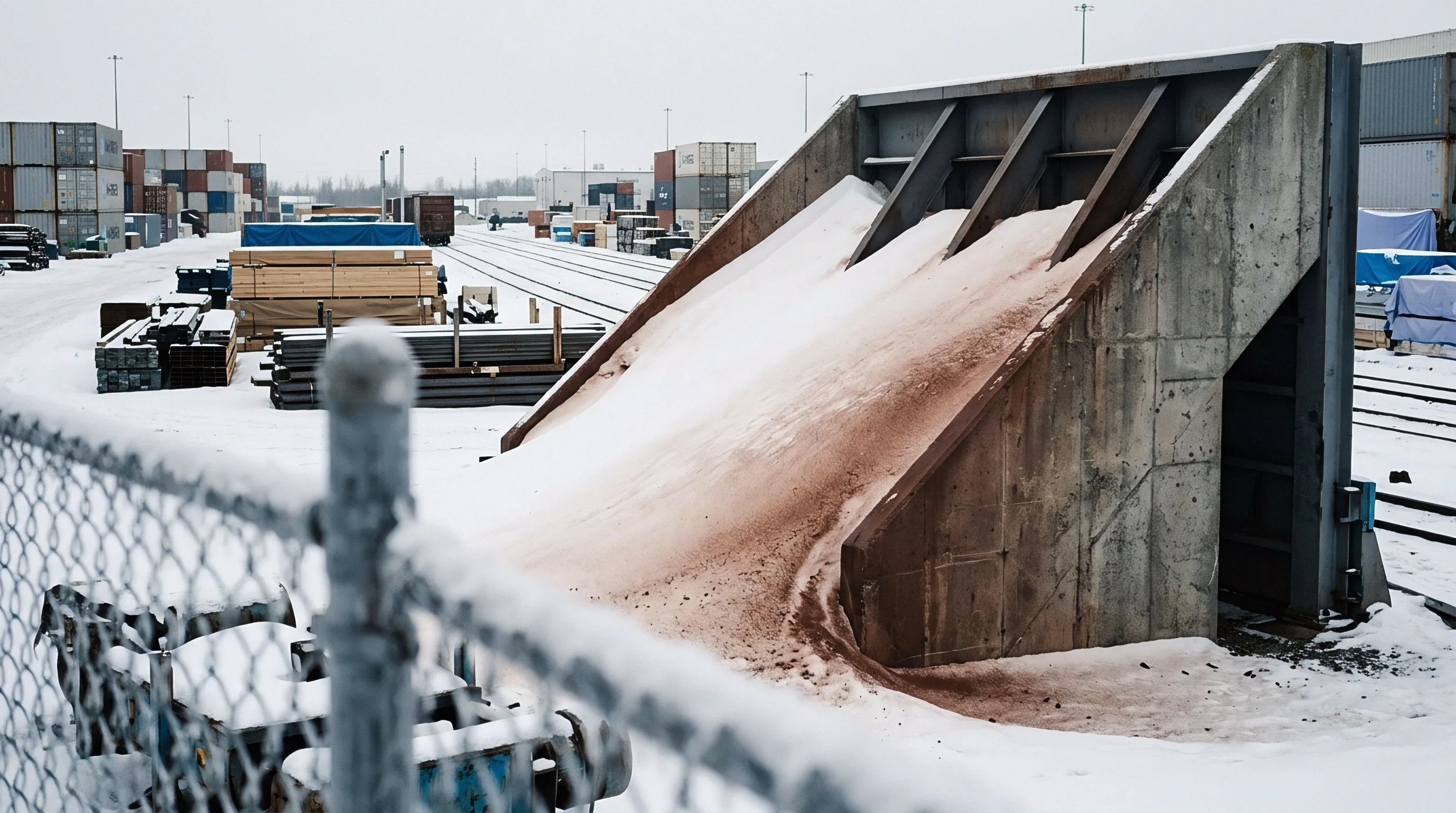
Reddish mineral aggregates spill from a concrete and steel retaining structure onto a snow covered industrial yard near rail tracks and shipping containers.

Verdict

Expect higher sourcing costs for caustic soda through the next quarter as low chlorine demand creates a structural supply floor for its co-products.

Signal Acquired from: ICIS

Nomenclature

European Chemical Prices

Reference Index ~ Regional market assessments track contract and spot valuations for industrial compounds derived from steam cracking or chlor-alkali production across Western Europe.

Caustic Soda

Alkaline Production Driver ~ Industrial sodium hydroxide functions as a primary chemical agent that drives saponification and neutralizes acidic process streams across multiple manufacturing sectors.

Inorganic Chemicals

Industrial Feedstock ~ Mineral outputs and synthetic inputs known broadly as inorganic chemicals form the foundational material stream for downstream processing across fertilizer manufacturing, metallurgy, and water treatment sectors.

Chemical Feedstocks

Raw Material ~ Unprocessed hydrocarbon mixtures and basic mineral compounds supply the fundamental inputs converted through cracking, reforming, or synthesis into industrial intermediate molecules.

Chlorine Co-Products

Stoichiometric Output ~ Inseparable chemical outputs of a single electrochemical reaction dictate the logistics and pricing structures of entire downstream industrial portfolios.

Sodium Hydroxide

Caustic Alkali ~ Highly reactive ionic material functioning as a primary inorganic base across industrial manufacturing processes characterizes this substance.

Material Sourcing

Sourcing Matrix ~ Procurement intelligence classifies material sourcing as the formal determination of origin points for production inputs.

Production Utilization

Operational Throughput ~ Measured capacity determines the efficiency of a factory floor by comparing the actual volume produced against the theoretical maximum output of a machine or system.

Chlor-Alkali Industry

Industrial Base ~ Sector of heavy chemical manufacturing provides the essential foundational molecules utilized in hundreds of downstream industrial synthesis reactions.

What the firm knows, published

Expertise is a utility, not a secret. sentiention™ publishes its working knowledge as open reference: intelligence layer covering the materials it sources, the markets it enters, and the reference that serves both.