New European Recycling Mandates Force Automotive Plastics Supply Shifts

Automotive buyers must secure traceable sources of recycled plastics to meet new European Union vehicle circularity laws.


30.08.26 2 min

Briefing

The European Union’s End-of-Life Vehicles Regulation took effect in August 2026, mandating post-consumer recycled plastics in car manufacturing. The rule shifts automotive procurement from virgin resins toward certified recycled polymers. For Tier 1 and Tier 2 suppliers, securing contracts for traced polyolefins is critical to protect production schedules and avoid regulatory fines. By 2032, at least 15% of the plastic in new vehicles must come from recycled feedstock.
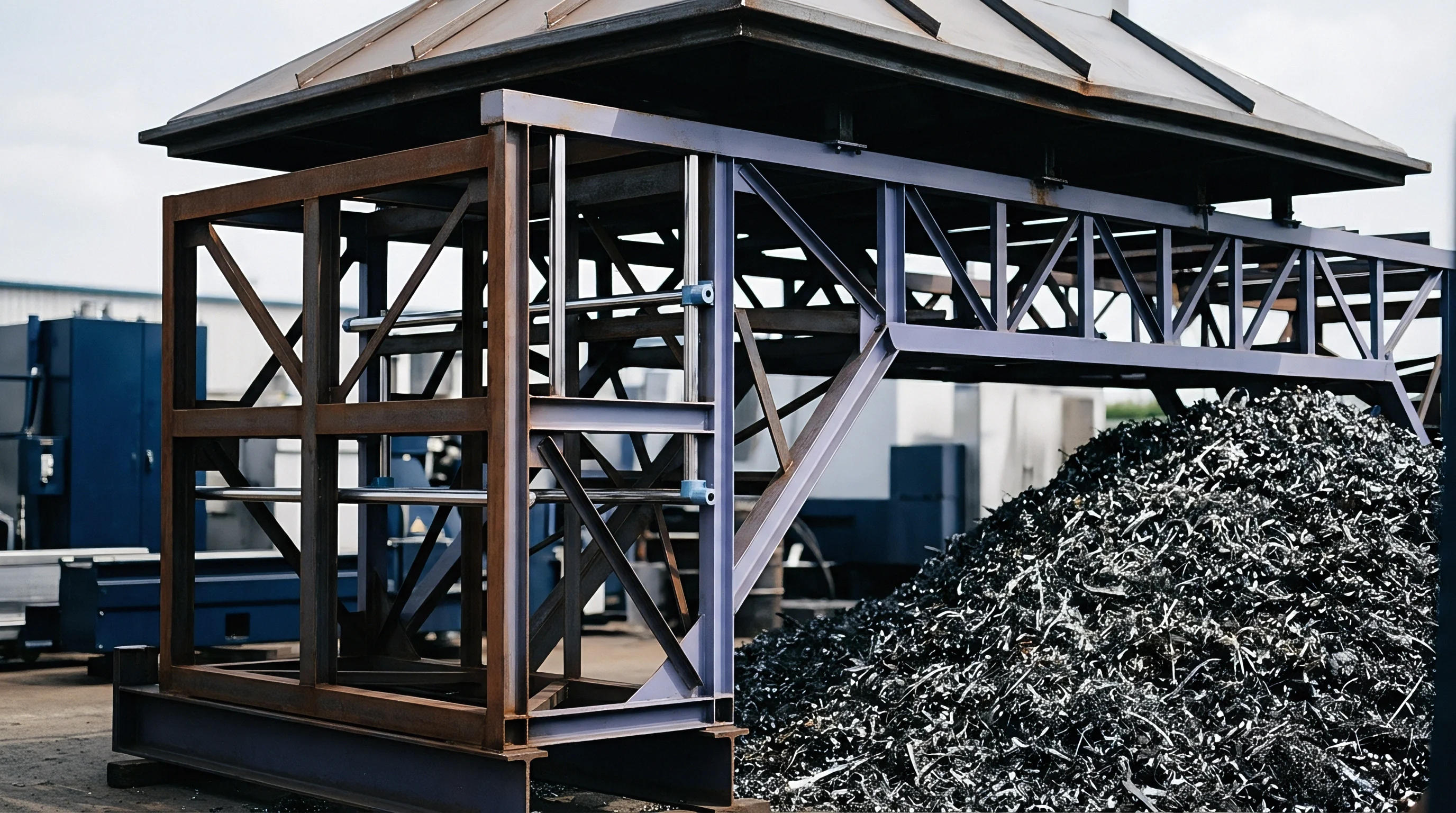
Heavy steel structural framing stands beside a large accumulation of ferrous metal shavings within an industrial outdoor production and recycling facility yard.

Context

Sourcing teams previously assumed recycled plastic mandates would remain confined to packaging and consumer goods. Automotive-grade recycled polyolefins rarely traded as a structured commodity, with earlier volumes tied up in limited sustainability pilots. Buyers monitored voluntary commitments from major OEMs, but without fixed regulatory targets, few could justify the capital required for long-term off-take agreements.

Stacked polymer bulk containers and a dismantled truck cab rest inside a weathered steel shipping enclosure illuminated by an overhead fixture.

Analysis

Now that the End-of-Life Vehicles Regulation is active law, the European Union has created a captive market for high-spec, post-consumer recycled plastics. Sourcing teams must secure automotive polypropylene and acrylonitrile butadiene styrene from verified waste streams, primarily scrap vehicles. Automakers can no longer rely solely on primary petrochemical output; a set portion of their polymer supply must come from recycling channels. High thermal and mechanical requirements for automotive parts mean recyclers and compounders must invest heavily in advanced sorting and processing capacity. As carmakers compete for compliant material, lead times will lengthen and premiums for certified recycled resins will rise. Contract negotiations will increasingly hinge on digital product passports to verify material origins and prevent non-compliance penalties.

An industrial worker manually processes granular raw material dispensed from a suspended metal mesh container into a workspace.

Parameters

  • Recycled Content Mandate 2032 ~ A minimum of 15% recycled plastic content required for each new vehicle type.
  • Recycled Content Mandate 2036 ~ A minimum of 25% recycled plastic content required for each new vehicle type.
  • End-of-Life Vehicle Supply Rule ~ A minimum of 20% of the recycled plastics used must be sourced directly from end-of-life vehicles.
  • Official Entry into Force ~ August 13, 2026, which begins the regulatory transition for automotive suppliers.

Two technicians operate a coordinate measuring machine to inspect machined metal components within a controlled industrial environment during production quality assurance protocols.

Outlook

Procurement teams need to audit resin suppliers now to confirm their tracking mechanisms for post-consumer recycled content. Over the coming quarters, buyers must monitor availability and pricing for recycled polyolefins, particularly polypropylene. Autumn contracting will offer an early signal: supplier announcements and tender filings from major compounders will show how fast price spreads over virgin resin begin to widen.

A weathered industrial rail wheel and rusted linkage connect to a painted steel plate with a brass grommet on a concrete ledge.

Verdict

Automotive buyers must write post-consumer tracking directly into long-term resin contracts now to secure compliant supply before regulatory deadlines drive up premiums.

Signal Acquired from: European Commission

Nomenclature

Circular Design Standards

Structural Compliance ~ Frameworks governing circular design standards define mandatory protocols for material recovery and component reuse across industrial manufacturing sectors.

European Manufacturing Rules

Compliance Scope ~ Regulatory frameworks established by the European Union dictate the safety, environmental, quality, and technical standards for industrial production within the single market.

Recycled Polyolefins

Polymer Recovery ~ Reclaimed thermoplastic resin streams processed from post-consumer and post-industrial plastic waste provide secondary raw materials for plastic converter operations.

Industrial Plastic Recycling

Material Recovery ~ Polymer reclamation denotes the mechanical or chemical processing of synthetic resins harvested from manufacturing waste streams for reintroduction into production cycles.

Material Compliance

Regulatory Adherence ~ Environmental and safety mandates define the legal constraints governing the chemical constitution of commercial goods.

Automotive Supply Chains

Structural Load ~ Material coordination across international manufacturing operations depends entirely upon automotive supply chains.

Secondary Raw Materials

Material Classification ~ Recycled feedstocks obtained through the processing of waste materials function as inputs for new industrial manufacturing.

Polymer Traceability

Identity Verification ~ Information systems that record the origin and composition of plastic resins allow for the verification of material claims throughout the production cycle.

Polymer Procurement

Material Selection ~ The strategic purchasing of synthetic resins in the form of pellets, powders, or granules ensures that plastic molding and extrusion operations have the necessary raw materials.

End-of-Life Vehicle Regulation

Directive Scope ~ Environmental legal frameworks governing automotive manufacturing mandate strict material recovery rates and restrict hazardous substances in automotive construction.

Recycled Polymers

Material Classification ~ Synthetic resins derived from post-consumer or post-industrial waste streams undergo chemical or mechanical processing to regain their original utility.

Post-Consumer Waste

Collection Origin ~ Material streams recovered from households and commercial entities after the conclusion of their useful life form the basis for secondary production.

What the firm knows, published

Expertise is a utility, not a secret. sentiention™ publishes its working knowledge as open reference: intelligence layer covering the materials it sources, the markets it enters, and the reference that serves both.