Record Containerboard Price Hikes Squeeze North American Packaging Procurement Teams

Severe supply tightening from paper mill closures will lift your corrugated box costs by up to 240 dollars per ton.


30.08.26 2 min

Briefing

Packaging Corporation of America announced a 140 dollars per ton price increase on containerboard effective September first ~ the third regional hike in seven months. The move pushes procurement teams to renegotiate corrugated box contracts against a sharp rise in packaging costs. Integrated mills engineered the shift by permanently retiring 3,900,000 tons of domestic capacity, deliberately tightening supply to regain pricing power.

Heavy dark solid fuel chunks fill a secured yellow fabric container positioned on a dark blue industrial surface.

Context

Procurement teams spent the past year watching historically weak box demand and budgeting for flat corrugated pricing. The main question was whether soft retail volumes would force suppliers into discounting. Buyers assumed that excess market capacity would buffer them against hikes, holding supplier margins down and lead times short.

Mechanical testing apparatus secures a glass container holding a fine particulate sample inside a production laboratory facility.

Analysis

The supply squeeze took hold when major paper producers idled ten percent of total domestic capacity to defend prices against sluggish box demand, concentrating leverage among the surviving mills. Unplanned downtime ~ including the temporary shutdown of the Pine Hill mill in Alabama ~ tightened the market further. That pressure works straight through the chain: higher raw linerboard costs trigger converter surcharges, which land directly on finished carton orders. Buyers now face tighter quote validity windows and rigid contract limits.

A polished metal sampling ladle rests beside a textured jute sack on the dark console of a maritime navigation bridge.

Parameters

  • September price increase ~ Packaging Corporation of America announced a 140 dollars per ton price increase effective September first.
  • Cumulative price hike ~ Domestic linerboard pricing has risen by a net total of 240 dollars per ton over the past seven months.
  • Retired capacity ~ Producers have permanently taken 3,900,000 tons of domestic containerboard capacity offline since February 2025.
  • Capacity reduction share ~ Mill closures have removed 10 percent of total US containerboard capacity, shifting pricing power back to producers.
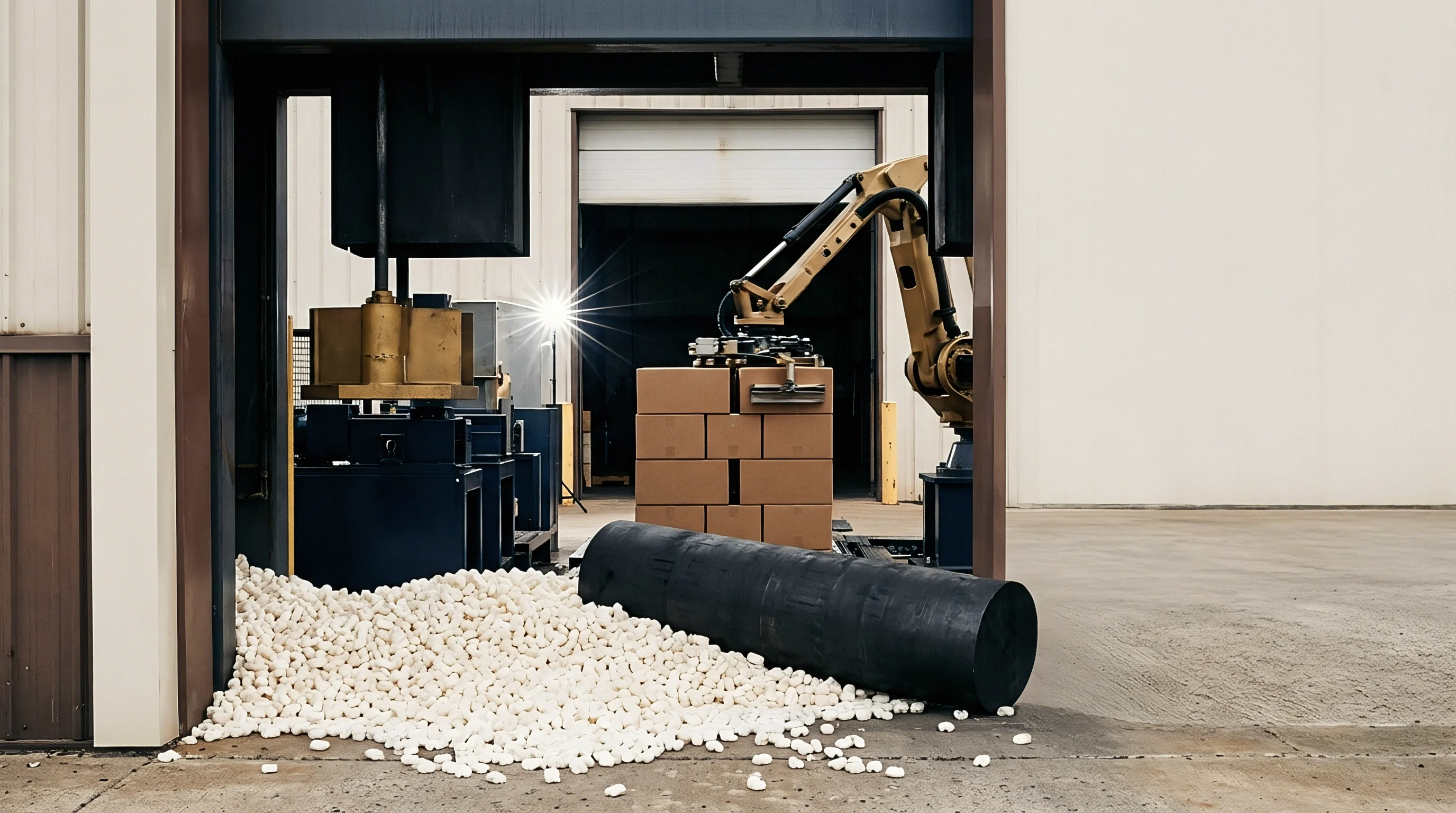
An automated robotic arm stacks cardboard cartons in a warehouse bay behind a mound of protective foam peanuts and a black industrial cylinder.

Outlook

The coming months will show how much of this increase sticks in downstream carton pricing. Sourcing managers need to track implementation rates for the September first hikes among competing board producers. The restart schedule at the Pine Hill mill in Alabama will also signal whether raw material supply eases before heavy autumn packaging runs begin.
A digital weighing scale and a black protective cargo case rest on a steel workbench above a heavy metal screw conveyor.

Verdict

Buyers must prepare for immediate corrugated packaging cost increases and should audit box specifications to offset the 240 dollars per ton board surcharge.

Signal Acquired from: Board Converting News

Nomenclature

Industrial Packaging

Protective System ~ Specialized protective materials and systems are designed to shield heavy machinery and delicate components during transport and storage.

Paper Manufacturing

Production Volume ~ Global output metrics track industrial throughput across mills by measuring converted tonnage against active digester capacity and machine width.

Corrugated Packaging

Thermal Protection ~ Formed from fluted paper mediums glued between flat linerboards, corrugated packaging functions as a structural outer shell designed to absorb mechanical shock during transit.

Linerboard Procurement

Supply Acquisition ~ Direct sourcing of paperboard materials determines the production cost profile for high volume box manufacturers.

Containerboard Pricing

Price Mechanism ~ Market quotation mechanisms determine the financial terms for unbleached kraft and recycled grades used in corrugated box production.

Domestic Sourcing

Geographic Sourcing Priority ~ Production strategy defines the practice where firms select suppliers situated within the national borders of the manufacturing site to shorten supply chains and decrease transport requirements.

Kraft Linerboard

Price Assessment ~ Primary packaging material demand frequently registers through kraft linerboard markets across major trading regions.

Packaging Economics

Unit Cost Analysis ~ Commodity procurement processes frequently evaluate packaging economics to determine the net financial impact of secondary and tertiary housing materials on a supplied good.

Boxmaker Contracts

Binding Scope ~ Corrugated conversion agreements determine the commercial terms under which a sheet supplier supplies paperboard to a converting plant.

Packaging Materials

Protective Substrate ~ Physical barriers designed to contain goods and maintain product integrity during transit represent the functional boundary for these resources.

Mill Closures

Capacity Shock ~ Facility closures represent the definitive removal of primary production assets from regional timber processing networks.

Paper Mill Capacity

Production Ceiling ~ Maximum potential output of a pulp and paper facility defines the structural supply limit for a specific grade of material over a set period.

What the firm knows, published

Expertise is a utility, not a secret. sentiention™ publishes its working knowledge as open reference: intelligence layer covering the materials it sources, the markets it enters, and the reference that serves both.