Surging Coal Tar Feedstocks Drive US Carbon Black Pricing Upward

Rising coal tar costs push US carbon black prices to $1,575 per ton, squeezing margins for industrial rubber buyers.


03.09.26 2 min

Briefing

United States carbon black prices surged as rising coal tar feedstock costs and tight regional allocations squeezed buyer margins and limited spot availability. This pressure breaks a year of predictable pricing for industrial buyers, leaving compounding plants with higher raw material bills. Regional average prices reached 1,575 dollars per metric ton.

A metal sampling enclosure holding a liquid filled petri dish sits atop structural steel within an industrial power facility.

Context

Before this upward trend, procurement desks operated on the assumption that carbon black markets would stay stable and liquid. The central question was whether steady domestic tire assembly rates would let inventories accumulate enough to drag prices back down.

Heavy structural steel beams and cast concrete blocks rest on a warehouse floor near a blue divider and louvered metal partitions.

Analysis

The rally starts at the furnace feed line, where rising coal tar costs pushed up production expenses alongside a broader 5.5 percent year-over-year increase in the domestic industrial producer price index. That cost pressure moves downstream through the furnace black process, which turns heavy coal-tar distillates into reinforcing powder. Manufacturers kept furnace operating rates high to cover contractual commitments, but that left minimal supply for spot market buyers. Sourcing teams hunting for uncontracted volume now face tight regional allocations and competing demand from overseas buyers.

Precision metrology equipment inspects a metallic turbine blade mounted on a dark staging platform within a production testing facility.

Parameters

  • Average Carbon Black Price ~ 1,575 dollars per metric ton representing the Gulf-Coast spot and contract baseline for the second quarter of 2026.
  • Price Increase ~ 8.77 percent quarter-over-quarter growth in the domestic price index for the material.
  • Industrial Feedstock Inflation ~ 5.5 percent year-over-year rise in the manufacturing producer price index, driving higher floor costs.

An illuminated data display module containing ascending wooden height blocks stands on a concrete industrial lock platform above dark water channels.

Outlook

Over the coming weeks, buyers should track coal tar feedstock spot indices and domestic furnace operating rates to gauge whether price increases will subside. Sourcing teams need to monitor upcoming autumn contract negotiations, as persistent regional allocations will determine if these elevated cost baselines carry over into the next fiscal year.
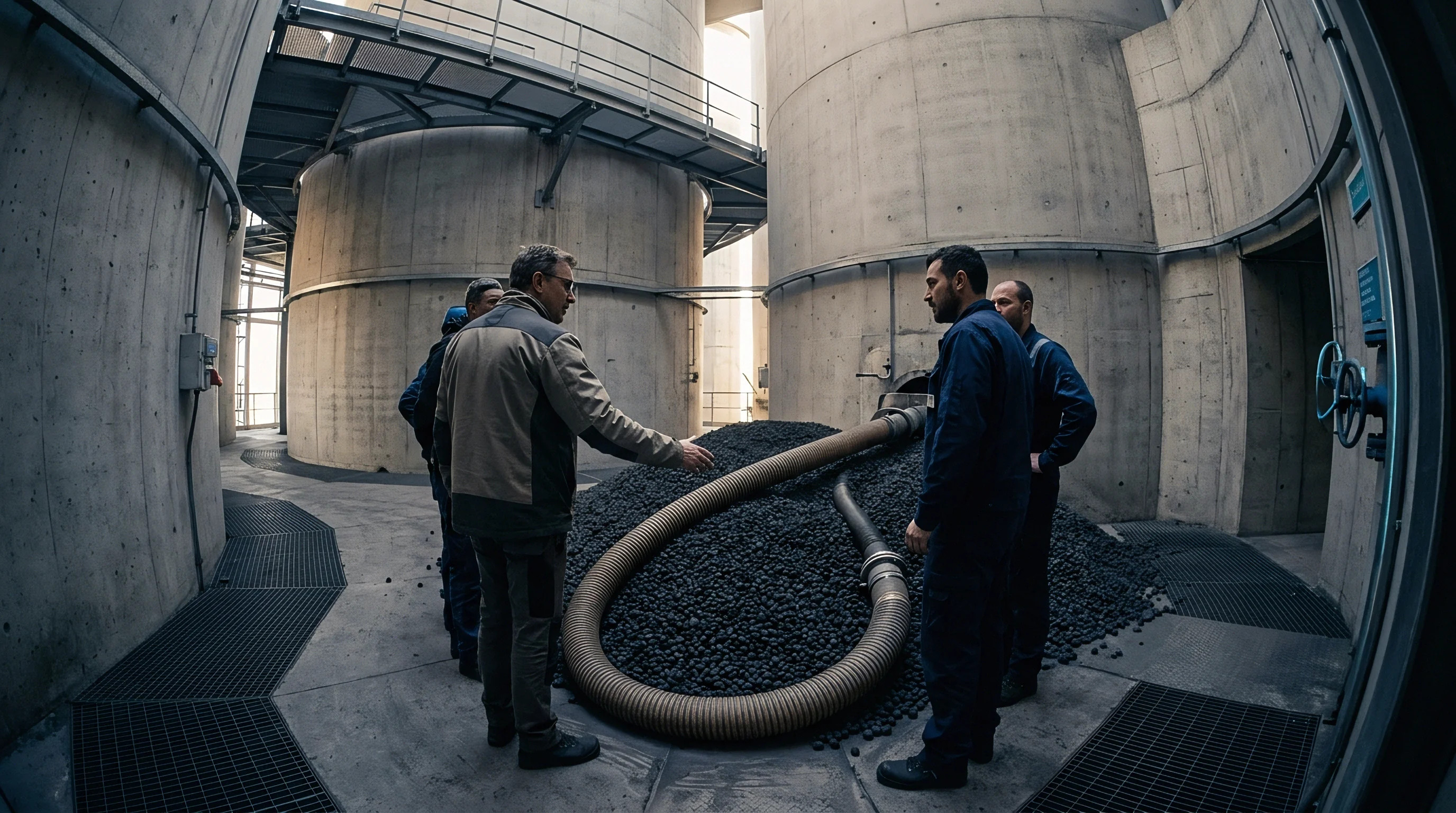
Industrial operators inspect a pile of processed carbon raw material fed by flexible hoses within a concrete silo facility.

Verdict

Procurement desks must secure long-term contractual volume allocations to shield their polymer compounding lines from volatile, feedstock-driven spot price spikes.

Signal Acquired from: ChemAnalyst

Nomenclature

Specialty Chemicals

Performance Product ~ Highly formulated chemical substances are manufactured in low volumes to meet specific performance requirements for downstream industrial applications.

Manufacturing Operating Costs

Financial Category ~ Total expenses incurred during the conversion of raw materials into finished products include labor and overhead and utilities.

Petrochemical Value Chain

Production Sequence ~ Refined petroleum and natural gas undergo successive stages of chemical transformation to yield the essential building blocks of modern synthetic materials.

Industrial Chemicals

Chemical Classification ~ Synthetic substances derived from petroleum, natural gas, or mineral deposits form the primary inventory for global manufacturing, energy generation, and agricultural production.

Volume Allocation

Resource Distribution ~ Systematic methods for dividing limited inventory or production capacity among various customers or projects ensure that demand is met in a predictable manner.

Carbon Black

Polymer Reinforcement ~ Industrial compounding relies on carbon black to impart structural integrity to rubber matrices across automotive and conveyor manufacturing.

Regional Price Spreads

Geographical Variance ~ Market pricing differentials emerge from logistical frictions dividing distinct procurement zones.

Rubber Additives

Chemical Modification ~ Elastomer processing relies on the incorporation of specialized chemical agents to optimize both the manufacturing workflow and the durability of the final vulcanized product.

Chemical Sourcing Costs

Financial Burden ~ Chemical sourcing costs comprise total expenditures incurred by manufacturing enterprises to acquire raw material inputs from external suppliers.

Polymer Compounding

Formulation Process ~ Base plastic resins require the addition of specific chemicals and reinforcing agents to meet the mechanical and thermal demands of industrial applications.

Furnace Black Process

Carbon Conversion ~ High-temperature reactor thermal degradation forms the foundation of the furnace black process, producing finely divided carbon particles from heavy residual aromatic feedstocks fed continuously into an oxygen-depleted combustion chamber.

Raw Material Volatility

Procurement Risk ~ Commodity price fluctuations characterize raw material volatility through the rapid movement of spot market valuations over defined temporal windows.

What the firm knows, published

Expertise is a utility, not a secret. sentiention™ publishes its working knowledge as open reference: intelligence layer covering the materials it sources, the markets it enters, and the reference that serves both.