New EU Acrylic Ester Registration Introduces Retroactive Chemical Tariff Liability

The European Union mandates registration for imported acrylic esters, exposing buyers to retroactive chemical tariff risk.


29.08.26 2 min

Briefing

The European Commission now requires customs authorities to register imports of acrylic esters originating in China, Saudi Arabia, South Africa, and the United States. That step leaves chemical procurement desks directly exposed to retroactive anti-dumping duties on core feedstocks for coatings, adhesives, and textiles. Sourcing teams need to re-evaluate their exposure promptly, because the registration order allows trade defense tariffs to be recovered on any shipments brought in during this nine-month window.
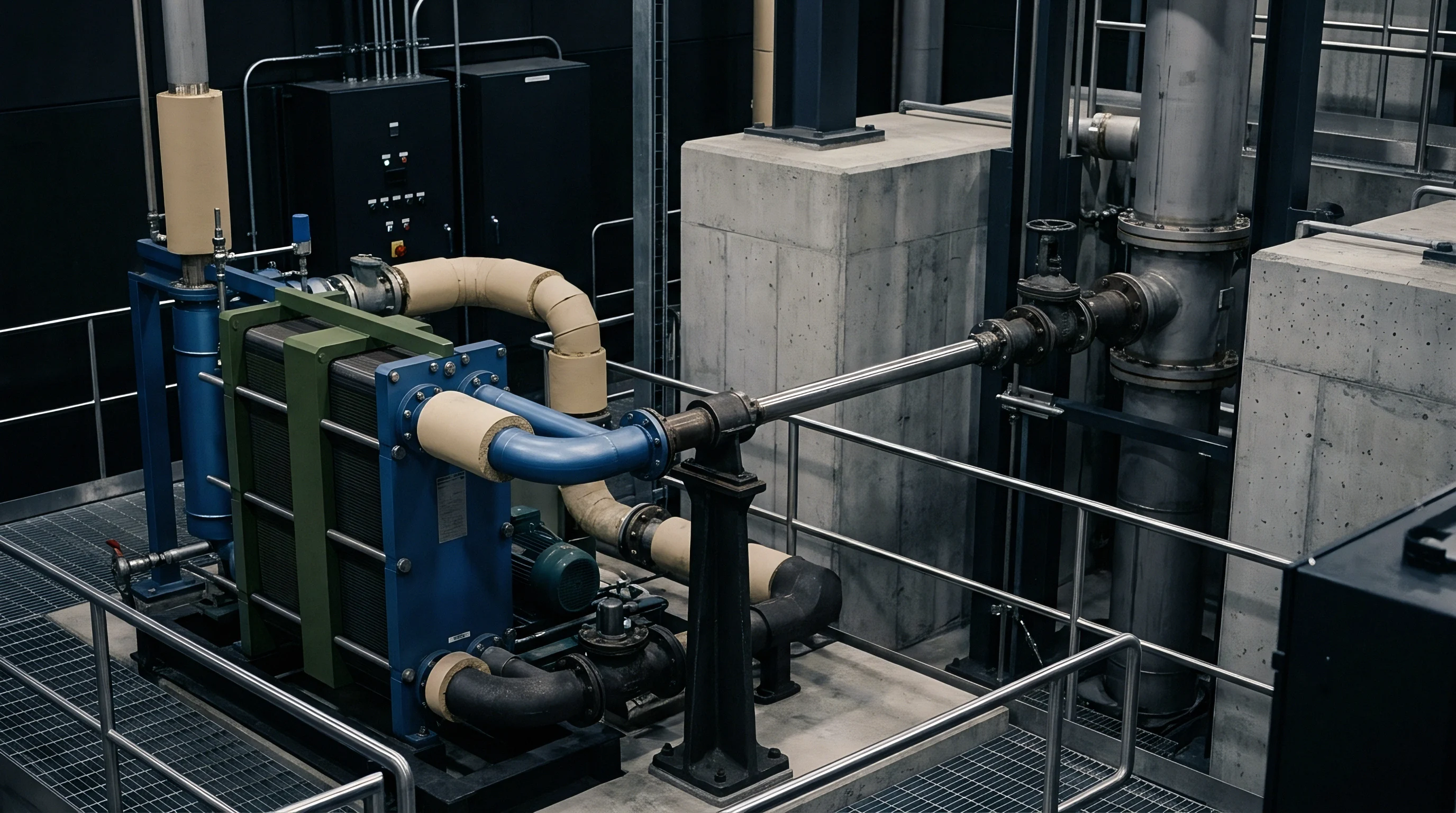
Industrial production equipment featuring bolted heat exchangers and insulated piping sits on metal grating inside a manufacturing facility.

Context

Chemical buyers were already monitoring the anti-dumping investigation opened in March 2026. The main question for sourcing teams was whether Brussels would hold off until its preliminary determination on November 12, 2026, before introducing financial measures, or whether earlier customs actions would upset contract pricing sooner.

Vertical metal and glass sample panels stand beside chemical beakers and precision measuring instruments on a dark production laboratory surface.

Analysis

Under Implementing Regulation (EU) 2026/1085, the European Commission moved forward following a complaint by EU manufacturers that represent more than 25 percent of the domestic market. For chemical importers, the fallout is twofold: receiving operations must systematically log every incoming volume of butyl acrylate and 2-ethylhexyl acrylate, while commercial teams inherit an open liability. If the completed probe shows that overseas producers sold these acrylic esters below cost, the resulting duties can be levied retroactively to the date registration began. Sourcing out of these four jurisdictions now entails direct tariff risk. Managing that exposure requires procurement desks to demand financial guarantees or insert price-adjustment mechanisms that pass retroactive duties back to suppliers.

Industrial bulk storage holding liquid raw materials sits on a textured concrete floor inside a cavernous warehouse facility.

Parameters

  • Legal Authority ~ Implementing Regulation (EU) 2026/1085, directing EU customs to register specific imports.
  • Product Scope ~ Certain acrylic esters, specifically butyl acrylate and 2-ethylhexyl acrylate, used in coatings and adhesives.
  • Origin Countries ~ The People’s Republic of China, Saudi Arabia, South Africa, and the United States of America.
  • Registration Duration ~ Nine months, during which all imported volumes are recorded for possible future retroactive taxation.
  • Industry Representation ~ The initiating complaint represents producers comprising more than 25 percent of total European Union acrylic ester production.

A white folded container and brass couplings rest beside a vertical metal guide post feeding a dark polymer sheet across an industrial room.

Outlook

Procurement desks should focus on November 12, 2026, the target date for the preliminary determination. That filing will set out the proposed duty rates and resolve whether the European Commission intends to collect those tariffs retroactively on registered deliveries or enforce them only going forward.

A metal storage box secured with straps sits on a concrete floor near a white masonry wall in this industrial digital render.

Verdict

Chemical buyers must immediately require indemnity clauses or secure alternative European or non-targeted supply sources to avoid unbudgeted retroactive tariff liabilities on acrylic ester imports.

Signal Acquired from: EUR-Lex

Nomenclature

Chemical Sourcing

Procurement Protocol ~ Acquisition management systems define the structured methodology through which manufacturing entities secure raw chemical inputs while mitigating volatility in global price indices.

Supply Chain Liability

Legal Allocation ~ Financial exposure shifts constantly along commercial networks when cargo damages or contract breaches cross national boundaries.

Customs Tracking

Administrative Trace ~ Systemic monitoring of cross-border freight movements provides border control agencies and freight forwarders with real-time positional data during international transit.

European Commission

Regulatory Body ~ The executive branch of the European Union proposes legislation, enforces bloc-wide rules and represents the union in international trade negotiations.

Butyl Acrylate

Chemical Synthesis ~ Organic esters derived from the reaction of acrylic acid with butanol function as primary monomers in the synthesis of polymers and resins.

Import Registry

Customs Clearance ~ Trade documentation databases function as repositories for official entry filings recorded by national border agencies.

Risk Management

Hazard Identification ~ Methodical operational processes identify, evaluate and control financial, operational, regulatory and safety exposures across commercial enterprises.

Trade Compliance

Statutory Observance ~ Systematic adherence practice ensures that a business follows all laws and regulations governing the movement of goods across international borders.

Chemical Coatings

Surface Chemistry ~ Solvent or powder suspensions form a protective layer upon raw material substrates to prevent oxidation or degradation.

Raw Materials

Primary Inputs ~ Unprocessed mineral ores, agricultural yields, unrefined hydrocarbons, and basic chemical substances extracted from natural reserves or primary harvesting operations form the foundational inputs for manufacturing.

Trade Defense

Tariff Remedy ~ Legal and administrative border measures protect domestic manufacturing industries from injury caused by unfairly priced imports, foreign government subsidies or sudden import volume surges.

Acrylic Esters

Industrial Composition ~ Chemical compounds derived from acrylic acid serve as the primary reactive building blocks for producing diverse polymers and resins.

What the firm knows, published

Expertise is a utility, not a secret. sentiention™ publishes its working knowledge as open reference: intelligence layer covering the materials it sources, the markets it enters, and the reference that serves both.