Global Adipic Acid Price Hikes Increase Downstream Nylon and Coating Costs

A global price hike for adipic acid forces buyers of nylon and polyurethane to brace for higher procurement costs immediately.


27.08.26 2 min

Briefing

German specialty chemicals producer LANXESS has raised global adipic acid prices by an average of 150 euros per ton, effective immediately. Procurement teams will need to absorb higher contract costs for these polymer intermediates, driving up production expenses across nylon 66, industrial coatings, and polyurethane foams. For makers of automotive parts, consumer textiles, and durable packaging, the move shifts the global baseline for adipic acid into a range of 1,900 to 2,000 euros per ton.

A wooden shipping pallet lies on a concrete floor centered between two coiled ropes with a lectern and data charts in a dark industrial space.

Context

Before the announcement, buyers had been watching energy markets settle in hopes that early-year supply chain disruptions were behind them. Industry debate centered on whether prior price hikes were sufficient to protect producer margins or if sustained energy and feedstock costs would force another increase ~ and how long producers could absorb those expenses before passing them along.
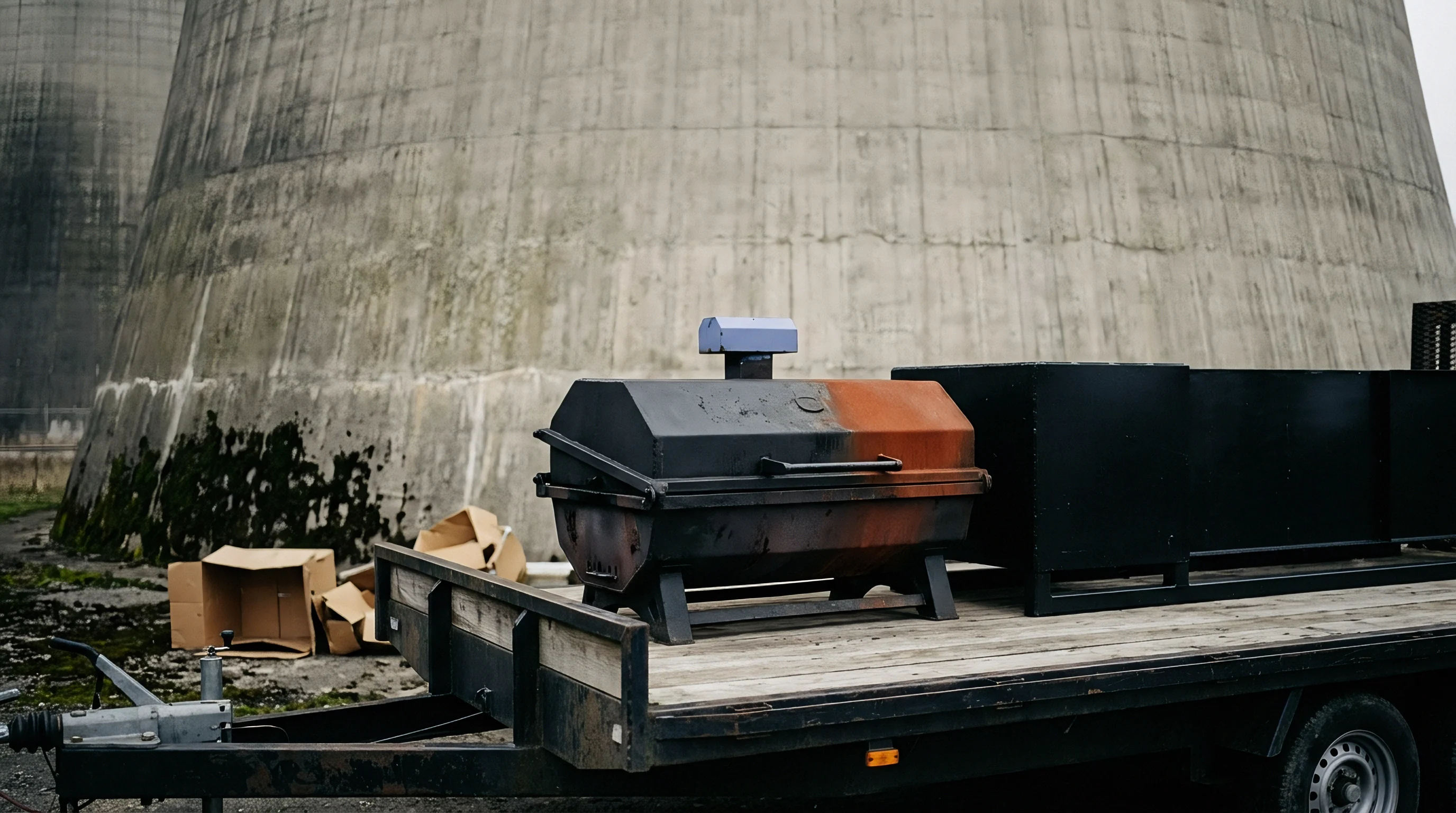
Fabricated metal industrial machinery rests on a flatbed trailer parked before massive concrete cooling towers at a production facility.

Analysis

The increase stems from months of compounding feedstock and energy costs that eroded operating margins. Its impact will filter through the supply chain in stages: chemical distributors will pass the 150 euros per ton increase directly to spot buyers, while contract customers will see it factored into quarterly formula adjustments. Resin and polymer suppliers ~ including producers of nylon 66 chips and polyurethane ~ will then adjust their own price sheets, eventually raising quotes for finished plastic components and textile fibers.

A white folded container and brass couplings rest beside a vertical metal guide post feeding a dark polymer sheet across an industrial room.

Parameters

  • Price Increase ~ 150 euros per ton average global increase applied to all accounts.
  • New Price Range ~ 1,900 to 2,000 euros per ton for European contract execution.
  • Effective Date ~ August 6, 2026, with immediate effect or as contracts permit.
  • Key Downstream Materials ~ Nylon 66, polyurethane, and specialty industrial coatings.

Rectangular material swatches in various shades rest on a flat surface next to a solid block in a logistics office setting.

Outlook

Other European and North American adipic acid producers are likely to follow with similar announcements in the coming weeks. Buyers should track benzene and ammonia spot indices closely through the next quarter; if raw material costs keep climbing into October, fourth-quarter contract talks will face further upward pressure. If feedstocks stabilize, market prices should settle near this new baseline.

A brass padlock secures a painted steel hinge mechanism mounted near concrete panels and color specification cards beside a blue wall.

Verdict

Specialty chemical buyers should review nylon and polyurethane contracts immediately to secure volume and hedge against cascading price increases down the supply chain.

Signal Acquired from: LANXESS

Nomenclature

Engineering Plastics Supply

Polymer Logistics ~ Industrial distribution and inventory networks that deliver high-performance synthetic resins designed for extreme thermal, mechanical, and electrical environments form a distinct category of raw material distribution.

Petrochemical Supply Chains

Production Connectivity ~ Industrial networks regulating the movement of hydrocarbon derivatives from refinery output to end use define the structure of global petrochemical supply chains.

Chemical Intermediates Sourcing

Precursor Acquisition ~ Industrial procurement strategies dedicated to securing high-purity molecular building blocks govern the commercial flow of materials positioned between base petrochemical refining and final compound synthesis.

Raw Material Inflation

Market Pressure ~ Commodity price appreciation describes the persistent upward movement in the acquisition costs for basic inputs required by manufacturers before those items enter a primary production cycle.

Industrial Polymer Markets

Pricing Volatility ~ Feedstock dependency exposes downstream buyers to sudden cost adjustments originating in upstream crude oil refining.

Chemical Producer Actions

Operational Adjustments ~ Coordinated shifts in asset utilization, production rates, pricing structures, and capital allocation by petrochemical enterprises form the operational response to shifting feedstock costs and end-market demand.

Plasticizer Chemical Prices

Market Valuation ~ Industrial expenditure on softening agents represents a financial metric gauging the aggregated cost of additives required to increase flexibility in polymer manufacturing processes.

Synthetic Fiber Production

Extrusion Processing ~ Industrial manufacturing operations that convert petrochemical-derived polymer chips or continuous molten polymer streams into man-made continuous filaments or staple fibers form a major branch of textile and material engineering.

Global Sourcing Indicators

Procurement Metrics ~ Analytical data series, trade flow measurements, and purchasing benchmark indices used by supply chain analysts to monitor international material availability and cost movements form a critical component of strategic planning.

Polyamide 66

Polymer Structure ~ A semi-crystalline thermoplastic engineering polymer produced through the stoichiometric polycondensation of hexamethylenediamine and adipic acid forms one of the most mechanically durable materials in global manufacturing.

Industrial Coatings Procurement

Protective Sourcing ~ Commercial purchasing strategies that secure specialized liquid, powder, and radiation-curable chemical formulations engineered to protect industrial substrates from corrosion, abrasion, and chemical exposure define an essential manufacturing input.

Polyurethane Raw Materials

Chemical Formulation ~ Liquid chemical compounds combined in precise stoichiometric ratios react to form rigid foams, flexible foams, coatings and elastomers.

What the firm knows, published

Expertise is a utility, not a secret. sentiention™ publishes its working knowledge as open reference: intelligence layer covering the materials it sources, the markets it enters, and the reference that serves both.