Higher Feedstock Costs Force Global Methyl Methacrylate Price Increases

Producers are raising MMA offers following sharp gains in acetone and supply constraints at key regional production hubs.

29.08.26 2 min

Briefing

Major chemical producers are raising global methyl methacrylate prices as acetone feedstock costs climb alongside refinery outages. Buyers face immediate price pressure on acrylic-based products, including transparent resins, surface coatings, and impact modifiers. The increase follows a period of lean inventories and elevated operating expenses, with monomer spot transactions rising $150 per metric ton in recent trading cycles.

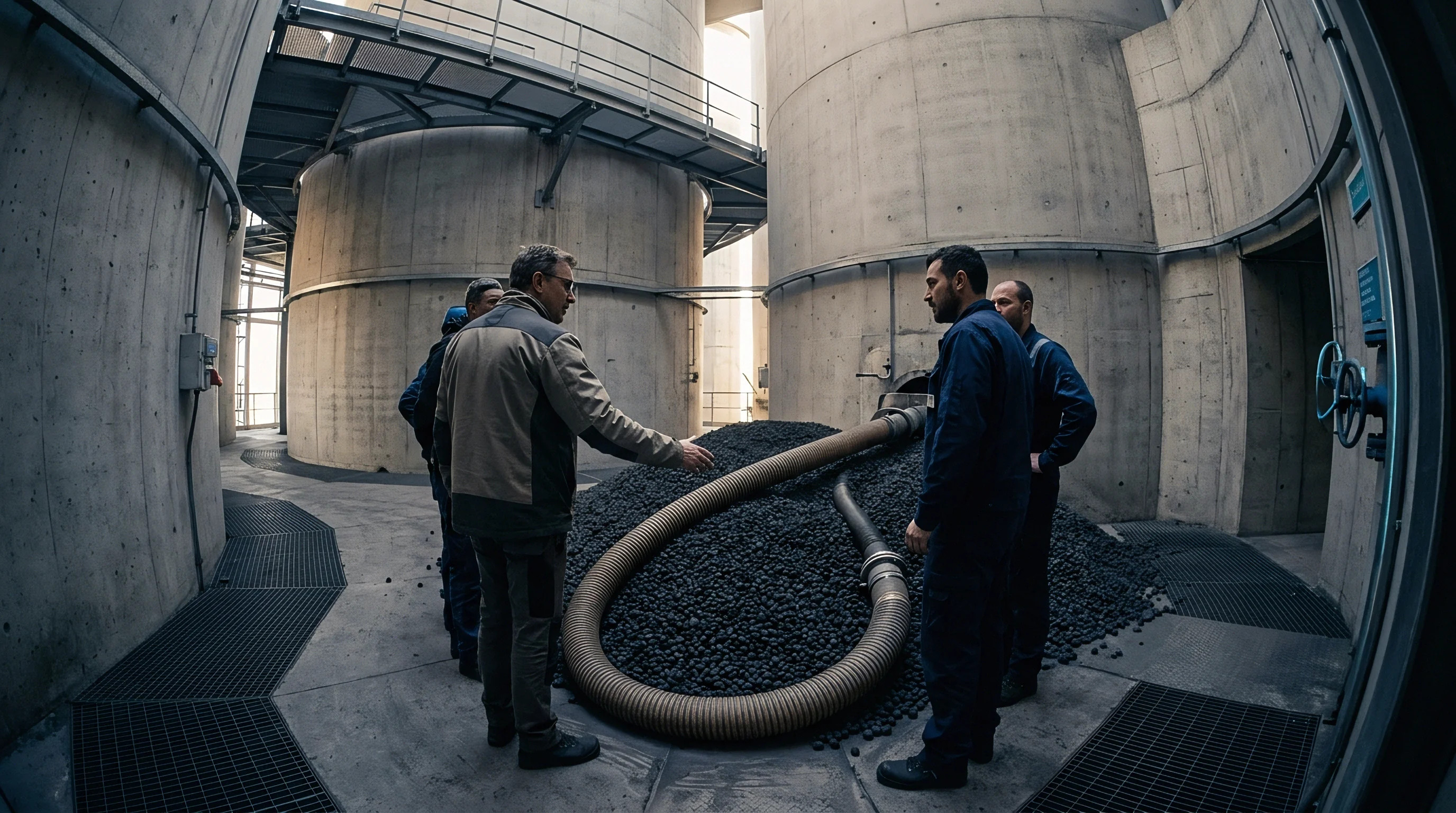
Polymer beads and layered insulation panels rest on a concrete warehouse floor beside industrial steel framing during raw material sorting.

Context

Procurement teams had expected stable monomer pricing heading into year-end inventory cycles. Market attention was focused on whether downstream demand from construction and automotive would absorb current output, while buyers tracked regional refinery run rates to confirm contract availability.

Crushed wood biomass rests beside a metal rack holding sequential glass vials filled with dark amber extraction liquids on a tabletop.

Analysis

Price pressure starts upstream, where acetone has hit multi-month highs. Because methyl methacrylate production relies heavily on this feedstock, monomer pricing reacts quickly to raw material shifts. Routine maintenance at phenol plants has tightened acetone availability, prompting MMA producers to pass higher input costs down the chain. At the same time, planned turnarounds at Asian and European facilities have reduced spot supply, forcing buyers to bid up for prompt delivery. These increases are moving from producers to resin formulators, ultimately raising per-unit costs for finished acrylic sheets and industrial paints.
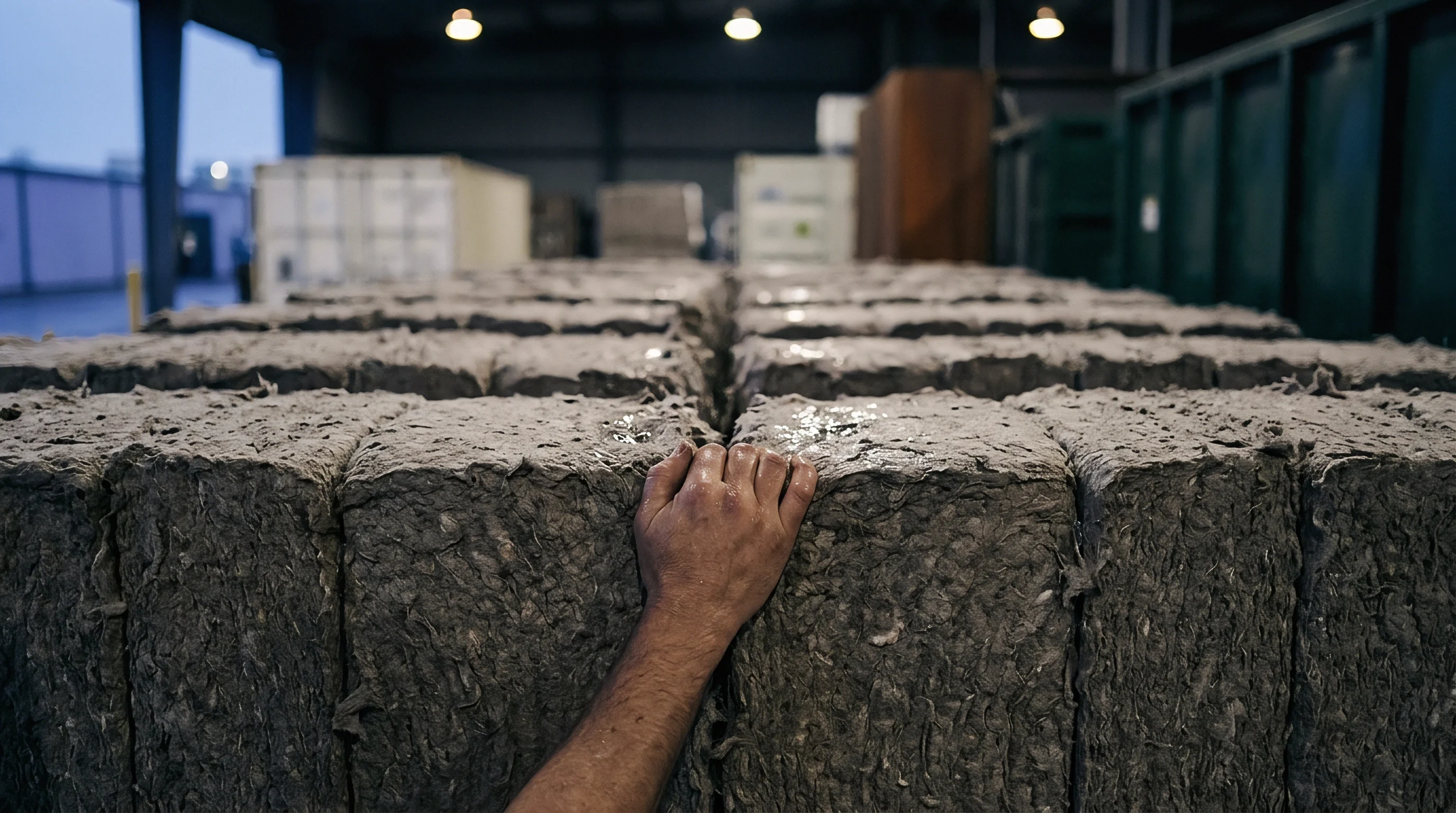
A bare human hand touches compressed gray fibrous raw material bales aligned neatly inside a large industrial warehouse facility.

Parameters

  • Acetone Feedstock ~ 12 percent increase in spot values over thirty days, pushing up the cost basis for production.
  • Transaction Increase ~ $150 per metric ton reported as the baseline hike for standard grade monomer contracts.
  • Regional Lead Times ~ 3 week extension in fulfillment windows following scheduled maintenance at key hubs.
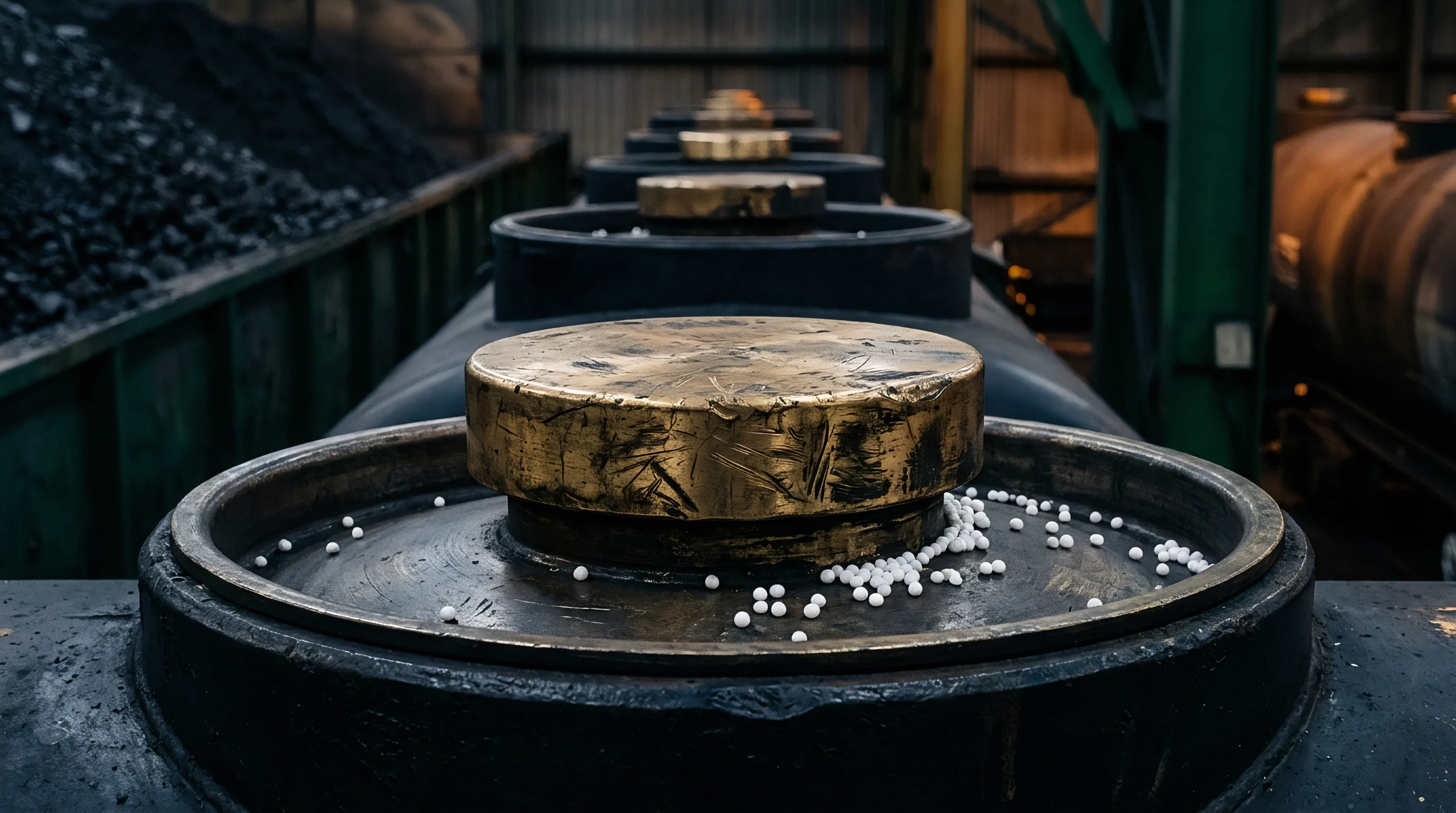
White polymer pellets scatter on the metallic hatches of bulk cargo tank cars parked inside an industrial distribution terminal.

Outlook

Margins for downstream acrylic converters are expected to remain under pressure through next quarter. Buyers will need to monitor regional phenol-acetone production data due in late September, as sustained feedstock strength could spark a second round of monomer price hikes in October.
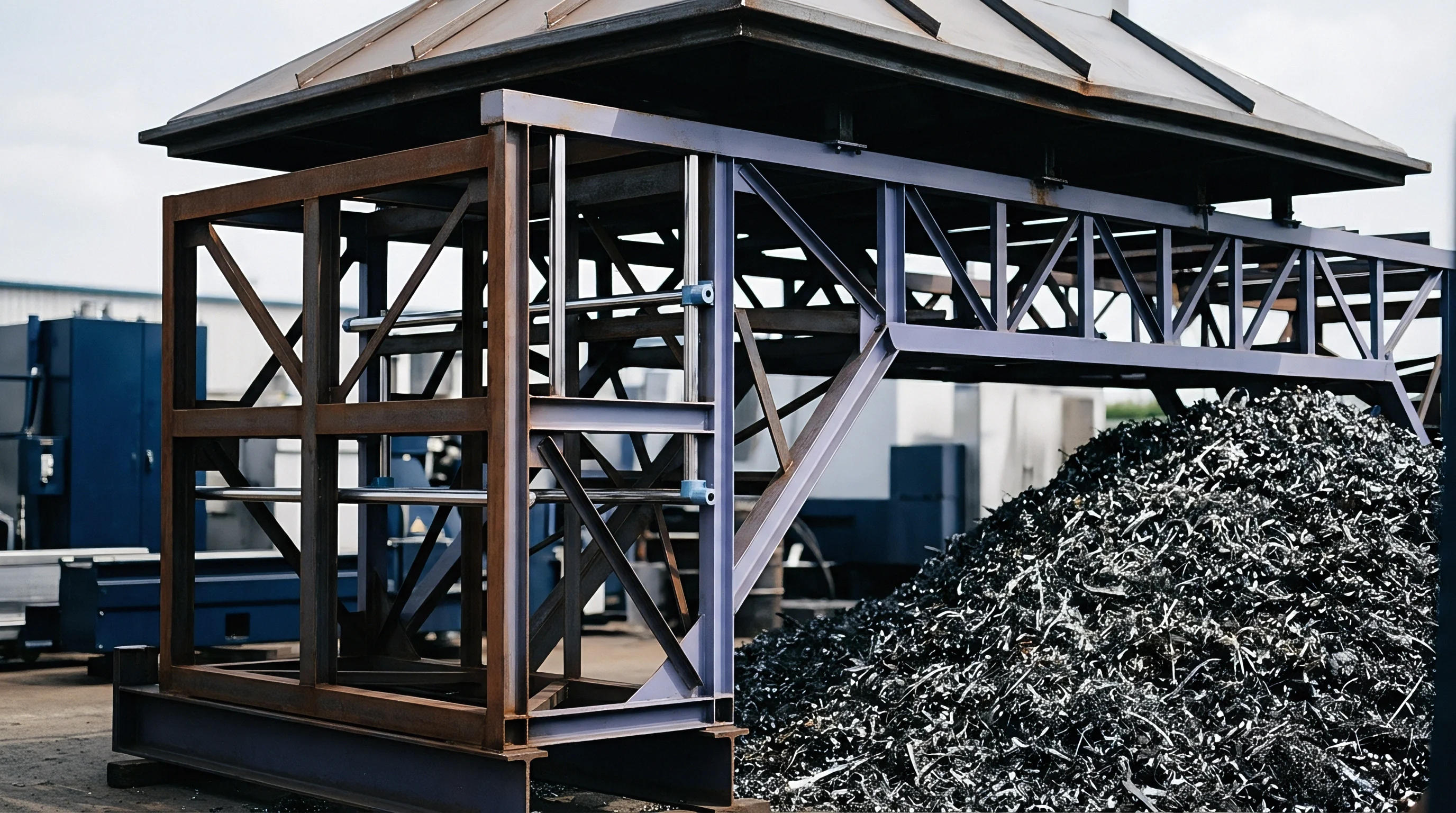
Heavy steel structural framing stands beside a large accumulation of ferrous metal shavings within an industrial outdoor production and recycling facility yard.

Verdict

Buyers should secure immediate monomer volumes to hedge against further acetone-driven escalations expected in the final quarter of the year.

Signal Acquired from: ChemAnalyst

Nomenclature

Monomers

Chemical Basis ~ Chemical building units form the foundational architecture of synthetic polymers within industrial processing lines.

Acetone Supply

Feedstock Yield ~ Industrial chemical availability relies on the co-production of secondary outputs during phenol manufacturing via the cumene process.

Feedstock Pricing

Valuation Basis ~ Financial models link raw material acquisition costs to final output margins by isolating the specific purchase price of inputs.

Surface Coatings

Layer Economics ~ Industrial chemical formulations applied directly to substrates for corrosion prevention and environmental resistance are known as surface coatings.

Chemical Benchmarks

Reference Index ~ Price reference points establish the standardized valuation for bulk liquid and solid substances across global trading hubs.

Production Curtailment

Volume Reduction ~ Industrial capacity throttling is a deliberate downward adjustment of output schedules executed by manufacturing plants during periods of weak demand or severe supply chain disruption.

Industrial Chemicals

Chemical Classification ~ Synthetic substances derived from petroleum, natural gas, or mineral deposits form the primary inventory for global manufacturing, energy generation, and agricultural production.

Methyl Methacrylate

Polymer Precursor ~ Organic synthesis relies on this clear liquid monomer to facilitate the production of acrylic resins and high-clarity plastics.

Specialty Polymers

Chemical Formulation ~ High-performance synthetic macromolecules tailor functional molecular architectures to precise thermal resistance or chemical stability profiles that generic commodity plastics fail to provide.

Acrylic Resins

Chemical Classification ~ Polymerized materials derived from acrylic acid or methacrylic acid esters constitute a diverse family of thermoplastic and thermosetting substances utilized extensively in industrial coatings and adhesives.

What the firm knows, published

Expertise is a utility, not a secret. sentiention™ publishes its working knowledge as open reference: intelligence layer covering the materials it sources, the markets it enters, and the reference that serves both.