UK Import Quota Cuts and New Tariffs Escalate Structural Steel Sourcing Costs

New import quota limits and fifty percent tariffs force procurement desks to pivot toward higher cost domestic steel mills.


29.08.26 2 min

Briefing

New British steel trade measures cut tariff-free import quotas by 51 percent, leaving industrial buyers exposed to a 50 percent tariff on any out-of-quota shipments. The tighter rules replace the previous safeguard regime, pushing domestic prices up and squeezing the margin on imports from European and Asian mills. Sourcing desks face immediate budget pressure as structural steel hits 950 pounds per ton, up from 700 pounds earlier in the year, as domestic mills pass production and transition costs onto customer invoices.

An industrial worker wearing blue workwear examines welded structural steel framework inside a component manufacturing facility surrounded by inventory.

Context

Before this shift, procurement teams relied on a looser safeguard system, using foreign sourcing to offset high domestic energy bills. Markets assumed steady imports of cheaper Asian and European steel would keep prices well below recent peaks. The main question for buyers was whether local producers could maintain pricing power as global steel overcapacity grew.

Heavy duty steel beams and assorted metal stock sit on industrial shelving units inside a commercial warehouse storage facility.

Analysis

Shrinking the tariff-free quotas creates a clear supply gap in the domestic market. With local mills supplying only about 30 percent of regional demand, buyers will exhaust quarterly quota allocations within weeks or pay the 50 percent import duty. Applied directly to customs value, the tax raises landed prices immediately.

Because raw materials make up most steelmaking costs, producers are raising base prices to protect margins against high local energy rates. Tata Steel UK has already pushed through a 125 pounds per ton increase on hot-rolled coil. This pressure moves down the supply chain, forcing section, tube, and metal door manufacturers to add double-digit surcharges to active orders.

Downstream fabricators are absorbing the costs on existing contracts for now, but new quotes will reflect the full tariff-rate quotas as fixed agreements expire.

A metal anemometer sensor mounts beside a contoured steel shield attached to a painted industrial housing overlooking heavy transit rails.

Parameters

  • Quota Volume Reduction ~ A 51 percent drop in the volume of imported steel allowed into the country without additional duties.
  • Above-Quota Tariff Rate ~ A 50 percent duty applied to covered steel shipments once quarterly quotas run out.
  • Tata Steel Price Hike ~ An increase of 125 pounds per tonne on hot-rolled coil and galvanized steel products.
  • Structural Steel Price Jump ~ A price increase to 950 pounds per ton, up from 700 pounds per ton earlier in the year.

Blue coated steel industrial enclosure panels feature a welded metal duct connection secured beside vertical structural framing inside a production facility.

Outlook

Price volatility will likely persist over coming quarters as the market prepares for the Carbon Border Adjustment Mechanism on January 1, 2027. Procurement teams will need to track customs reports closely to monitor how quickly quarterly quotas fill. Early exhaustion will trigger the 50 percent tariff, driving fast surcharge adjustments on incoming steel shipments.
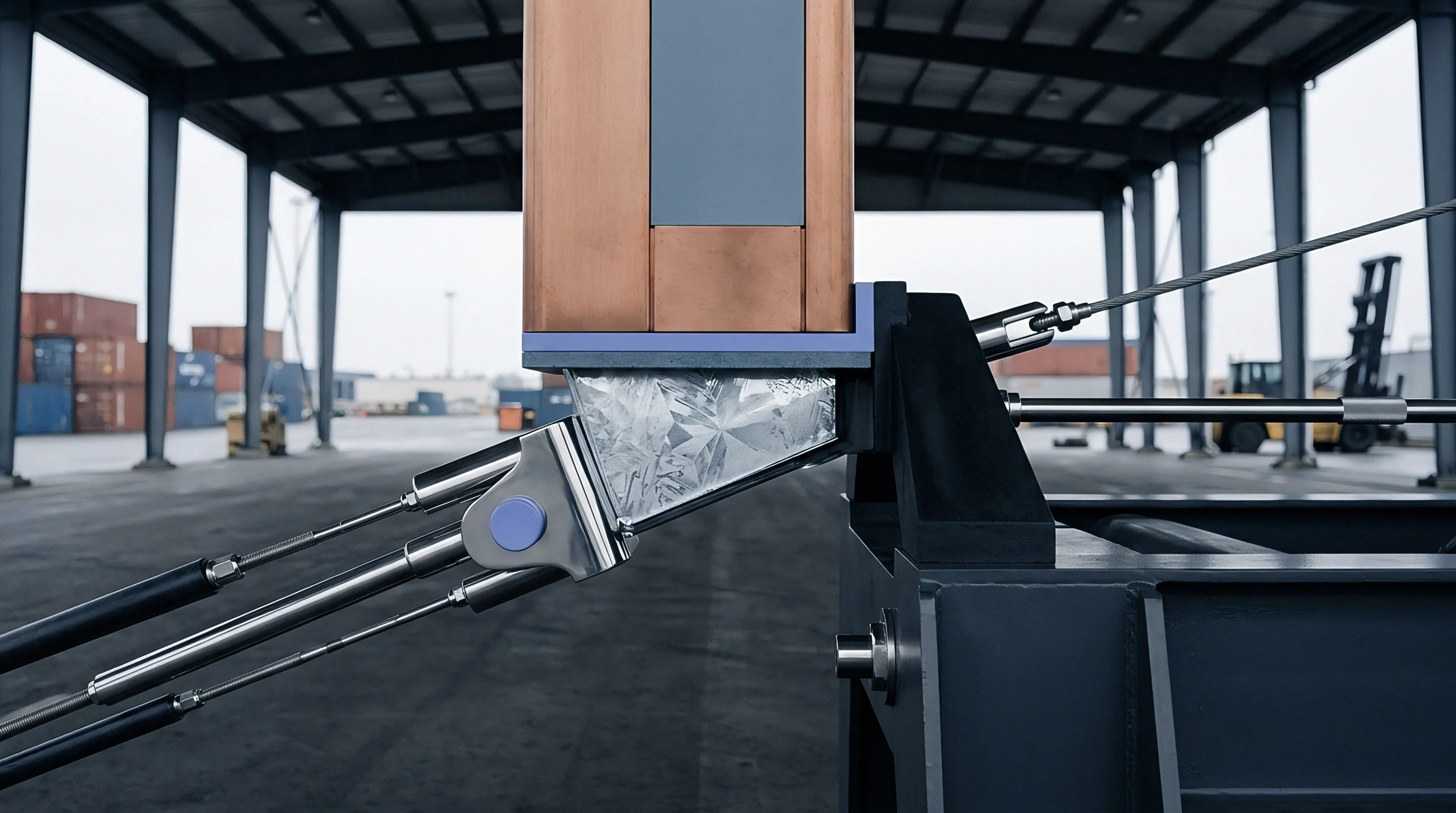
Render of a heavy industrial seismic isolation assembly featuring steel cables and a mechanical damping joint inside a freight terminal warehouse.

Verdict

Changes to UK steel trade policy make domestic sourcing and securing quotas early the only real ways to protect downstream budgets from fifty percent tariff penalties.

Signal Acquired from: Gowling WLG

Nomenclature

Customs Compliance

Regulatory Duty ~ National border authorities mandate a structural adherence to import and export statutes which dictates the legal movement of goods across sovereign lines while ensuring the collection of accurate duties.

Trade Policy

Regulatory Framework ~ Government statutes, administrative rules and international treaties govern the terms under which domestic commercial entities trade with foreign counterparties.

Structural Steel

Load-Bearing Alloy ~ Hot-rolled carbon steel shapes supply the load-bearing frames of commercial buildings and industrial infrastructure.

Steel Import Tariff

Border Tax ~ Customs duty assessed on foreign metal crossing a national boundary operates as a fiscal charge levied by governments to protect domestic foundry operators from lower international pricing structures.

Industrial Materials

Primary Category ~ Hard physical inputs traded on regional exchanges represent the foundational commodities consumed during manufacturing operations and civil construction projects worldwide.

Downstream Manufacturing

Secondary Assembly ~ Industrial processing stages that convert refined commodities and raw materials into finished consumer goods operate at the end of the supply chain.

Steel Supply Chains

Freight Integration ~ Metallurgical processing relies heavily on steel supply chains to move heavy inputs like coking coal, iron ore, and finished plates across global shipping routes.

Metals Procurement

Industrial Sourcing ~ Acquisition activities for base and precious materials involve the systematic identification, negotiation, and scheduling of supply chains to maintain production output while managing volatility in commodity prices.

Tariff Rate Quota

Volume Allocation ~ Dual tiered customs management applies a lower duty rate to imported commodities falling beneath a specific numeric threshold while levying a prohibitive surcharge on quantities crossing above that boundary.

Hot Rolled Coil

Flat Steel ~ Sheets of steel that have been roll pressed at high temperatures constitute the fundamental precursor for automotive, construction and heavy machinery fabrication.

Carbon Border Adjustment

Tariff Mechanism ~ Environmental trade policies equalize the cost of carbon emissions between domestic products and imports.

What the firm knows, published

Expertise is a utility, not a secret. sentiention™ publishes its working knowledge as open reference: intelligence layer covering the materials it sources, the markets it enters, and the reference that serves both.