Unplanned Plant Shutdowns and Feedstock Spikes Firm US Hydroquinone Prices

Prepare for tighter prompt supply and higher hydroquinone contract rates after three major US Gulf Coast shutdowns.


30.08.26 2 min

Briefing

Unplanned force majeure shutdowns across the US Gulf Coast have driven up hydroquinone prices, ending months of soft pricing. The supply disruption leaves buyers of polymer inhibitors and rubber antioxidants competing for scarce prompt material alongside rising aromatic and phenol feedstock costs. Sourcing teams must adjust quickly as the market moves above its 4,738 dollars per metric ton average toward a higher pricing floor ahead of fourth-quarter demand cycles.
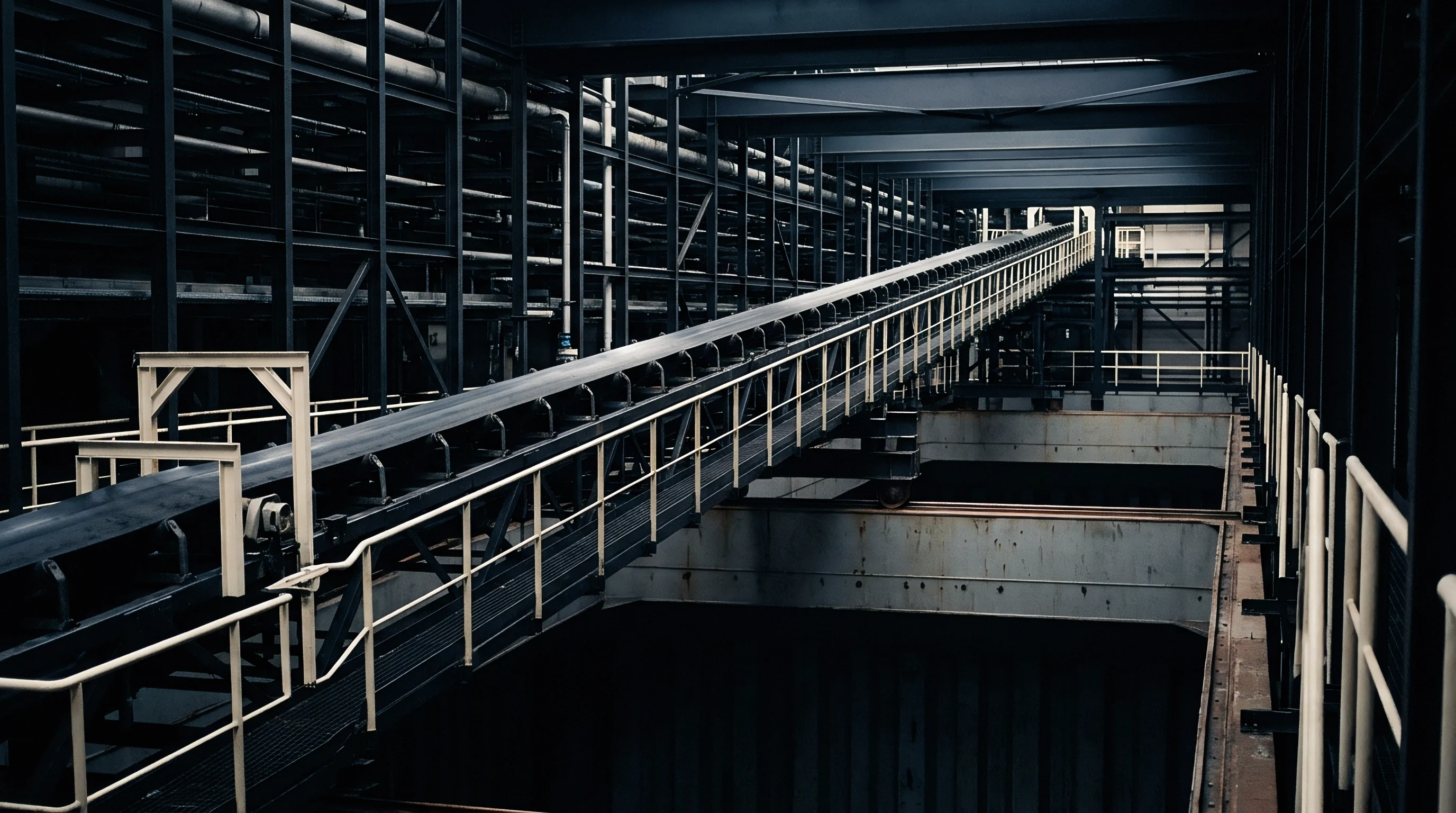
An inclined conveyor belt mechanism rises through a cavernous metallic structure surrounded by steel girders and industrial piping networks.

Context

Before the outages, procurement desks expected steady summer output to keep spot prices down. Buyers were watching July’s slight price decline to see whether the weakness would extend through seasonal destocking.

Metal flatbed and freight wagons rest on railway tracks inside a heavy industrial manufacturing plant surrounded by production tools.

Analysis

The sudden tightening in July follows three unplanned shutdowns at Beaumont, Baytown, and Deer Park, which rapidly drained prompt spot supply. With regional units offline, the resulting deficit will take time to clear before standard delivery schedules can resume. Rising costs for phenol and benzene in the US Gulf Coast added immediate pressure, allowing producers to regain pricing leverage and pass higher input costs straight into downstream spot quotes.

Rusted steel brackets with protruding metal spikes attach to an industrial structural column above a wooden pallet on a dusty concrete floor.

Parameters

  • Shutdown total ~ Three unplanned force majeure halts at Beaumont, Baytown, and Deer Park that disrupted July manufacturing.
  • Average price level ~ 4,738 dollars per metric ton, the FOB Houston transactional average prior to the August price recovery.
  • July price change ~ 0.79 percent decline that has now been reversed by rising feedstock costs.

Heavy industrial electrical connector rests enclosed within durable fabric sheath positioned atop steel rail infrastructure inside manufacturing plant.

Outlook

Pricing is expected to stay firm over the coming weeks as seasonal demand peaks for rubber, pharmaceuticals, and photographic intermediates. Buyers should track US Gulf Coast refinery run rates and benchmark phenol prices to see if the supply squeeze eases or if high conversion costs continue pressing margins into next quarter.

Polymer beads and layered insulation panels rest on a concrete warehouse floor beside industrial steel framing during raw material sorting.

Verdict

Procurement desks should secure fourth-quarter hydroquinone contract volumes now to hedge against further spot price spikes driven by tight regional supply and sustained feedstock costs.

Signal Acquired from: ChemAnalyst

Nomenclature

Chemical Intermediates

Reaction Kinetics ~ Materials transformed in secondary synthesis depend heavily upon chemical intermediates generated during fractional distillation or catalytic cracking.

Global Chemical Supply

Reactor Feedstock ~ Global chemical supply encompasses the worldwide movement of base petrochemicals, inorganic compounds, and specialty intermediates from production sites to industrial processors.

Inventory Management

Control Method ~ The systematic control of stock levels, storage locations, and material flows defines the operational efficiency of production and distribution companies.

Chemical Contract Negotiations

Price Settlement Protocol ~ Structured commercial discussions between chemical producers and industrial buyers establish the pricing formulas and delivery schedules for long-term industrial supply agreements.

Raw Material Costs

Procurement Valuation ~ Economic accounting identifies the total cash outflow dedicated to the acquisition of physical commodities needed for manufacturing processes.

Benzene Derivatives

Molecular Backbone ~ Chemical compounds originating from the replacement of a hydrogen atom in the hexagonal hydrocarbon ring act as foundational building blocks for synthetic materials ranging from polymers to pharmaceuticals.

Force Majeure Shutdowns

Contractual Release Event ~ Unforeseen and unavoidable occurrences such as natural disasters, industrial accidents, or regulatory interventions can legally excuse a manufacturer from fulfilling their supply obligations.

Feedstock Volatility

Input Variance ~ Raw material price instability characterizes the frequent and unpredictable fluctuation in the cost of inputs required for industrial production.

US Gulf Coast

Basin Output ~ Crude oil trading desks monitor the US Gulf Coast as the primary pricing node for heavy sour grades produced across onshore shale plays and offshore platforms in the western Atlantic basin.

Rubber Additive Procurement

Chemical Sourcing ~ Chemical additives function as performance modifiers that alter the elasticity and durability of synthetic polymers.

Hydroquinone Sourcing

Supply Procurement ~ Chemical manufacture requires the consistent acquisition of benzenediol compounds through controlled industrial reaction pathways.

Resin Manufacturing

Polymer Synthesis Facility ~ Chemical manufacturing processes that convert liquid or gaseous monomers into solid plastic polymers generate the essential materials used for molding, extrusion, and packaging.

What the firm knows, published

Expertise is a utility, not a secret. sentiention™ publishes its working knowledge as open reference: intelligence layer covering the materials it sources, the markets it enters, and the reference that serves both.