Canadian Rail Lockout Threatens North American Port Clearance and Reliability

Imminent rail shutdowns in Canada force container diversions and increase dwell times at major North American entry points.
29.08.26 2 min

Briefing

Canadian National Railway and CPKC locked out workers in a coordinated move, shutting down rail freight across the country. The halt leaves buyers rerouting containers through US ports or holding cargo at Canadian terminals. Logistics teams face higher drayage costs and longer inland transit delays as intermodal lines freeze, while rising yard density on the docks threatens secondary congestion for arriving vessels. Nearly 1 billion dollars in daily trade value is tied up in the stoppage.
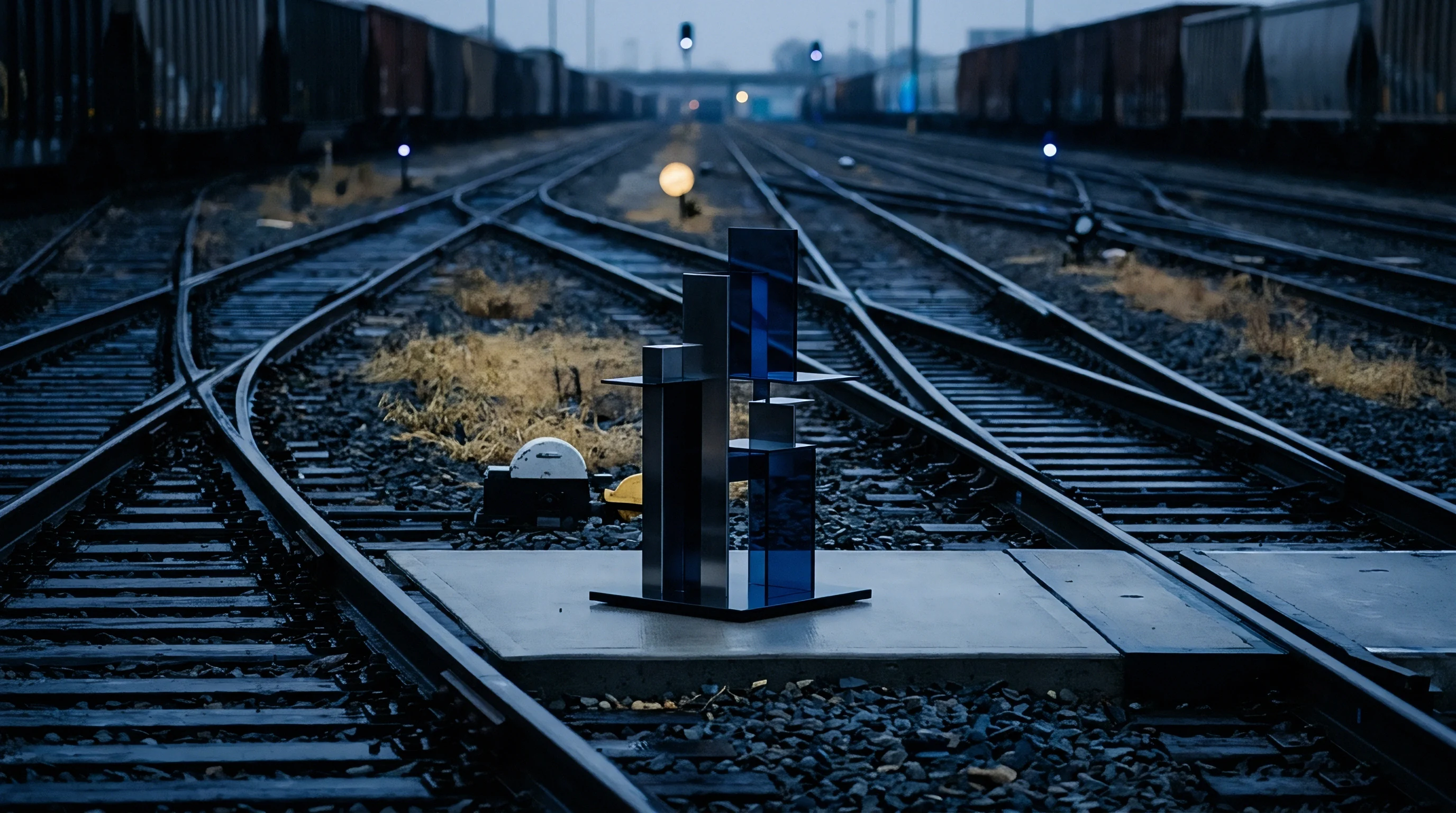
A geometric blue glass and metallic sculpture stands on a concrete foundation located between converging railway tracks in a busy freight terminal yard.

Context

The market had expected government intervention to step in and prevent a cross-border trade freeze. Procurement desks monitored storage capacity at Vancouver and Prince Rupert to see if terminals could absorb the backup without triggering immediate congestion surcharges.
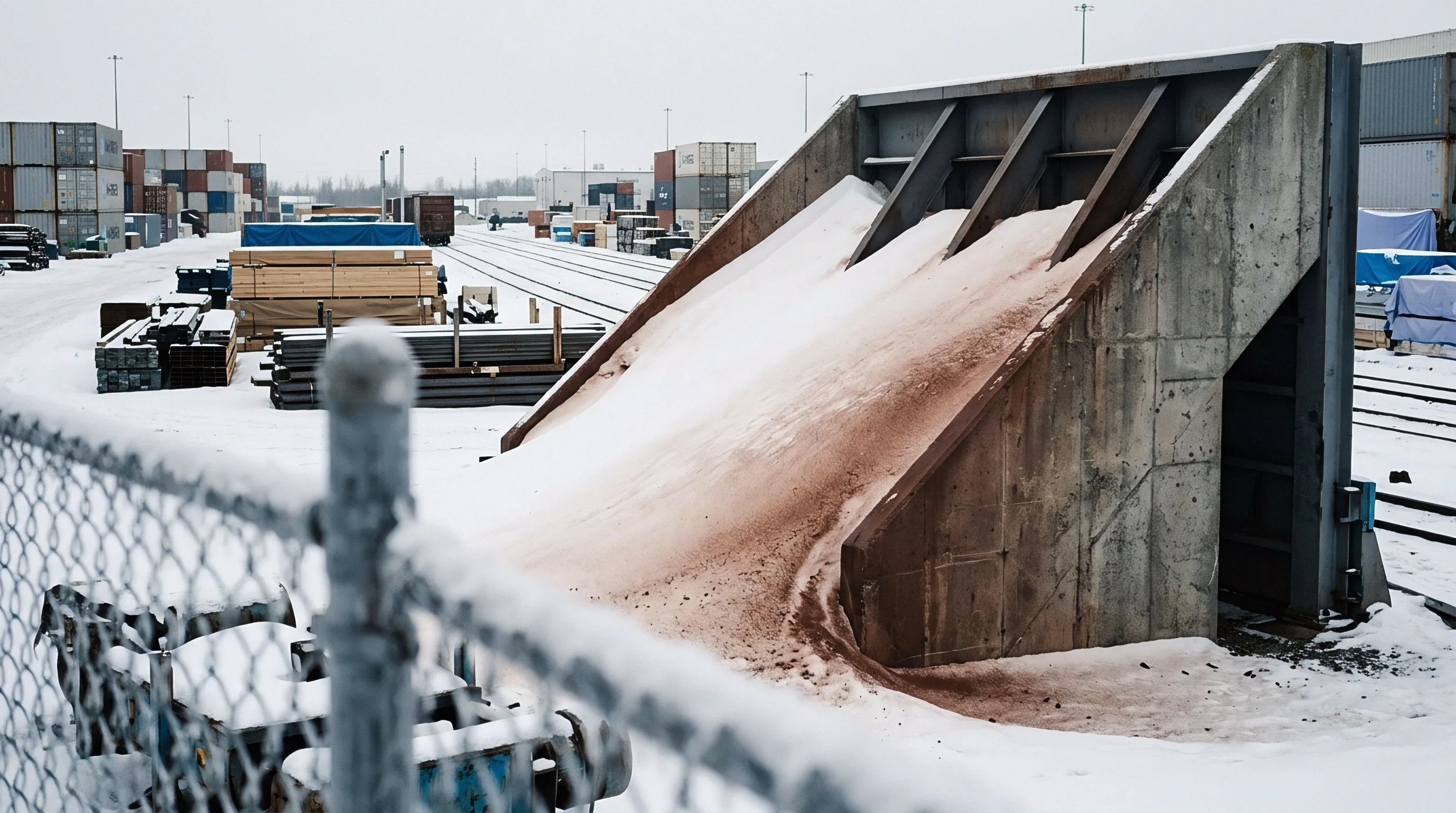
Reddish mineral aggregates spill from a concrete and steel retaining structure onto a snow covered industrial yard near rail tracks and shipping containers.

Analysis

A lockout removes the primary way coastal gateways clear container yards. Containers arrive at terminals by sea, but without rail cars to move them to inland distribution centers, stacks quickly crowd the grounds. This creates high terminal density where parked containers occupy space needed for incoming offloads, eventually forcing ships to slow down or wait offshore. Inland buyers see their inventory stuck at the coast, while long-haul trucking rates rise as demand outstrips regional capacity. When rail fails, the strain shifts directly to road carriers.
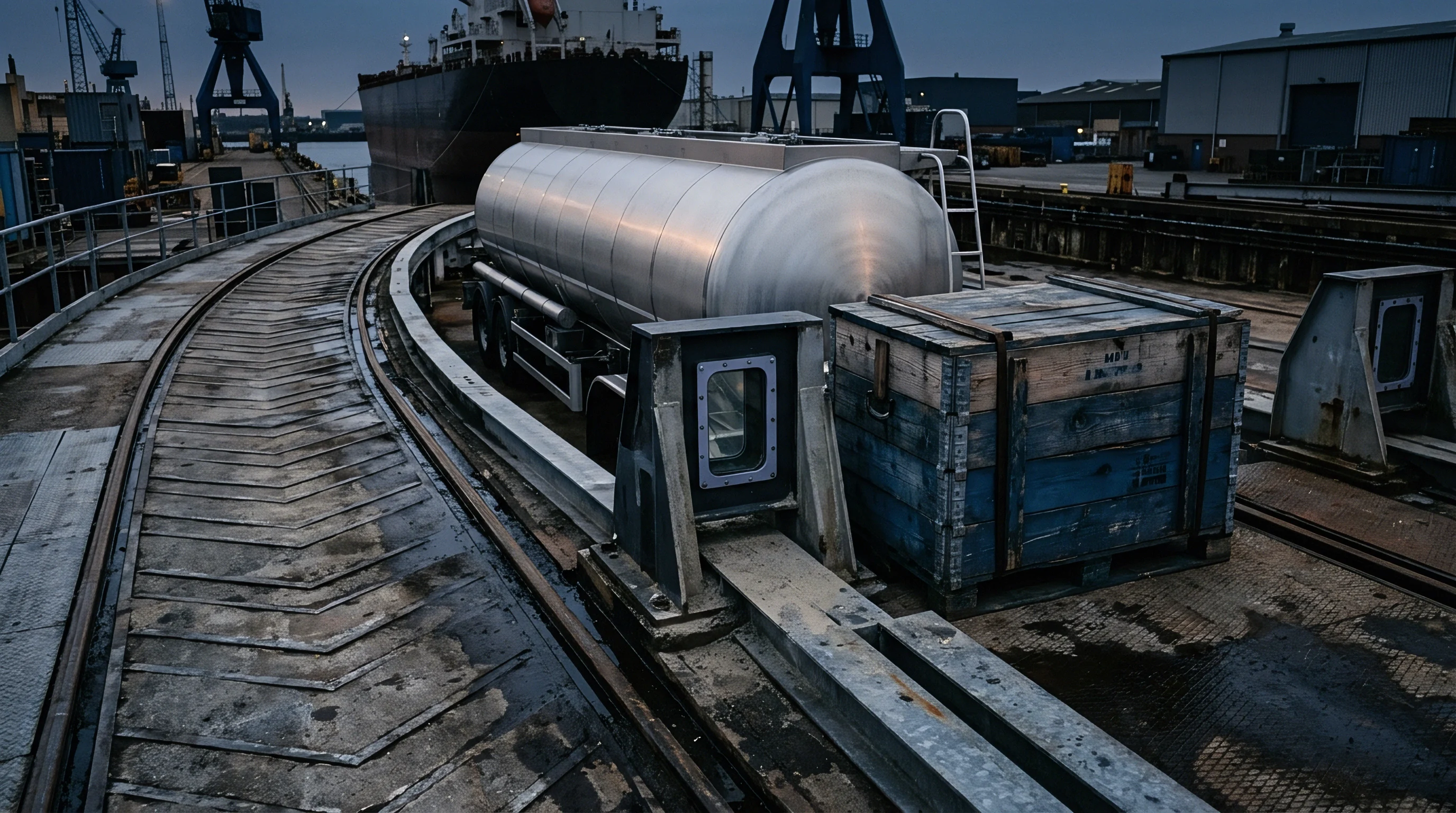
A stainless steel tanker and wooden cargo crate rest on industrial rail tracks inside a coastal shipping terminal during evening twilight.

Parameters

  • Daily Trade Value ~ 1 billion dollars in goods stranded by the rail stoppage.
  • Affected Workforce ~ 9300 employees removed from operations during the lockout.
  • Terminal Density ~ The percentage of yard space occupied at major ports before ships are diverted.
  • Dwell Time ~ The average number of days a container remains in a terminal before inland dispatch.
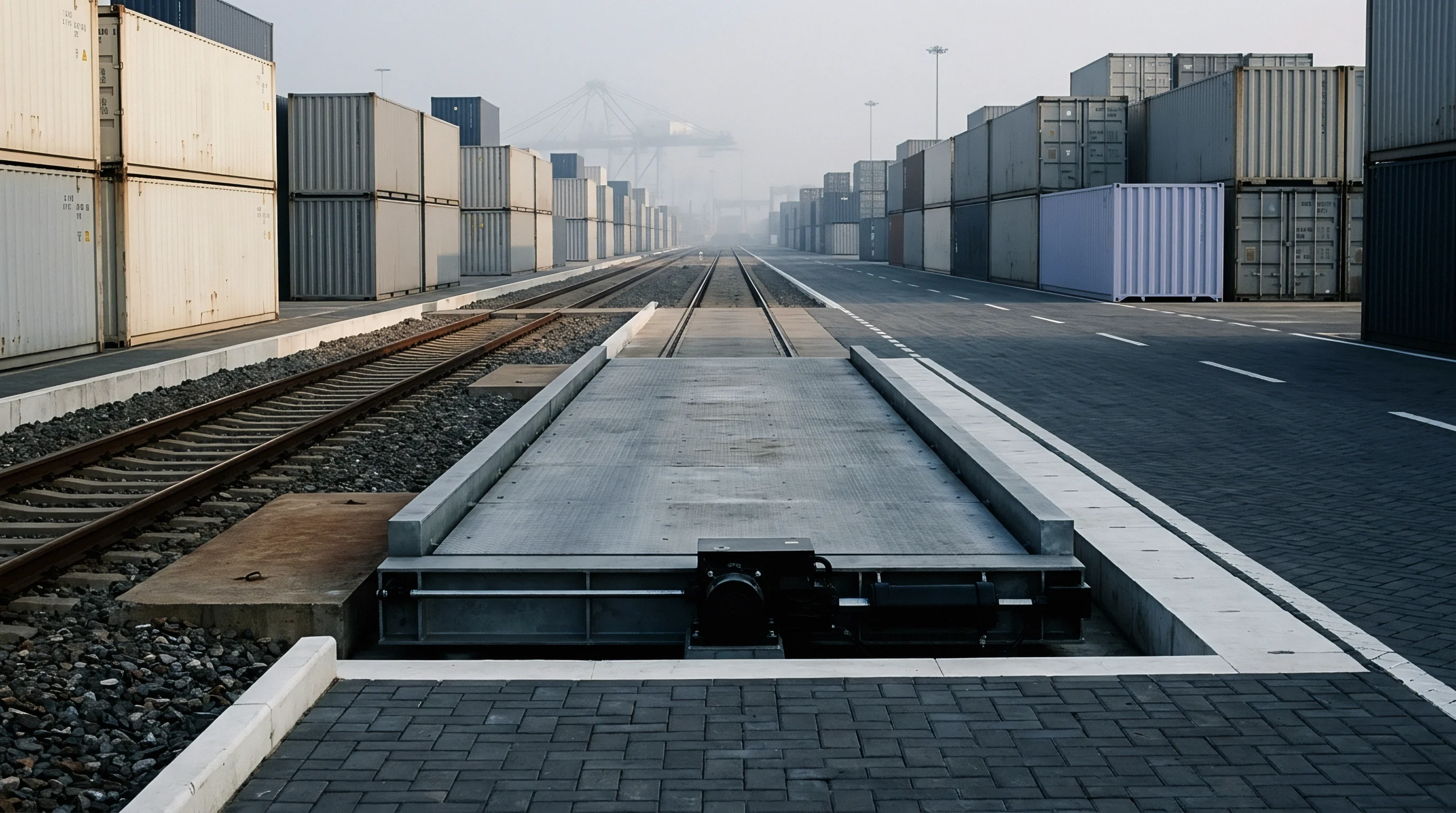
A digital render of an industrial intermodal freight yard containing a central weighbridge flanked by railway tracks and stacked shipping containers.

Outlook

Market participants are watching the Canadian federal labor board for a mandate to resume operations through binding arbitration. A lockout lasting seven days creates a backlog that typically takes three to four weeks of rail recovery time to clear. Buyers should track the Vancouver dwell time index to spot when congestion shifts from manageable to chronic.
Heavy steel railway tracks rest on wooden ties above crushed stone ballast alongside a metal collection pan during freight yard maintenance.

Verdict

Buyers should secure alternative trucking capacity at West Coast gateways to move high-priority inland orders during the rail operational halt.

Signal Acquired from: CN Railway

Nomenclature

Carrier Logistics

Transport Coordination ~ Asset-based management systems organize the movement of freight across diverse transport networks.

Cargo Diversion

Routing Reassignment ~ Redirection of freight from its original destination to an alternative port or terminal occurs during transit.

Supply Chain Disruption

Operational Shock ~ Financial exposure from freight interruption represents an unexpected stoppage in material movement that breaks scheduled procurement cycles across industrial networks.

Rail Freight

Operational Classification ~ Bulk transit logistics defined by the scheduled movement of goods across fixed track infrastructure provides the primary mechanism for heavy industrial supply chains to overcome land distance constraints.

Supply Chain Planning

Operational Horizon ~ Forecasting protocols determine future material flows by reconciling historical consumption figures with contracted sales orders across fixed monthly intervals.

Inland Logistics

Terrestrial Movement ~ Inland logistics describes the movement of freight through non-maritime corridors including road networks, rail systems, and pipelines that bridge the distance between cargo origins and external border points.

Terminal Density

Yard Concentration ~ Physical measurements describe the volume of cargo stored within a specific unit of area at a port facility.

Transport Labor

Shift Composition ~ Crew availability inside long haul freight networks governs the physical movement of goods across arterial rail corridors and regional distribution centers.

North American Trade

Regional Exchange ~ North American trade represents the total aggregate value of commodities, finished goods and industrial components crossing the land borders between Canada, Mexico and the United States.

Container Dwell Times

Inventory Duration ~ Port authorities and warehouse operators track the time cargo units occupy terminal space to calculate operational efficiency.

Logistics Bottlenecks

Structural Friction ~ Physical capacity constraints inside global trade lanes disrupt cargo movement across intermodal transfer points.

Drayage Costs

Operational Expense ~ Transport expenditure covering short-haul container movement between maritime terminals and inland distribution hubs constitutes a distinct category within freight logistics.

What the firm knows, published

Expertise is a utility, not a secret. sentiention™ publishes its working knowledge as open reference: intelligence layer covering the materials it sources, the markets it enters, and the reference that serves both.