Global Port Congestion Strands Record Container Volume Tightening Spot Capacity

Stuck volume hits 4.3 million TEUs, causing vessel shortages and elevating transpacific ocean spot rates for autumn.
27.08.26 2 min

Briefing

A record 4.31 million twenty-foot equivalent units (TEUs) of container capacity sits stranded in port congestion worldwide, squeezing spot availability as usable vessel capacity dries up. Recent typhoons halted operations across East Asia, worsening delays for a global fleet already stretched thin by diversions around Africa. With 12.6 percent of the active global container fleet now waiting for berths, cargo owners face longer transit times, rising spot rates, and erratic schedules heading into the autumn peak.
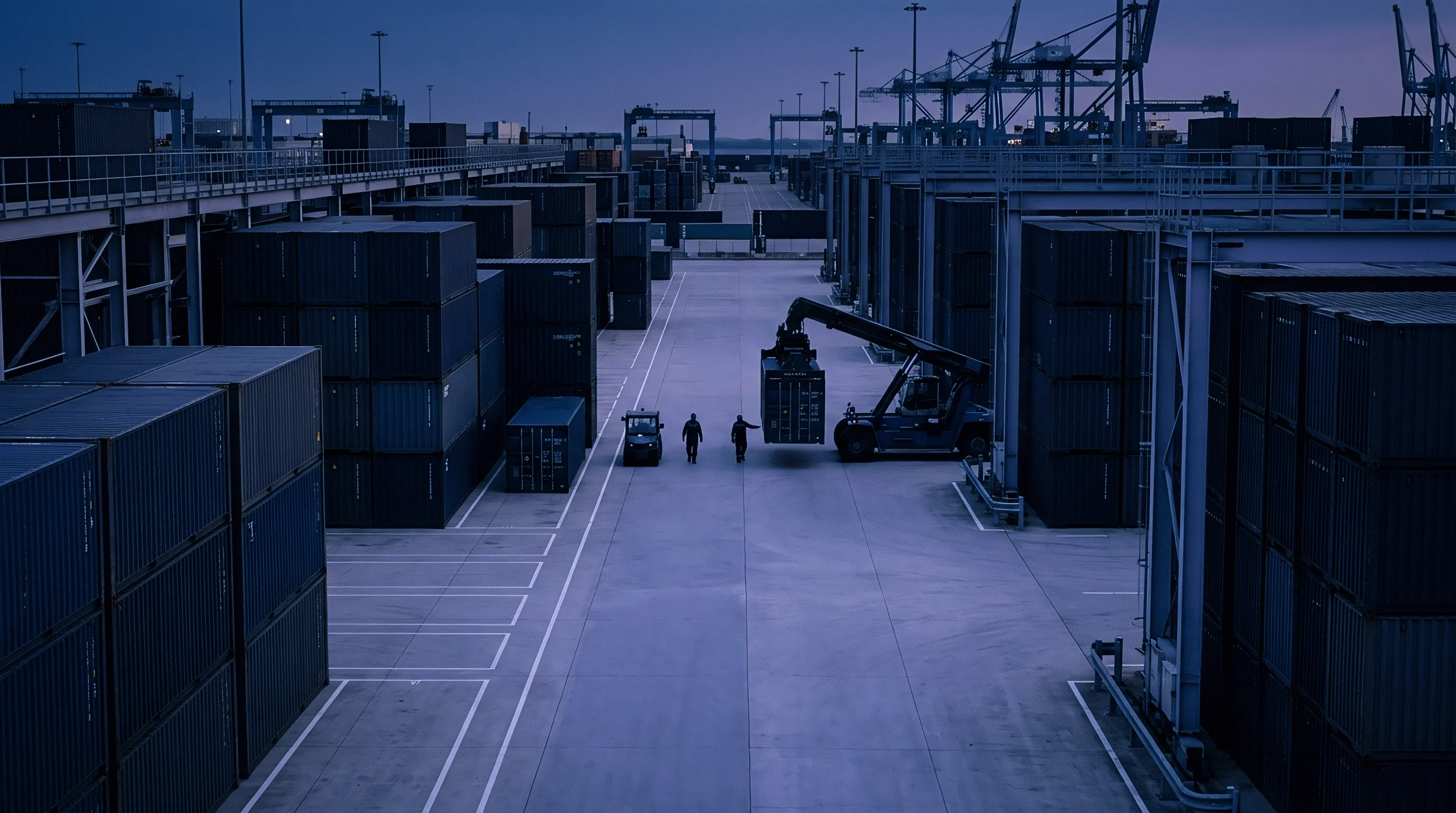
Intermodal shipping containers fill the illuminated freight terminal yard as a heavy reach stacker positions cargo between structural bays.

Context

Procurement teams expected a heavy influx of new container vessels in 2026 to offset earlier route diversions and pull spot rates back toward historical averages by Q3. Instead, shippers face rolled bookings and fresh delays, challenging assumptions about whether incoming fleet additions can buffer sudden operational bottlenecks.
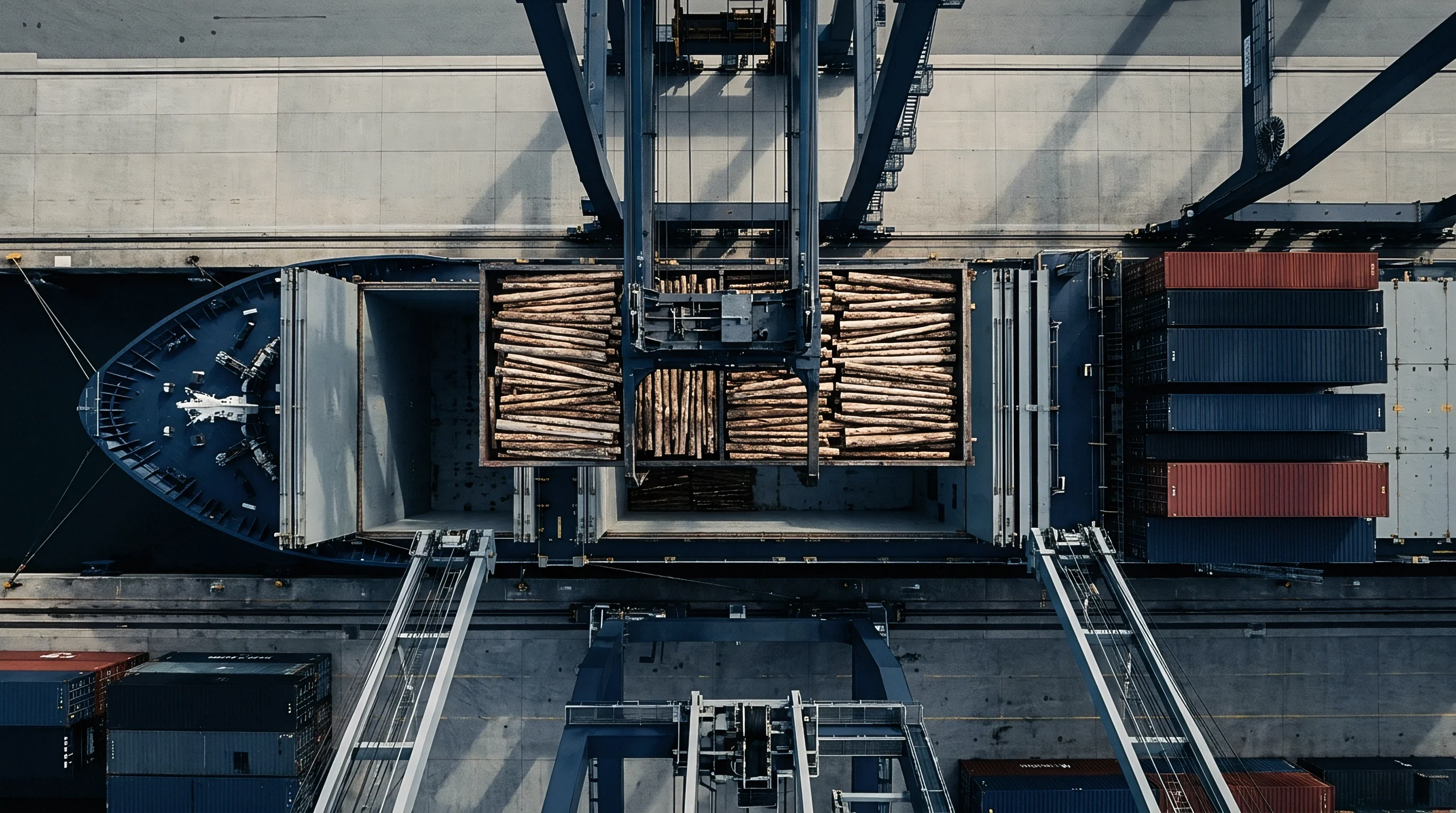
A gantry crane suspends bundles of raw timber logs above an open cargo hold of a bulk carrier docked at a concrete terminal.

Analysis

Severe weather and harbor gridlock have effectively pulled commercial tonnage out of circulation. Typhoons disrupted berthing windows across Shanghai and Ningbo, stretching wait times up to twelve days. Much like a highway accident, even brief stoppages trigger backlogs that take weeks to resolve. Because carriers are already routing vessels around the Cape of Good Hope to bypass Suez risks, operators have no spare vessels available to absorb these terminal queues. Lines are reacting by blanking sailings and skipping calls to reset pro-forma rotations ~ cutting weekly deployed capacity and giving carriers leverage to levy higher spot rates and peak-season surcharges.
A uniformed operative observes industrial pipes and storage structures from an elevated metal walkway at a chemical processing complex.

Parameters

  • Stranded Container Capacity ~ 4.31 million TEUs, the total volume currently delayed or queued for berths worldwide.
  • Global Fleet Share Stranded ~ 12.6 percent of the 34.4 million TEU global fleet, marking a severe contraction in active supply.
  • Average Port Arrival Delay ~ Five days, though queues reach up to twelve days at Shanghai’s Yangshan terminal.
  • Active Fleet Idle Ratio ~ 0.5 percent, representing just 55 inactive ships out of more than 5,400, leaving virtually no reserve capacity.
A circular industrial clock with a minimal face mounts directly onto a dark metal shipping container beneath a weathered steel beam.

Outlook

Transpacific spot rates will remain elevated over the coming weeks as Asian terminal congestion spills into the early autumn rush. Cargo owners should track weekly shifts on the Shanghai Containerized Freight Index and monitor Western Pacific weather closely. Additional storms over Chinese manufacturing hubs before current berth queues clear will tighten space further, forcing shippers to pay premium surcharges to secure equipment for year-end retail freight.
Metal extraction machinery processes a heavy cylindrical billet above stacked shipping containers inside a dim industrial freight terminal at evening.

Verdict

Shippers must avoid the volatile spot market by securing fixed-rate contracts and adding three weeks to transpacific lead times to absorb port delays.

Signal Acquired from: Linerlytica

Nomenclature

Seasonal Demand Peaks

Volume Correlation ~ Periodic fluctuations in order intake across fixed calendar intervals define the capacity strain placed on supply chain infrastructure during high utility windows.

Terminal Berth Queues

Vessel Congestion ~ Lines of commercial vessels waiting offshore at anchor outside maritime ports mark delays in accessing designated terminal docking space.

Ocean Freight Capacity

Shipping Volume ~ Total container space on active maritime vessels defines the physical limit of international trade routes within the global logistics network.

Schedule Reliability

Arrival Consistency ~ Periodic transport evaluation quantifies the variance between predetermined port arrival windows and actual vessel berthing times across oceanic freight routes to measure network stability.

Maritime Supply Chains

Logistics Infrastructure ~ Maritime supply chains represent the physical and organizational networks moving goods between international production sites and domestic consumption markets via ocean vessels.

Transpacific Trade Lanes

Freight Routing ~ Ocean corridors connecting Asian manufacturing centres with North American distribution hubs form the structural geometry known as transpacific trade lanes.

Peak Season Surcharges

Seasonal Adjustment ~ Freight carriers levy additional costs upon shippers to offset the high operational expenses occurring during periods of elevated demand across global transport networks.

Containerized Cargo Imports

Logistics Measurement ~ Maritime commerce quantifies containerized cargo imports by measuring the physical volume of standardized steel boxes arriving at national ports from international supply chains.

Container Port Congestion

Operational Throughput ~ Maritime freight infrastructure functions as a series of interconnected nodes where cargo flow faces physical limitations.

Spot Freight Rates

Market Price ~ Transactional charges for immediate cargo movement define this pricing mechanism.

Container Fleet Utilization

Operational Ratio ~ Container fleet utilization is the proportion of active cargo carrying capacity deployed in revenue service against the total nominal TEU available across a carrier network.

Marine Logistics Delays

Operational Variance ~ Unscheduled shifts in vessel arrival windows coupled with port processing bottlenecks represent a systematic friction in maritime supply chains that disrupts arrival consistency.

What the firm knows, published

Expertise is a utility, not a secret. sentiention™ publishes its working knowledge as open reference: intelligence layer covering the materials it sources, the markets it enters, and the reference that serves both.