Mexico West Coast Port Capacity Strains Rise amid Cargo Diversion

Rapid volume growth at Lazaro Cardenas stretches landside capacity and increases lead times for North American transshipment.


28.08.26 2 min

Briefing

Ocean carriers are routing more services into the Port of Lazaro Cardenas to steer clear of US port congestion, setting off landside bottlenecks that delay regional deliveries. The rerouting shifts the queue from US anchorages straight into Mexican terminal and rail operations, forcing importers to push back delivery dates by several days. Congestion at inland rail ramps and drayage depots is stalling freight, with terminal operators posting a forty percent year on year increase in container volume for the recent quarter.
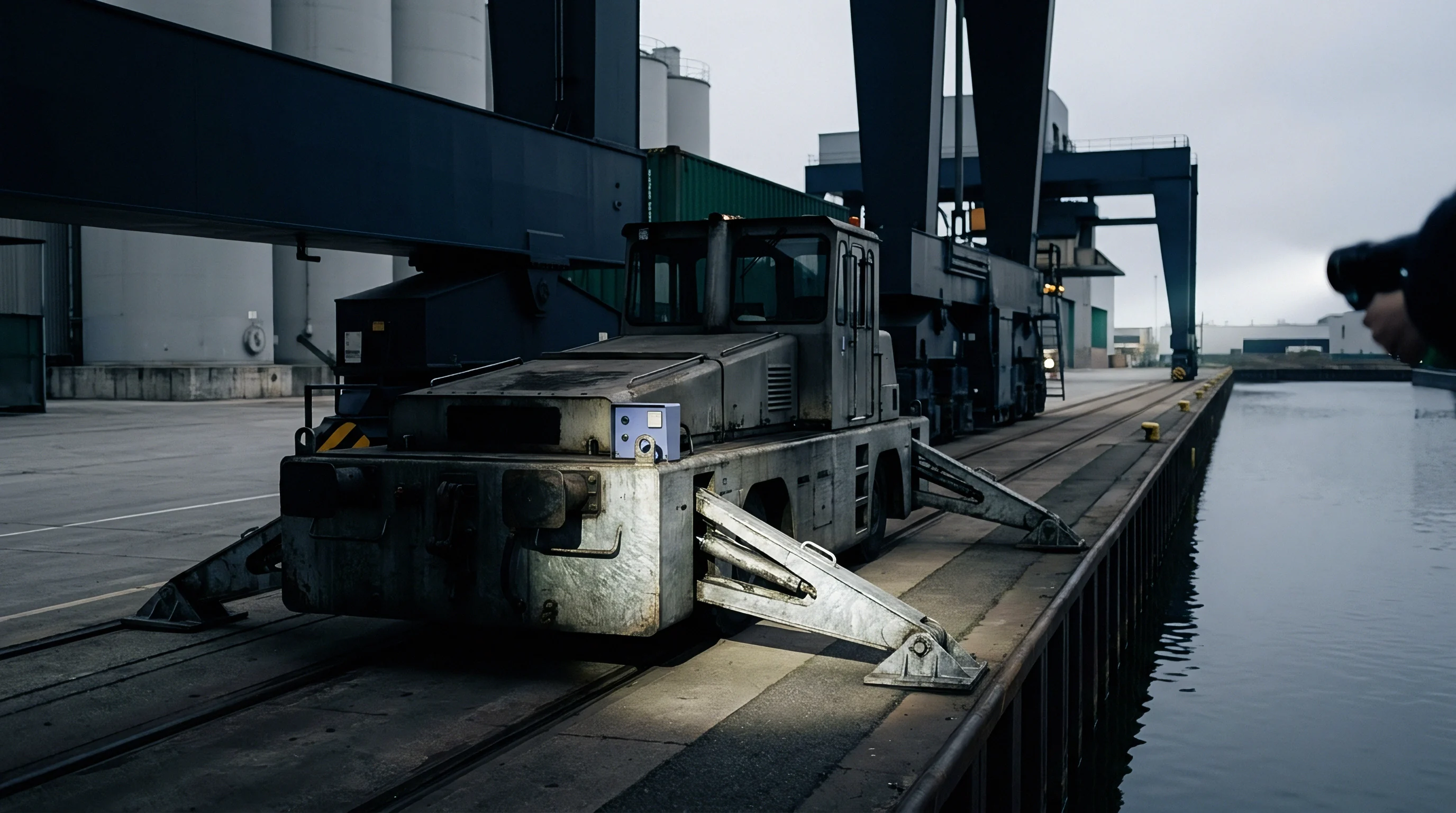
A heavy industrial rail shunting vehicle rests on tracks beside a concrete quay wall and an urban waterway at a freight terminal.

Context

Shippers long treated Mexican ports as a dependable escape hatch during US West Coast labor disputes or terminal gridlock. Logistics teams routed freight around Pacific Southwest delays assuming Mexican infrastructure had the spare capacity to handle the spillover. The operational reality now centers on whether Lazaro Cardenas and Manzanillo can maintain throughput under this sustained influx.

A tilted blue container rests beside a heavy metallic mooring cleat amid scattered raw material fragments on a dark industrial floor.

Analysis

Inbound container flows have outpaced terminal rail capacity and ground storage. Cranes still work ships at standard speeds, but moving containers out through the gate by rail or drayage is failing. High yard density forces extra box reshuffling, slowing retrievals for truck drivers and driving dwell times to ten days against a baseline of five. Downstream, the friction translates directly into demurrage bills and missed intermodal connections as surge volumes collide with fixed gate shifts.
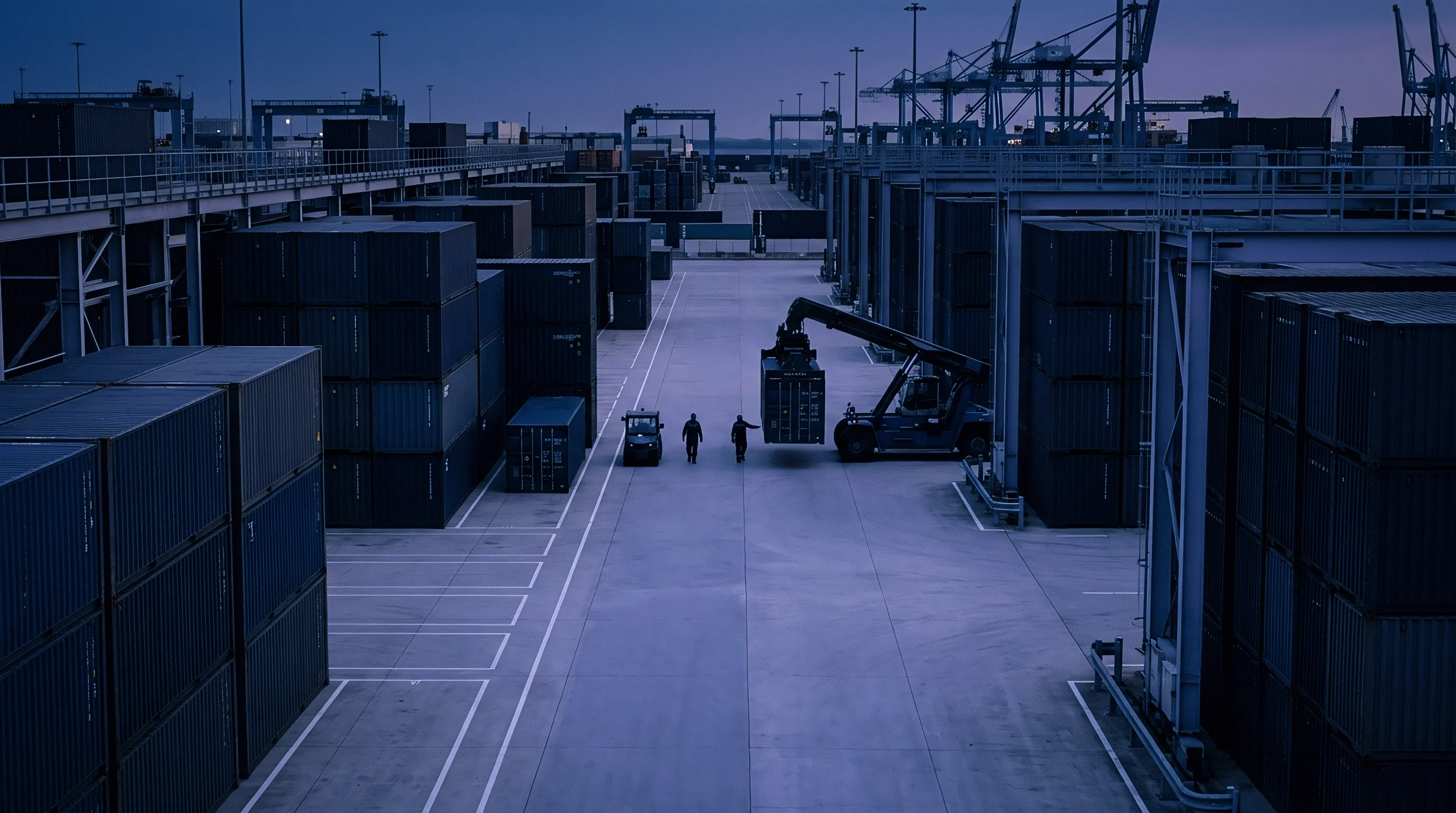
Intermodal shipping containers fill the illuminated freight terminal yard as a heavy reach stacker positions cargo between structural bays.

Parameters

  • Volume Surge ~ 40 percent year on year growth in throughput at Lazaro Cardenas terminals.
  • Container Dwell Time ~ 10 days average storage time before inland pickup, up from a baseline of 5 days.
  • Truck Turnaround ~ 3 hours average time for drayage operators to enter and exit the facility.
  • Daily Train Departures ~ 4 fixed daily intermodal slots currently operating at maximum car capacity.
A circular industrial clock with a minimal face mounts directly onto a dark metal shipping container beneath a weathered steel beam.

Outlook

Inventory managers should plan for these rail and yard bottlenecks to run through the upcoming contract quarter. Terminal automation projects and siding expansions are in progress, but meaningful capacity additions remain months away. Monitoring weekly dwell indices at Mexico West Coast ports remains critical: average dwell crossing twelve days indicates freight is blowing past normal buffer windows, warranting direct truck diversions to keep plants supplied.

An illuminated data display module containing ascending wooden height blocks stands on a concrete industrial lock platform above dark water channels.

Verdict

Professional buyers should add five business days to lead time estimates for cargo moving through Mexico West Coast ports to offset yard congestion and intermodal shortages.

Signal Acquired from: Journal of Commerce

Nomenclature

Vessel Dwell Time

Port Duration ~ Maritime metrics that measure the total time a ship remains at a berth or in a port area track the efficiency of maritime cargo handling.

Supply Chain Strategy

Operational Blueprint ~ Management frameworks that define how an organization buys and delivers products to the end user establish the long term direction for logistics operations.

Nearshoring Trends

Sourcing Relocation ~ Economic shifts that involve moving production or assembly facilities closer to the final consumer market define a transition in global supply chain design.

Cargo Processing Speed

Throughput Measurement ~ Freight terminal throughput relies on cargo processing speed to quantify how quickly containerized or bulk materials clear customs clearance gates and transfer equipment stages.

Maritime Traffic Density

Vessel Concentration ~ Geographic measures that quantify the number of ships occupying or passing through a specific area of the ocean over a set period indicate the utilization of sea lanes.

Intermodal Logistics

Modal Coordination ~ Freight movement across multiple carrier types depends upon intermodal logistics to transfer standard containers between ships, trains and trucks without unloading internal cargo.

Ocean Freight Optimization

Route Mechanics ~ Ocean freight optimization is the systematic adjustment of maritime logistics variables to minimize transit costs while meeting delivery windows.

Logistics Hub Development

Physical Expansion ~ Industrial real estate construction focused on freight consolidation facilities requires specific site selections near arterial highway exchanges.

Inland Haulage Efficiency

Operational Rate ~ Freight metrics that track the speed and cost of moving freight from a port or border to an interior destination define the productivity of a domestic transport network.

Regional Distribution Hubs

Centralized Node ~ Logistical facilities situated at strategic points within a transport network consolidate and redistribute goods to a specific geographic area.

Terminal Productivity

Berth Output ~ Crane velocity over quay frontage defines terminal productivity when calculated as gross moves per hour per gantry crane actually working ships at berth.

Custom Clearance Delays

Border Friction ~ Custom clearance delays constitute a regulatory liability within international trade because official document verification stalls cargo movement across jurisdictional boundaries.

What the firm knows, published

Expertise is a utility, not a secret. sentiention™ publishes its working knowledge as open reference: intelligence layer covering the materials it sources, the markets it enters, and the reference that serves both.