New Express Ocean Service Provides Cheaper Alternative to Air Freight

DP World's new Express LCL service cuts door-to-door transits to under 24 days, allowing buyers to bypass expensive air cargo.


29.08.26 2 min

Briefing

DP World has introduced two expedited less-than-container load services on major trade lanes ahead of peak shipping season, positioning them as a lower-cost alternative to air cargo. The weekly sailings connect dedicated consolidation hubs directly with fast inland trucking to commercial delivery addresses, bringing door-to-door transit times down to as few as 16 days.

Heavy machinery spare parts and sorted hand tools rest on a dark metal workbench inside a production facility.

Context

Procurement teams had been bracing for a volatile shipping season shaped by rising ocean rates and tight vessel space. Shippers worried that moving urgent, smaller consignments would force them onto expensive air freight spot markets, putting immediate pressure on logistics budgets.

Hands operate a portable diagnostic instrument against a metal column inside a large industrial facility where multiple semi-trailer trucks are parked.

Analysis

The express routes target the wide pricing spread between standard ocean freight and air cargo. Conventional ocean shipping leaves cargo owners either waiting to fill whole containers or absorbing long transit times across multiple transfer points. By grouping smaller freight at dedicated facilities and linking priority ocean legs with pre-booked inland drayage, the model bypasses routine terminal congestion on both ends. This allows buyers to run smaller replenishment orders on predictable weekly timetables without paying air cargo premiums.
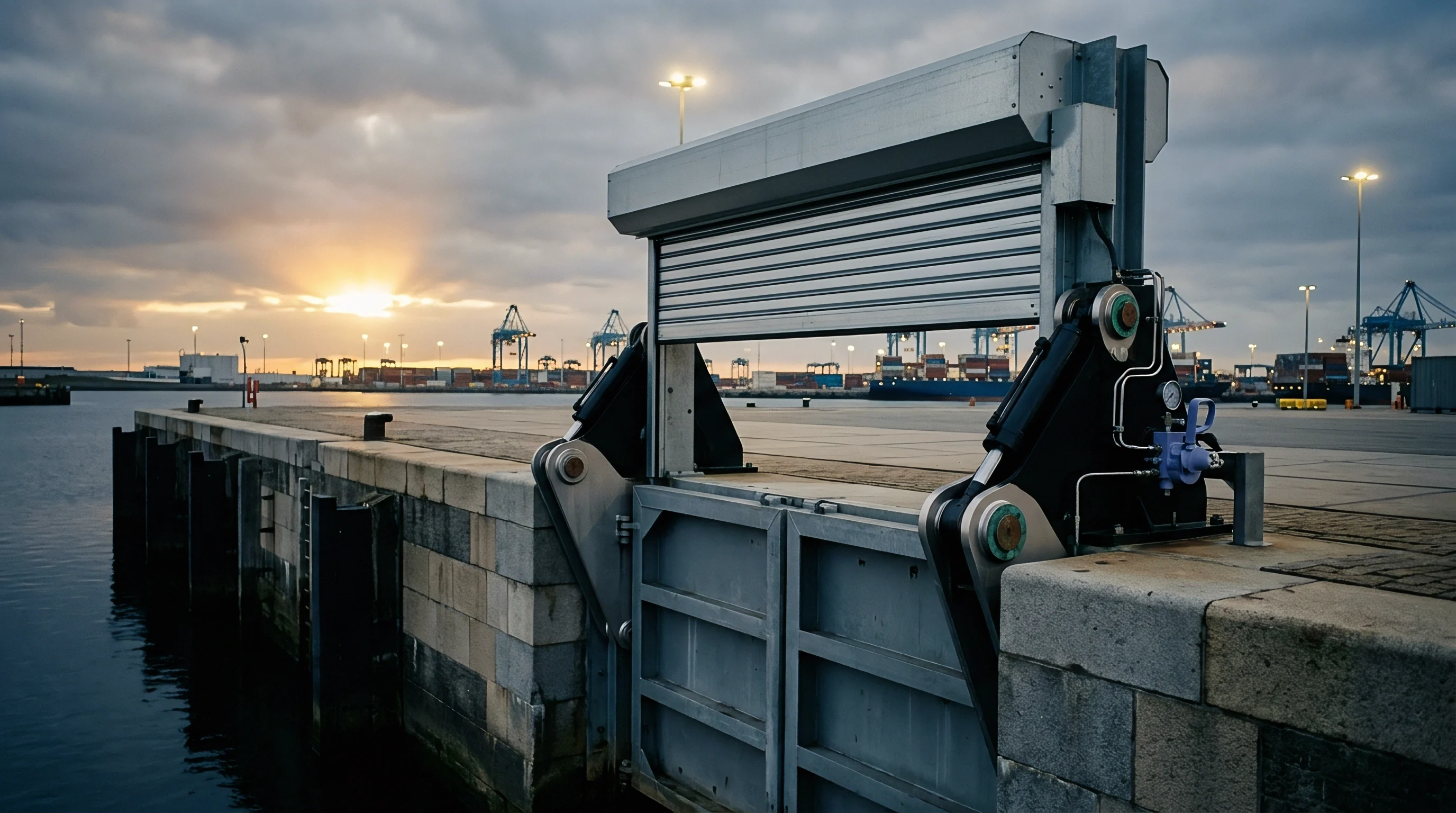
A large steel hydraulic barrier stands open on a stone concrete pier with shipping cranes and freight containers in the distance.

Parameters

  • Asia-US door-to-door speed ~ 16 to 24 days for shipments moving from key Asian manufacturing hubs to American addresses.
  • Europe-US door-to-door speed ~ 18 to 24 days for deliveries in either direction between European hubs and US gateways.
  • Departure interval ~ Weekly scheduled departures across all designated consolidation facilities.

A polished metal sampling ladle rests beside a textured jute sack on the dark console of a maritime navigation bridge.

Outlook

As the peak shipping season runs into autumn, performance will largely depend on vessel schedule integrity and port labor stability. Buyers should watch air cargo spot pricing over the coming weeks; if air rates remain elevated, demand for priority ocean transport will climb and likely push competing forwarders to launch similar expedited consolidation services.

Reddish mineral aggregates spill from a concrete and steel retaining structure onto a snow covered industrial yard near rail tracks and shipping containers.

Verdict

Buyers of time-sensitive, low-volume cargo should shift priority shipments to expedited ocean services to avoid steep peak-season air freight costs.

Signal Acquired from: DP World

Nomenclature

Priority Ocean Shipping

Operational Provision ~ Priority ocean shipping designates a specialized freight classification where containers gain front-line status during terminal unloading and vessel berthing schedules.

Peak Season Shipping

Logistical Cycle ~ High demand volume within international transport networks dictates a predictable surge in freight movement that occupies specific calendar windows.

Air Cargo Alternative

Transport Mode ~ Logistic options involving rail, sea, road, or barge transport provide a substitute for high-speed aviation when speed requirements permit longer transit times.

Consolidation Services

Freight Aggregation ~ Multiple small consignments occupy one shared container space to reduce individual shipping costs across transit routes.

Container Logistics

Intermodal Transport ~ Coordinated maritime, rail, and trucking operations govern the physical repositioning and handling of standardized freight boxes worldwide.

Freight Procurement

Vendor Selection ~ Cargo capacity sourcing identifies the specific negotiation and contracting actions undertaken by organizations to secure external transportation services for the movement of goods through global supply chains.

Less than Container Load

Shared Shipment ~ Maritime transport arrangements where multiple shippers share the space of a single ocean container allow for the cost-effective movement of small volumes.

Maritime Supply Chain

Ocean Network ~ Global infrastructure comprising ports, vessels, and shipping lanes facilitates the movement of the vast majority of international trade.

Ocean Freight Rates

Market Pricing ~ Base cargo transportation costs constitute a dynamic valuation metric determined by the available vessel capacity and the total volume of goods awaiting international transit between major maritime hubs.

Trade Lane Management

Route Optimization ~ Strategic oversight of specific shipping corridors ensures that goods move through the most efficient and cost-effective paths across the globe.

Freight Forwarder Services

Logistics Agency ~ Intermediary operations that coordinate the movement of goods between producers and final destinations manage the complexities of international trade.

Cargo Expedited Delivery

Fulfillment Speed ~ Priority transport services ensure that urgent freight bypasses standard transit schedules to reach its destination within a guaranteed window.

What the firm knows, published

Expertise is a utility, not a secret. sentiention™ publishes its working knowledge as open reference: intelligence layer covering the materials it sources, the markets it enters, and the reference that serves both.