North European Port Congestion Swallows Vessel Capacity and Delays Transatlantic Shipments

Vessel delays in Northern Europe eat transatlantic shipping capacity and force buyers to adjust lead times

27.08.26 2 min

Briefing

Heavy vessel delays across key Northern European ports are locking up container capacity and causing ripple effects along transatlantic supply chains. As ocean carriers skip port calls to recover lost time, procurement teams need to extend lead time buffers in their order books. The congestion currently absorbs five percent of global deep-sea shipping capacity, representing 1.7 million twenty-foot equivalent units.

A polished steel industrial pressure vessel featuring a heavy manual control valve sits staged within an active construction facility yard.

Context

Heading into the third quarter of 2026, procurement desks were tracking spot rate shifts and preparing for the winter peak, expecting a surge of new vessel deliveries to absorb minor delays. Buyers were watching to see whether this fleet expansion would deliver a sustained drop in ocean freight rates.
A heavy gantry crane suspends a painted steel tugboat above a concrete terminal surrounded by shipping containers at dusk.

Analysis

The lost capacity stems directly from long anchorage waits outside major hubs like Rotterdam and Antwerp. Ships arriving late in Europe miss their scheduled departure windows for the return leg to North America. To reset timetables, carriers cancel sailings or bypass ports entirely, cutting available space and leaving containers stranded on the dock.

These structural delays leave the transatlantic trade bearing the brunt of the capacity crunch.
A wrapped roll of industrial insulation material rests on a wooden loading platform beside a dark cargo vessel at night.

Parameters

  • Capacity drain from delays ~ 1.7 million TEUs tied up globally by port delays.
  • Fleet capacity loss ~ 5 percent of the global container fleet absorbed by persistent delays.
  • Transatlantic schedule reliability ~ 28 percent of container services from Northern Europe to the US East Coast arrived on time in July 2026.
  • Average vessel arrival delay ~ 5.3 days behind schedule for delayed ships.
A digital render shows an industrial crane lifting a model cargo vessel between towering steel shipping containers inside a dark terminal warehouse.

Outlook

Tight vessel space and volatile lead times will persist through the third quarter of 2026. Procurement desks should monitor the monthly Sea-Intelligence schedule reliability index, where a move above sixty percent will signal that port backlogs are clearing and transit times are stabilizing.
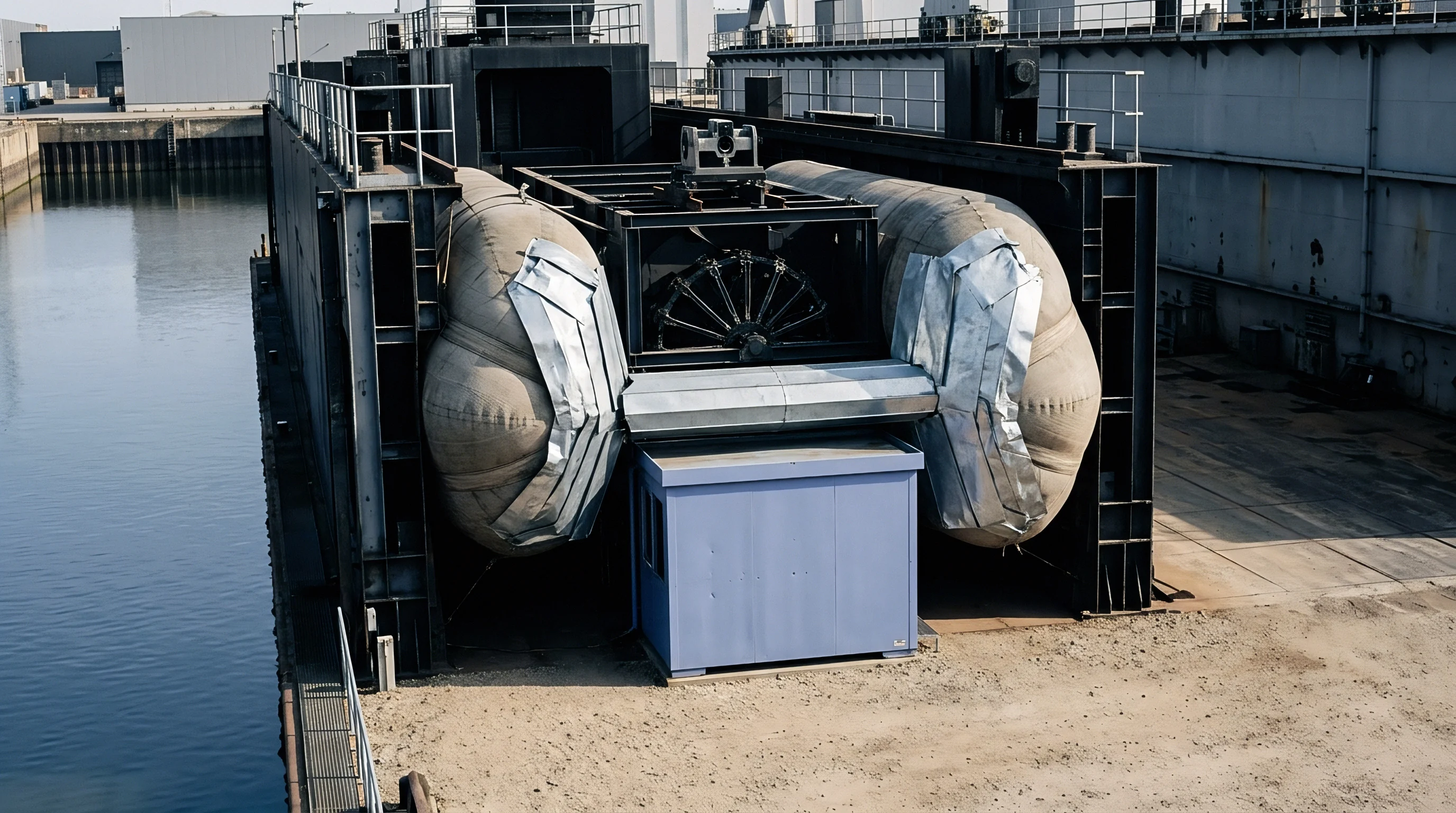
Heavy pneumatic rollers wrapped in protective sheeting sit within a structural steel dry dock adjacent to calm basin waters.

Verdict

Buyers must increase transit buffers on transatlantic routes by at least six days to protect supply chains against severe North European port congestion.

Signal Acquired from: Trans.INFO

Nomenclature

Transit Delay Risk

Freight Variable ~ Quantitative volatility measurement defines the probability that a specific shipment arrival deviates from the projected calendar window due to external operational friction.

Container Shipping

Freight Methodology ~ Standardized modular transport utilizes intermodal metal units to move goods across global trade routes.

Lead Time Volatility

Schedule Uncertainty ~ Fluctuations in the total elapsed time between placing a purchase order and receiving the physical goods create operational challenges for manufacturers and retailers.

Vessel Delays

Schedule Disruption ~ Deviations from published arrival and departure schedules occur when merchant ships are held up by operational, weather, or port-related issues.

Ocean Freight Capacity

Shipping Volume ~ Total container space on active maritime vessels defines the physical limit of international trade routes within the global logistics network.

Transatlantic Shipping

Transit Corridors ~ Ocean freight movement between European origins and North American destinations constitutes transatlantic shipping, establishing the primary maritime trade axis for industrial goods and bulk commodities.

Carrier Capacity Management

Strategic Allocation ~ Fleet utilization strategies determine how transport providers allocate and control the cargo space available on their active vessels.

Port Congestion

Systemic Bottleneck ~ Marine transit interruption occurs when vessel arrival volume exceeds the capacity of terminal infrastructure to process cargo, leading to extended wait times at anchorage or within berths.

Northern Europe Logistics

Regional Framework ~ Maritime movement through Baltic and North Sea corridors defines a specialized geographic segment of trade where distinct weather conditions and strict regulatory frameworks govern the transit of freight between high-latitude industrial centers.

Blank Sailings

Service Withdrawal ~ The intentional cancellation of scheduled ocean transport services allows carriers to manage vessel capacity and stabilize freight rates during periods of low demand.

Deep Sea Container

Intermodal Equipment ~ Standardized steel shipping units designed for long-haul maritime transport endure severe structural loads across transoceanic vessel routes.

Supply Chain Reliability

Operational Predictability ~ Logistics performance remains defined by the consistency of movement from procurement through final delivery within an established temporal window.

What the firm knows, published

Expertise is a utility, not a secret. sentiention™ publishes its working knowledge as open reference: intelligence layer covering the materials it sources, the markets it enters, and the reference that serves both.