Rising Hub Congestion in Colombo Delays Indian Subcontinent Sourcing Cycles

Persistent vessel berthing delays in Colombo increase transit times and trigger new carrier surcharges for regional cargo moves.

30.08.26 2 min

Briefing

Berthing delays at the Port of Colombo are pushing transshipment volume across the region and raising costs on goods moving through the Indian Subcontinent. The logjam leaves buyers facing longer inventory lead times while feeder ships wait for terminal slots. In response, carriers are adding emergency congestion fees and adjusting schedules to manage operating expenses. Supply chain managers face clear delays moving garments and electronics from regional factories to consumer markets. Average waiting time at anchorage is currently four days.

A person in a white linen shirt rests bare arms on a dark metal shuttered barrier inside an industrial facility.

Context

Procurement desks previously relied on Colombo as a fast, predictable hub for Indian exports. Most buyers assumed transshipment times would hold steady following recent equipment upgrades at South Asia Gateway Terminals. The core question was whether regional volume shifts would overwhelm terminal capacity before the next expansion phase.
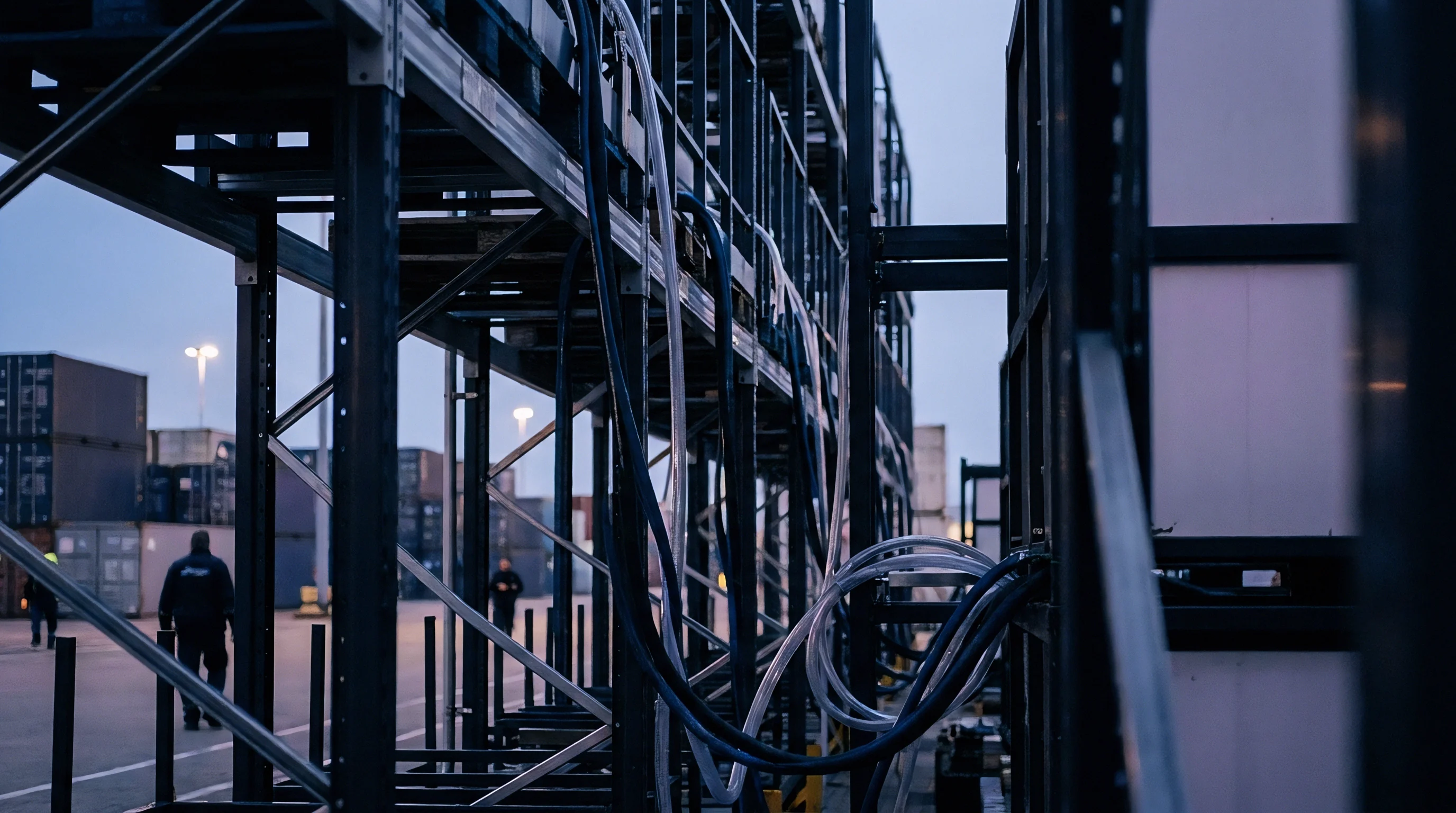
Heavy steel storage frameworks and flexible industrial conduits fill an outdoor freight terminal yard containing stacked shipping containers under twilight skies.

Analysis

The bottleneck stems from heavy vessel arrivals colliding with limited yard space. When main-line deep-sea ships arrive at the same time, terminal operators berth them first, leaving smaller regional feeders in line. That pressure cascades down the chain through missed connections: containerized freight from an Indian factory misses its planned deep-sea departure because the feeder vessel cannot berth. Each missed connection forces a seven-day wait for the next loop, doubling local storage costs and working capital tied up in inventory.
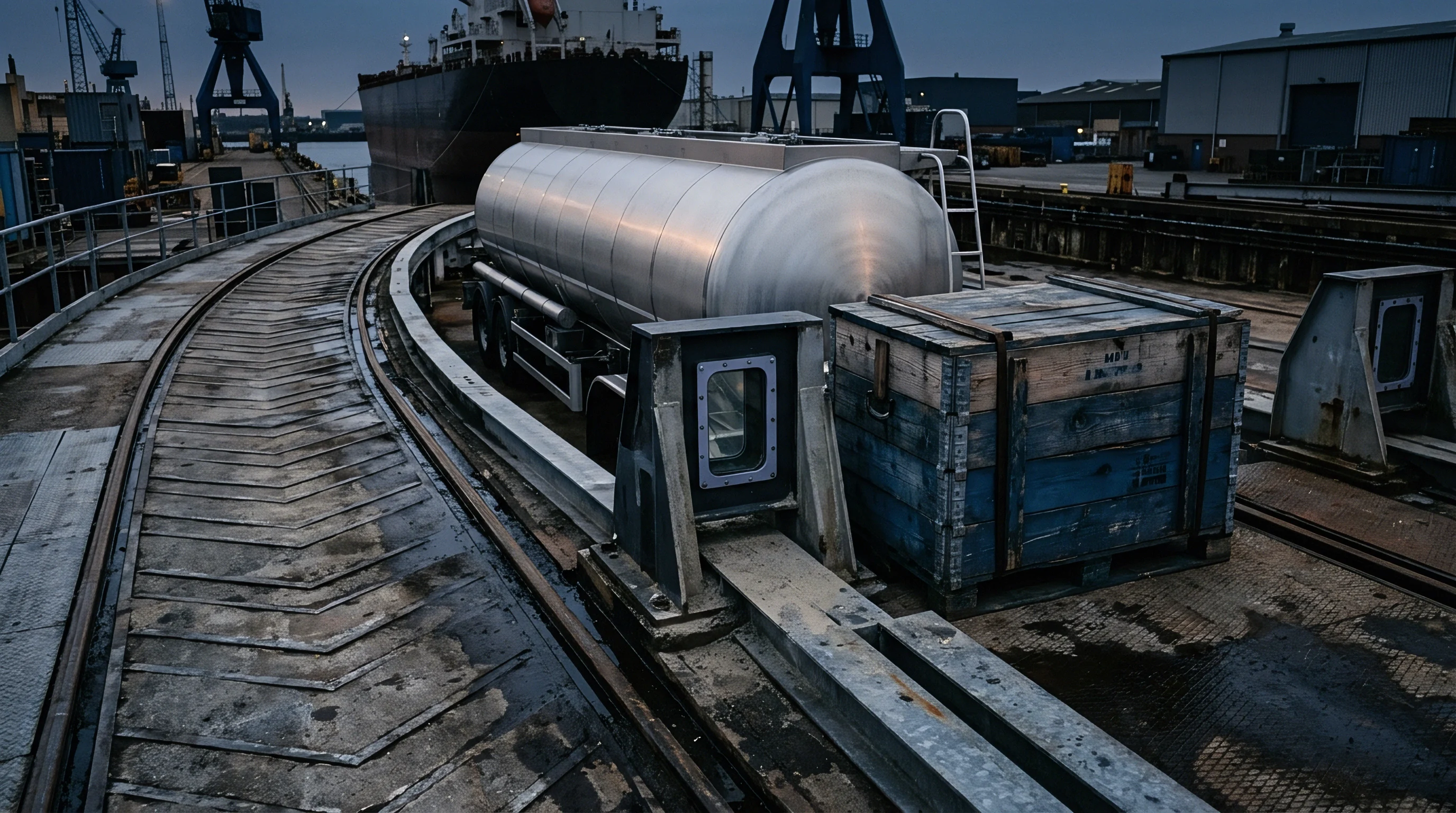
A stainless steel tanker and wooden cargo crate rest on industrial rail tracks inside a coastal shipping terminal during evening twilight.

Parameters

  • Waiting Time ~ Container vessels currently wait 4 days at anchorage before securing a berth.
  • Missed Connection Rate ~ 15 percent of feeder boxes miss their primary export windows due to arrival sequencing.
  • Congestion Surcharge ~ 150 dollars per TEU is the typical fee applied by several regional carriers for Indian Ocean transshipments.
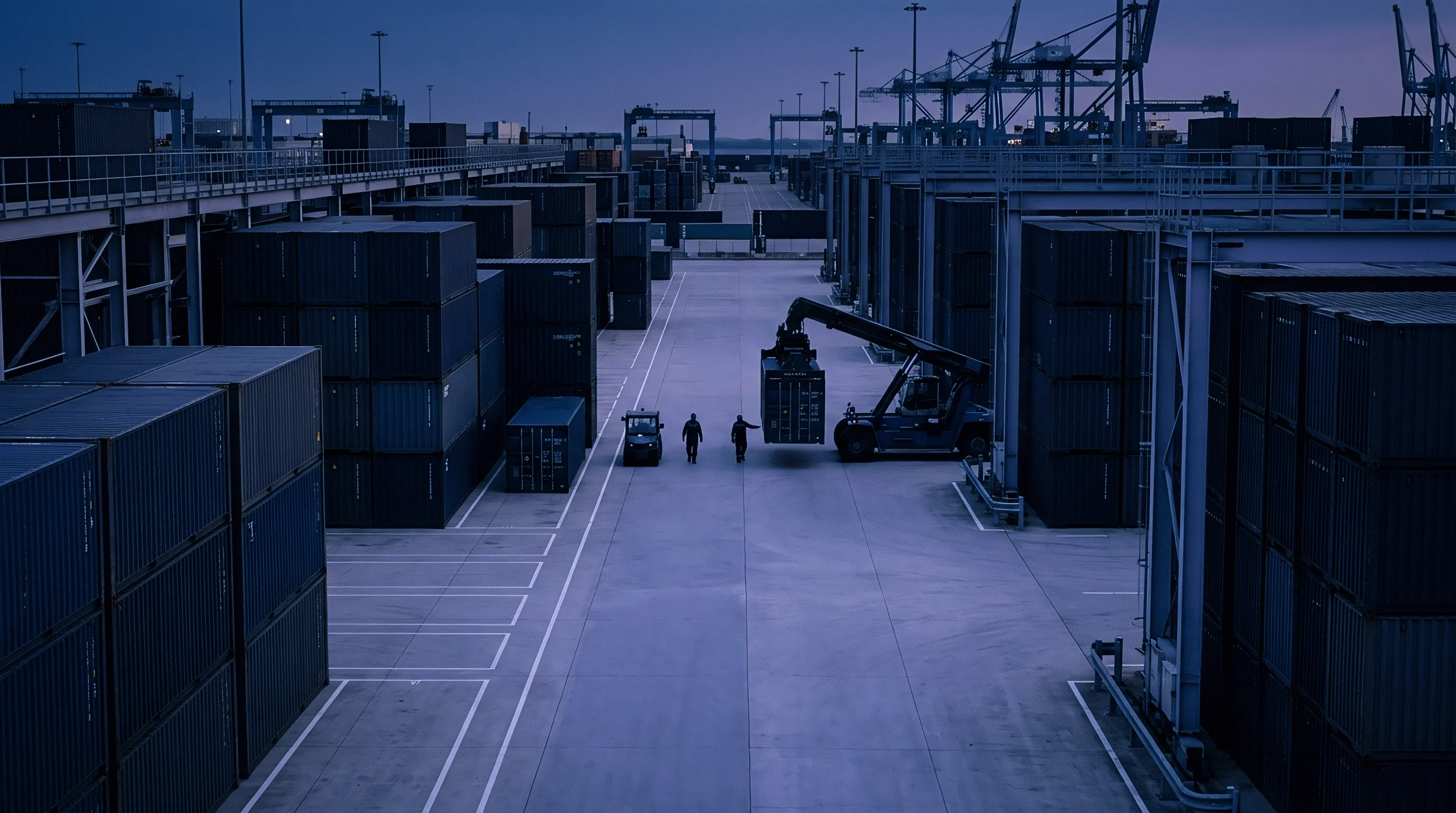
Intermodal shipping containers fill the illuminated freight terminal yard as a heavy reach stacker positions cargo between structural bays.

Outlook

Buyers should expect these delays to persist through next quarter as peak seasonal volumes arrive. Pressure will ease if yard utilization drops below 80 percent, allowing terminal crews to shuffle containers more efficiently. The key operational metric to watch is the weekly terminal productivity report from the Sri Lanka Ports Authority, where higher crane moves per hour will signal that the backlog is clearing.
Heavy structural steel beams and cast concrete blocks rest on a warehouse floor near a blue divider and louvered metal partitions.

Verdict

Professional buyers should add seven days of safety buffer to all transit estimates for cargo routing through Sri Lanka to avoid stockouts.

Signal Acquired from: Lloyds List

Nomenclature

Cargo Dwell Times

Terminal Detention ~ Storage durations at transportation hubs represent the period that freight remains in a terminal after being unloaded and before being collected for the next leg of its journey.

Indian Trade Lanes

Shipping Corridor ~ Navigational shipping routes connecting South Asian container terminals and bulk material ports to global commercial hubs facilitate international merchandise trade across eastern and western hemispheres.

Regional Feeder Services

Transport Linkage ~ Short-sea maritime transport networks relay containerized cargo between small regional outports and major deep-water ocean transshipment hubs.

Sourcing Cycles

Procurement Cadence ~ Operational timelines define sourcing cycles as the repetitive span between the identification of a material requirement and the receipt of ordered inventory.

Carrier Surcharges

Additional Recovery ~ Administrative cost mechanisms recover operational expenses that fluctuate outside base freight agreements.

Container Logistics

Intermodal Transport ~ Coordinated maritime, rail, and trucking operations govern the physical repositioning and handling of standardized freight boxes worldwide.

Port Productivity

Operational Measurement ~ Performance metrics measuring cargo handling throughput per unit of time quantify operational efficiency at marine container and bulk terminals.

Hub Operations

Physical Consolidation ~ Industrial logistics relies on consolidation centers where incoming freight from disparate origins meets outgoing transport bound for shared destinations.

Transshipment

Cargo Transfer ~ Physical movement of containerized freight between two separate vessels occurs when structural damage or draft limitations prevent a carrier from completing a single voyage without interruption.

Berthing Delays

Operational Frequency ~ Port congestion measurement requires tracking berthing delays as the primary quantitative indicator of terminal efficiency.

What the firm knows, published

Expertise is a utility, not a secret. sentiention™ publishes its working knowledge as open reference: intelligence layer covering the materials it sources, the markets it enters, and the reference that serves both.