Rising Coal and Gas Benchmarks Force Higher Industrial Energy Budgets

Escalating thermal coal and gas benchmarks are raising electricity and processing costs for energy-intensive manufacturing.

03.09.26 2 min

Briefing

Logistics failures in South Africa, low river levels in Indonesia, and climbing European gas benchmarks have pushed global thermal coal prices higher, leaving industrial buyers to absorb steeper electricity and steam generation surcharges. Tightness across both coal and gas leaves manufacturing and processing plants in Europe and Asia with few switching options, eroding margins on prompt-delivery goods. European thermal coal has reached 133 USD per tonne, setting a higher price floor across energy-intensive sectors.

A miniature steel electricity pylon model connects via thin filaments to a dark mineral lump resting inside an industrial workshop.

Context

Buyers were watching for fuel markets to settle once peak summer cooling demand eased. The question for procurement desks was whether rising Asian industrial demand and European seasonal stocking could be met without friction, or if supply snarls would trigger a price run-up well before winter.

A man in a dark jacket discusses industrial control units and ventilation system ducting on an industrial platform at night.

Analysis

An August 21 train derailment cut both rail lines into South Africa’s Richards Bay Coal Terminal, choking off inbound deliveries and reducing port stockpiles by nearly 10 percent. In Indonesia, shallow water on the Barito River halted barge movements, prompting multiple producers to declare force majeure while administrative delays in government quota approvals stalled cargo clearance. When physical coal flows back up, demand shifts straight into liquefied natural gas, lifting European benchmarks and power tariffs with them. Even if a manufacturer does not fire coal directly, its local utilities do, and those higher generation expenses soon show up downstream as variable processing surcharges.

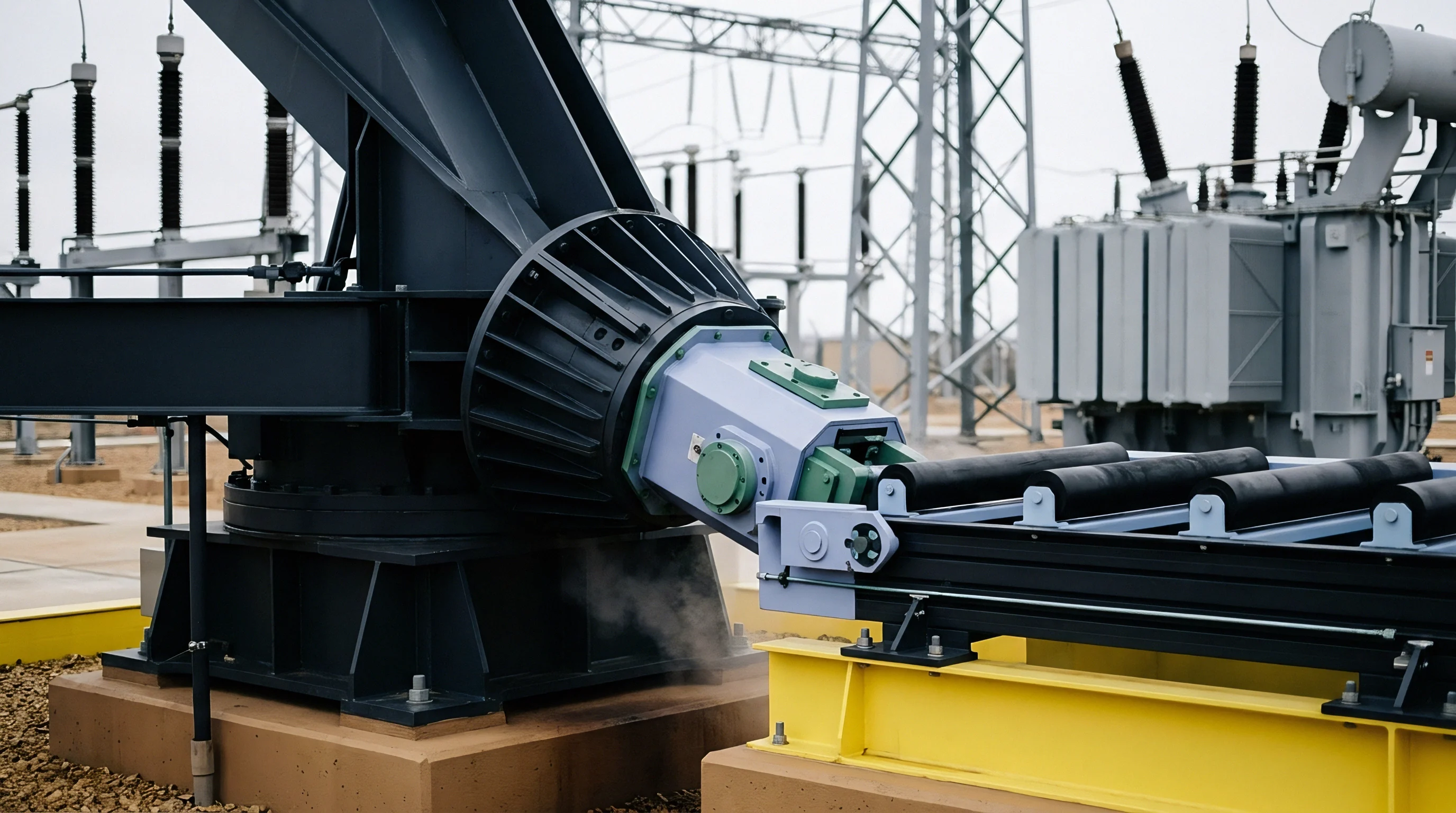
Industrial technicians examine heavy electrical cables and suspension insulators along concrete walkways inside an outdoor utility substation yard.

Parameters

  • European thermal coal ~ Rose to 133 USD per tonne as gas prices and supply risks escalated.
  • Richards Bay stockpile decline ~ Fell nearly 10 percent to 3.83 million tonnes due to a rail derailment.
  • TTF natural gas ~ Gained 6.3 percent week-over-week to 821.96 USD per thousand cubic meters, limiting energy-substitution benefits.
  • Australian thermal coal ~ Surpassed 137 USD per tonne, fueled by Northeast Asian demand and Indonesian supply doubts.
  • Indonesian cargo premium ~ Prompt September-loading cargoes traded up to 71 USD per tonne FOB Kalimantan.

An illustration features a wooden gavel on a circular sound block surrounded by raw timber sections, steel components, ceramic parts, and quartz minerals.

Outlook

Industrial energy costs are set to stay high over the coming weeks while facilities attempt to rebuild winter stockpiles. Barito River water-level updates and the rate of Indonesian quota clearances remain the main indicators for when barge transport recovers and prompt-delivery premiums soften.

Digital render shows gray concrete blocks supporting a server enclosure, a diagnostic testing unit, and a metal exhaust stack under overcast skies.

Verdict

Industrial buyers must prepare for higher variable energy surcharges on processed commodities and secure prompt fuel deliveries before winter restocking intensifies.

Signal Acquired from: Shanghai Metals Market

Nomenclature

Import Costs

Landed Expenditure ~ Total landed financial outlays incurred during the cross-border movement of commercial merchandise define the complete expense of acquiring foreign goods.

Natural Gas Prices

Market Valuation ~ Spot settlements and futures contracts establish natural gas prices across physical trading hubs and pipeline injection points on a daily basis.

Logistics Disruptions

Systemic Instability ~ Network friction within global supply chains defines logistics disruptions.

Energy Commodities

Spot Market Valuation ~ Traded units of physical power and combustible feedstocks establish global price benchmarks across heavy industry.

Force Majeure

Contractual Exemption ~ Unforeseen external events beyond the control of signing parties allow for the suspension of performance obligations without incurring liability under the concept of force majeure.

Thermal Coal

Thermal Grading ~ High-calorific rock sold for power generation represents thermal coal, a carboniferous commodity priced by its specific heat output and volatile matter content.

Raw Materials

Primary Inputs ~ Unprocessed mineral ores, agricultural yields, unrefined hydrocarbons, and basic chemical substances extracted from natural reserves or primary harvesting operations form the foundational inputs for manufacturing.

Coal Benchmarks

Reference Price ~ Spot prices for specific thermal or metallurgical fuel grades provide a market valuation against which contracts settle.

Global Supply Chain

Network Velocity ~ Physical movement across international borders depends on scheduled connections between maritime vessels, rail corridors and cargo flights.

Industrial Energy Procurement

Power Portfolio ~ Heavy manufacturing operations secure electrical supply through structured bilateral contracts negotiated directly with generators rather than relying on volatile spot markets.

What the firm knows, published

Expertise is a utility, not a secret. sentiention™ publishes its working knowledge as open reference: intelligence layer covering the materials it sources, the markets it enters, and the reference that serves both.