China Praseodymium Neodymium Output Curbs Drive Magnet Feedstock Price Increases

Production quotas and Myanmar mine closures raise rare earth oxide costs six percent forcing magnet contract price increases.

30.08.26 2 min

Briefing

Reduced output from northern Chinese mines and environmental pauses at Myanmar extraction sites pushed global praseodymium-neodymium oxide prices up 6 percent last month. That increase lifts landed costs for finished permanent magnets used in high-efficiency motors and automotive components, prompting suppliers to adjust quarterly quotes. Spot praseodymium-neodymium oxide reached 415000 yuan per metric ton during the latest trading session.

A series of wooden enclosures housing metallic fist shaped levers align along a dark corridor connected by a thick central conduit.

Context

Procurement desks had expected continued price stability following an extended stretch of high supply and weak demand. Market participants were watching Chinese production quotas for signs of the structural surplus that had previously kept prices down.

Crushed wood biomass rests beside a metal rack holding sequential glass vials filled with dark amber extraction liquids on a tabletop.

Analysis

Refining operations face multiple constraints that are tightening the physical supply of key magnet materials. Sichuan mining sites slowed to meet environmental compliance protocols, while conflict near the Chinese border halted transit routes for Myanmar carbonate ores. With raw feed restricted, refinery output has dropped, forcing magnet producers onto spot markets to cover existing orders. That bidding pushes prices higher across the processing chain from oxide to finished alloy, with suppliers passing costs along through monthly indexed contracts or direct price adjustments.
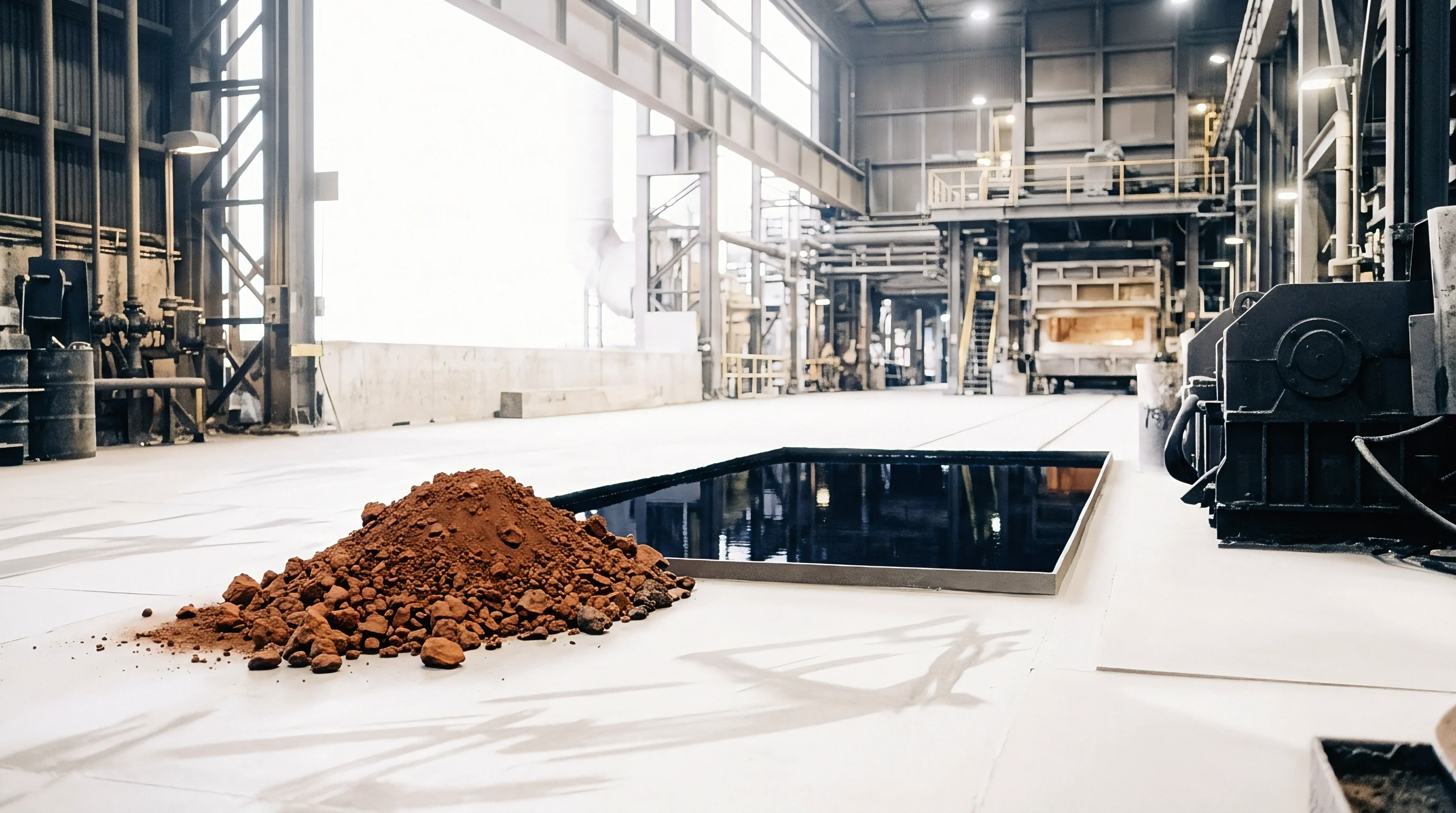
Raw ore sits on the concrete floor of a heavy industrial manufacturing facility next to a dark liquid quenching bath.

Parameters

  • PrNd Oxide Spot Price ~ 415000 yuan per metric ton, representing the highest level observed in five months.
  • Monthly Increase ~ 6 percent, reflecting a rapid shift in material availability following export reductions.
  • Myanmar Border Volume ~ 50 percent reduction in raw ore shipments due to logistical and political disruptions.

Polymer beads and layered insulation panels rest on a concrete warehouse floor beside industrial steel framing during raw material sorting.

Outlook

Sourcing teams should monitor the upcoming release of the second batch of mining quotas from the Chinese Ministry of Industry and Information Technology. A limited increase in allowed production will signal a sustained high-price environment for magnets into the fourth quarter.
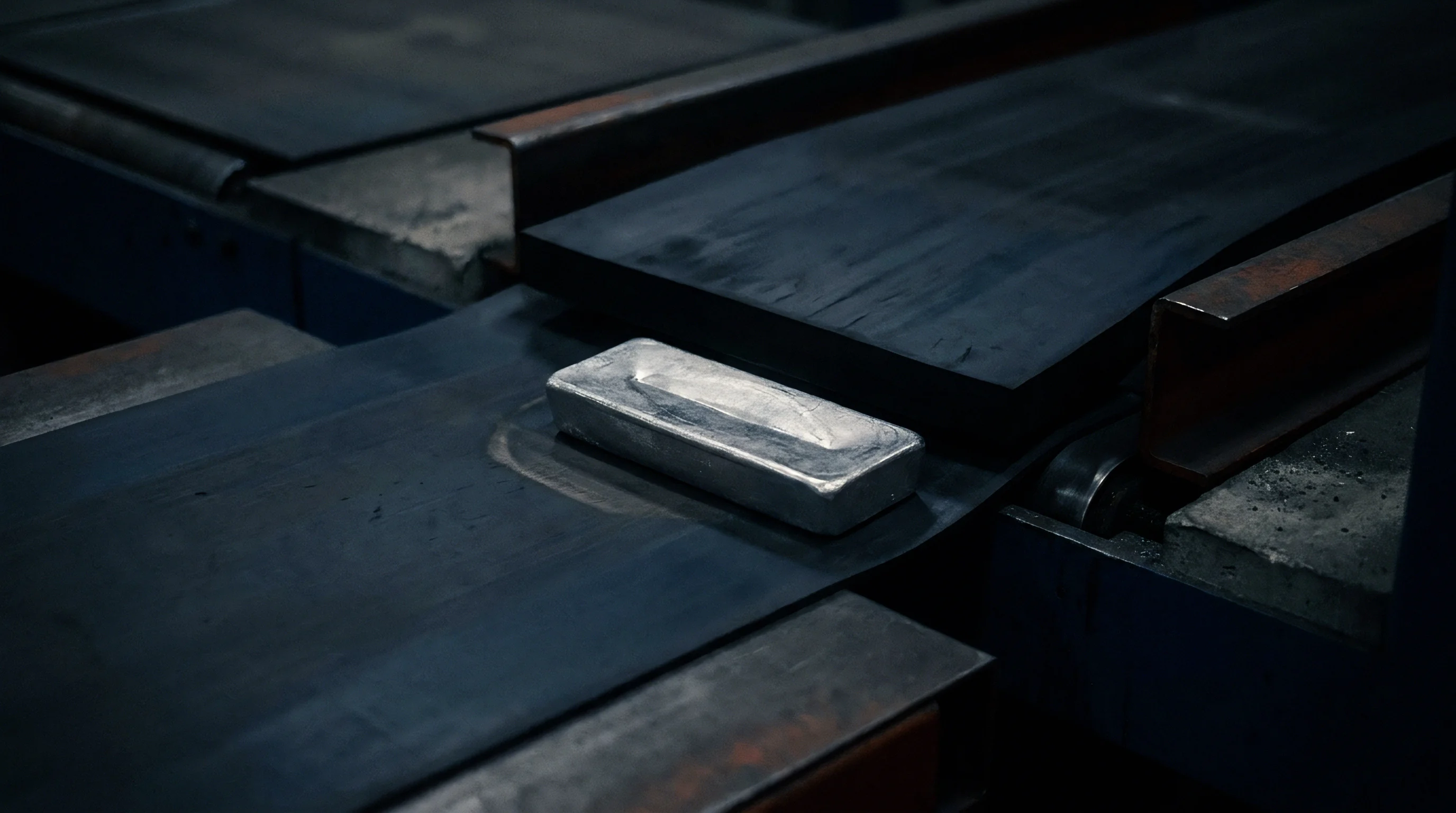
A rectangular metal ingot sits on a dark moving conveyor belt within a heavy manufacturing facility.

Verdict

Professional buyers should lock in magnet requirements for the next quarter immediately to avoid higher costs if mining restrictions continue.

Signal Acquired from: Shanghai Metals Market

Nomenclature

Industrial Motor Procurement

Acquisition Protocol ~ Engineering specifications define the requirements for rotating equipment within heavy facility infrastructure to ensure compatibility with existing power distribution networks.

Dysprosium Metal

Rare Earth Composition ~ Rare earth elements form a group of seventeen chemically similar metallic substances that define modern high-performance magnet technology.

Supply Chain Inventory

Buffer Stock ~ Quantities of raw materials and finished goods held across the distribution network provide a hedge against demand variability.

Rare Earth Elements

Lanthanide Group ~ Seventeen chemically similar metallic elements encompassing the fifteen lanthanides along with scandium and yttrium provide specialized magnetic, optical, catalytic and electronic properties across advanced industrial applications.

Raw Material Surcharges

Price Adjustment ~ Variable fees added to the base price of manufactured metal products adjust the total invoice cost to account for rapid changes in input prices.

Rare Earth Recycling

Chemical Recovery ~ Chemical separation processes extract specific magnetic and conductive elements from discarded industrial hardware.

Electric Motor Manufacturing

Output Parameter ~ Industrial fabrication operations convert raw copper windings, laminated silicon steel sheets, and permanent magnets into functional rotary torque generators through automated winding, precision stamping, and automated assembly cells.

Terbium Oxide

Oxide Purity ~ Rare earth compounds drive electronic phosphor synthesis and magnetic alloy production across Asian manufacturing hubs, where terbium oxide functions as an intermediate feedstock rather than a finished utility material.

Mining Production Quotas

Extraction Limit ~ Quantitative output ceilings imposed on raw material extraction define mining production quotas across global jurisdictions.

Magnet Feedstock Prices

Material Valuation ~ Rare earth element oxides and associated metallic precursors represent the fundamental valuation points for magnetic production cycles.

Chinese Mineral Exports

Resource Classification ~ Trade data records these outbound shipments as the movement of refined and raw geological materials destined for global industrial consumption.

Magnetic Material Specifications

Core Scope ~ Industrial procurement processes rely upon magnetic material specifications to define coercive force, residual induction, and permeability thresholds for raw alloy inputs.

What the firm knows, published

Expertise is a utility, not a secret. sentiention™ publishes its working knowledge as open reference: intelligence layer covering the materials it sources, the markets it enters, and the reference that serves both.