Low US Refinery Utilization Increases Toluene Prices and Sourcing Timelines

Toluene supplies are tightening as US refinery issues reduce output and raise downstream costs for solvents and plastics.


30.08.26 2 min

Briefing

US toluene availability is dropping as domestic refineries run at lower operating rates and deal with unplanned outages. Tight supply is putting immediate upward price pressure on aromatic solvents and extending lead times for downstream materials, including polyurethanes and specialized industrial resins. Refiners are diverting remaining toluene stocks into gasoline blending to capture higher fuel margins, pulling volume away from chemical markets. Spot market data shows localized prices up 15 percent within a 30-day window.

Crushed wood biomass rests beside a metal rack holding sequential glass vials filled with dark amber extraction liquids on a tabletop.

Context

Procurement desks expected toluene prices to stabilize once peak seasonal fuel demand tapered off. Buyers kept a close watch on Gulf Coast inventories, assuming steady feedstock flows into derivative production lines for the autumn season.

A gloved worker uses a metal scribe to apply identifying marks onto a cast component inside an active production facility.

Analysis

Toluene is a primary aromatic extracted during petroleum refining, so reduced refinery activity directly cuts available extraction volumes. Strong demand for gasoline octane components gives producers clear incentive to keep toluene in the fuel pool rather than sell it to chemical manufacturers, creating a supply gap for industrial buyers. Reduced raw toluene supply also raises production costs for benzene and para-xylene, passing higher unit costs down the chain to finished goods like clear coatings and foam insulators.

Industrial metal crates and sorted steel components rest on pallets outside a processing plant under evening skies.

Parameters

  • Spot Price Change ~ 15 percent increase in localized market rates over the previous month.
  • Inventory Levels ~ Lowest seasonal volume in five years for US aromatic stocks.
  • Refinery Utilization ~ 88 percent average run rate across key Gulf Coast facilities during the reported outages.
  • Gasoline Blending Value ~ $1.10 premium over chemical grade sales in specific regional hubs.

A complex industrial structure features dark metallic components, raised platforms, and a prominent central tower mechanism with a gilded cap.

Outlook

Higher pricing will likely hold through the start of the winter heating season as refineries launch scheduled maintenance cycles. Buyers should track weekly refinery utilization figures from the US Gulf Coast, as supply stabilization depends heavily on the completion of turnaround cycles scheduled for late quarter four.
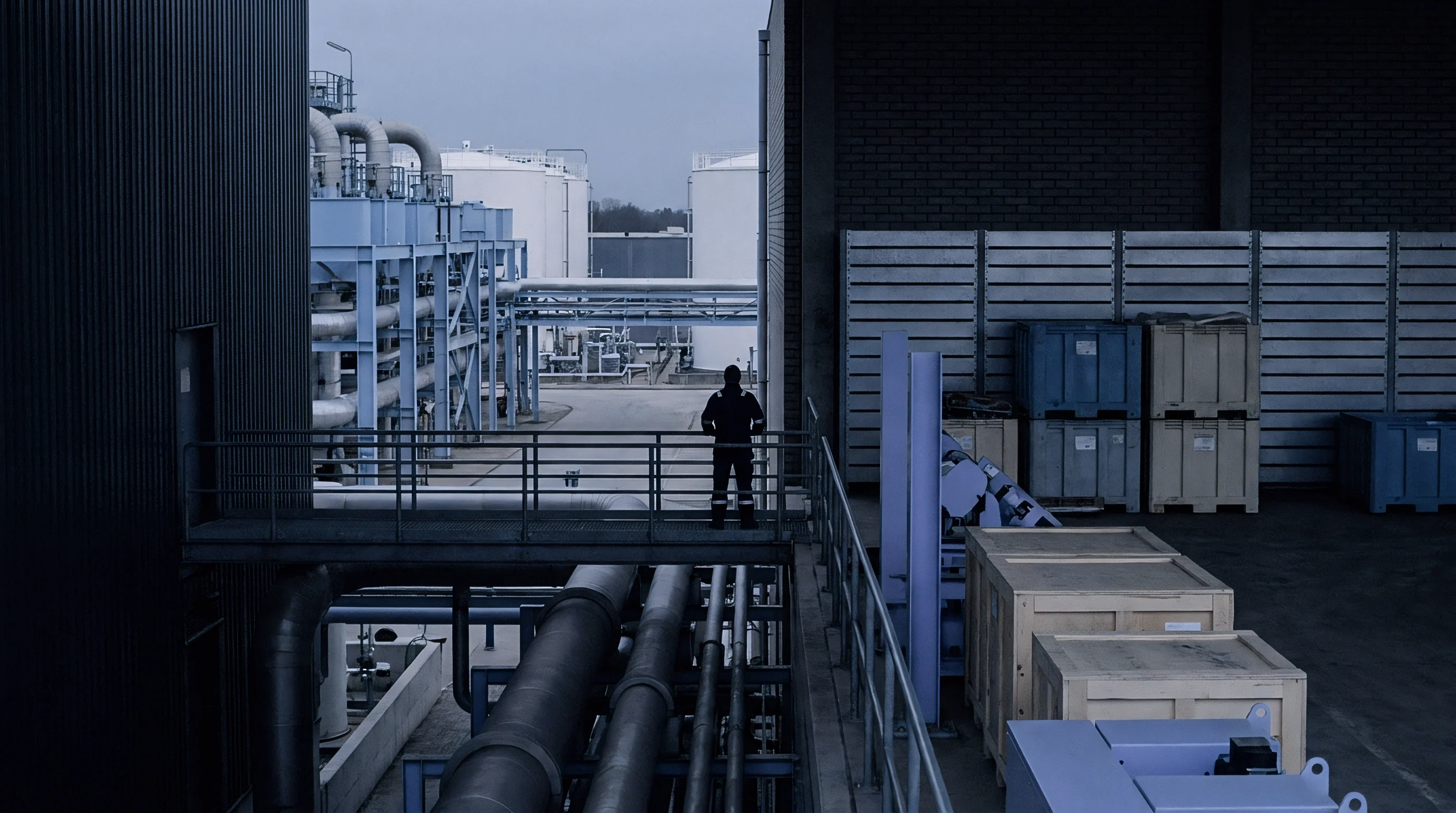
A uniformed operative observes industrial pipes and storage structures from an elevated metal walkway at a chemical processing complex.

Verdict

Industrial buyers must budget for higher solvent costs and anticipate delivery delays for aromatic-based resin systems through the end of the year.

Signal Acquired from: ICIS

Nomenclature

Lead Time Extensions

Delay Interval ~ Temporal increments added to the standard duration between order placement and final delivery signal disruptions in the manufacturing or logistics sequence.

Toluene Feedstocks

Aromatic Feedstock ~ Derived materials originating from catalytic reforming units or steam crackers supply the basic organic building blocks for chemical synthesis.

Chemical Inventories

Regulatory Mandate ~ Chemical inventories constitute formal statutory registers tracking hazardous materials stored within industrial facilities.

Industrial Chemical Pricing

Market Valuation ~ Transactional values assigned to bulk commodities and specialty reagents reflect the intersection of feedstock volatility and contractual demand.

Upstream Volatility

Input Variance ~ Unpredictable variance in price and lead times for primary commodities destabilizes production planning and procurement budgets for industrial manufacturers.

BTX Extraction

Solvent Purity ~ Industrial separation relies on BTX Extraction to isolate benzene, toluene, and mixed xylenes from catalytic reformate streams.

Gasoline Blending Impacts

Chemical Variation ~ Fuel chemistry determines the performance of internal combustion engines across varying climate conditions.

Refinery Utilization

Capacity Rate ~ The proportion of active processing capacity utilized by a manufacturing facility provides a measure of operational intensity in the energy sector.

Aromatic Chemicals

Ring Structure ~ Unsaturated cyclic hydrocarbons defined by stable resonance structures form the primary feedstock base for modern polymer synthesis and industrial chemistry.

Chemical Manufacturing Costs

Production Expenditure ~ Financial outlays required to transform raw feedstocks into refined substances include raw material procurement and energy consumption.

Aromatic Hydrocarbons

Molecular Composition ~ Chemical structures defined by at least one benzene ring characterize aromatic hydrocarbons in petroleum refining and petrochemical manufacturing.

Downstream Plastic Costs

Fiscal burden ~ Financial outlays generated after the point of production represent the full downstream plastic costs associated with a product life cycle.

What the firm knows, published

Expertise is a utility, not a secret. sentiention™ publishes its working knowledge as open reference: intelligence layer covering the materials it sources, the markets it enters, and the reference that serves both.