New UK Steel Import Quota Cuts Squeeze Buyers with High Tariffs

UK steel import quotas face a 60 percent cut, forcing buyers to secure domestic contracts or face a 50 percent duty.

29.08.26 2 min

Briefing

On July 1, 2026, the UK government introduced a restrictive tariff rate quota system for steel imports, forcing procurement teams to overhaul supply chains. Covering twenty steel product categories, the measure cuts duty-free import volumes by 60 percent. This narrows import windows for buyers and pushes up the cost of foreign options, shifting demand back toward domestic mills. Direct overseas sourcing carries heavy financial risk, as above-quota shipments trigger immediate penalties.

A digital illustration shows a multi axle flatbed truck transporting a block holding a large gold bar along an elevated dark roadway.

Context

Before the policy took effect, UK steel buyers relied heavily on lower-cost imports to control manufacturing and fabrication expenses, leaving domestic steelmakers with just 30 percent of national demand. Procurement teams were tracking the end date of the previous trade safeguards, but with local mill prices already rising on high energy costs, buyers expected ministers to simply renew existing terms.

Heavy structural steel beams and cast concrete blocks rest on a warehouse floor near a blue divider and louvered metal partitions.

Analysis

The system operates like a toll gate cut to under half its former capacity. As soon as the quarterly first-come, first-served quota fills, HMRC levies a 50 percent duty on steel value prior to applying other import charges. The penalty makes overseas material cost-prohibitive, forcing buyers to front-load orders or shift volume to British mills. Under this surge in domestic demand and facing higher zinc and slab costs, local steelmakers have already raised hot-rolled coil quotes by £125 per tonne. Sourcing desks now contend with rising domestic prices alongside tighter lead times for foreign shipments, meaning existing fabricator quotes will not hold and spot buys must yield to long-term framework contracts.

A digital render shows an industrial crane lifting a model cargo vessel between towering steel shipping containers inside a dark terminal warehouse.

Parameters

  • Quota reduction ~ 60 percent contraction in tariff-free import volumes across major steel categories relative to the former safeguard regime.
  • Out of quota tariff ~ 50 percent duty levied immediately on steel imports exceeding quarterly limits.
  • Hot-rolled coil price increase ~ £125 per tonne price hike introduced by major local mills, driven by higher slab costs and stricter import controls.
  • Effective date ~ July 1, 2026, marking the transition from previous safeguards to the current quota model.
  • Domestic supply share target ~ 50 percent market share targeted for UK producers under the revised strategy.
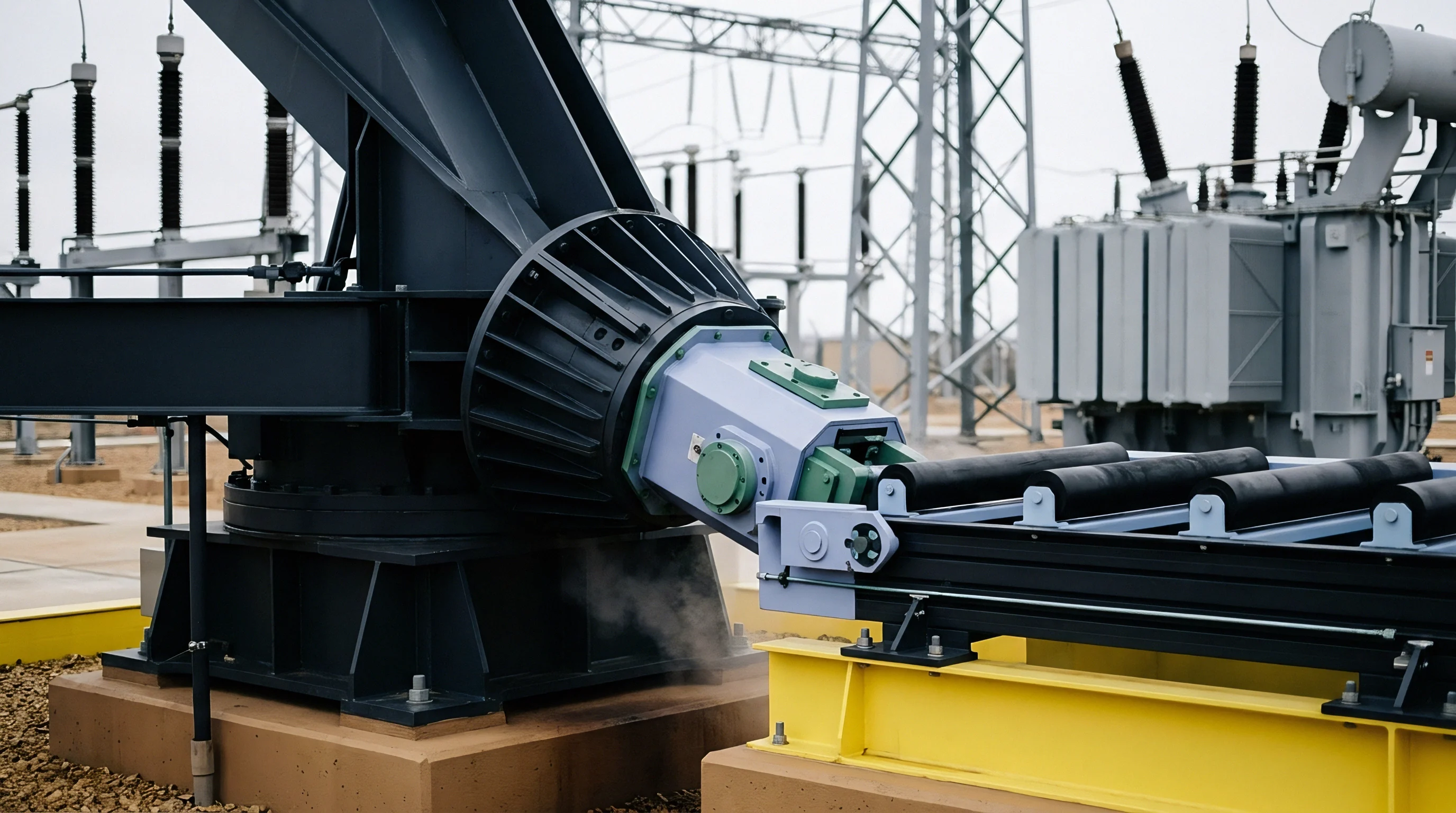
High voltage electrical substation components feature a mechanical pivot assembly mounted on steel beams near industrial transformers and insulators.

Outlook

Over coming quarters, the UK steel market is set to become Europe’s most expensive, with structural steel sections expected to pass €1,000 per tonne in the second half of 2026. Sourcing teams need to track HMRC’s quarterly quota utilization reports to gauge how fast tariff-free volumes run out. If the third-quarter quota exhausts early, buyers will have no choice but to absorb the 50 percent duty, pushing domestic prices even higher.

A heavy steel vault door and canvas cargo bag rest on an industrial concrete mezzanine near a safety railing.

Verdict

Sourcing teams must move immediately from spot international purchasing to long-term domestic supply agreements to avoid paying a fifty percent import duty on structural steel.

Signal Acquired from: UK Government

Nomenclature

Industrial Metal Sourcing

Procurement Protocol ~ The strategic process of identifying and acquiring raw and semi-finished metal alloys represents the foundation of manufacturing supply chains.

Tariff Rate Quotas

Volume Threshold ~ Designated trade regulatory instruments establish dual tier import taxation where specific shipment quantities enter under reduced rates before higher duties apply to subsequent arrivals.

Raw Material Costs

Procurement Valuation ~ Economic accounting identifies the total cash outflow dedicated to the acquisition of physical commodities needed for manufacturing processes.

Steel Trade Safeguards

Import Regulation ~ Government-imposed import restrictions are designed to prevent domestic metals producers from being overwhelmed by a sudden surge of low-cost foreign steel.

Material Cost Risk

Financial Threat ~ Price volatility in the commodities markets poses a substantial challenge to the profitability of long-term manufacturing contracts.

Steel Import Tariffs

Tariff Boundary ~ Protectionist trade barriers imposed on foreign metal shipments alter sourcing costs for domestic manufacturers.

Out of Quota Duty

Tariff Penalty ~ Higher tax rates applied to imported goods once a pre-determined volume threshold has been exceeded are used to control the flow of foreign products into a domestic market.

Carbon Border Adjustment

Tariff Mechanism ~ Environmental trade policies equalize the cost of carbon emissions between domestic products and imports.

Steelwork Fabrication

Structural Parameter ~ Structural assembly processing represents the controlled transformation of raw metal plates and structural shapes into load-bearing assemblies through thermal cutting, precision welding, and mechanical fastening.

Steel Procurement

Volume Allocation ~ Factory supply chains coordinate steel procurement by scheduling mill production runs against rolling construction demand forecasts.

Domestic Sourcing Strategy

Procurement Model ~ Purchasing architecture oriented toward national suppliers prioritizes the acquisition of raw materials, fabricated subassemblies and processing services from vendors located within the same sovereign territory.

Cold Rolled Sheets

Production Origin ~ Metal stock gains precise gauge control and superior surface finish through ambient temperature reduction after hot rolling.

What the firm knows, published

Expertise is a utility, not a secret. sentiention™ publishes its working knowledge as open reference: intelligence layer covering the materials it sources, the markets it enters, and the reference that serves both.