Pace Industries Die Casting Closures Squeeze North American Manufacturing Capacity

Pace's exit forces industrial buyers to move tooling and requalify programs amid shrinking domestic casting capacity.

28.08.26 2 min

Briefing

Pace Industries is permanently closing major die-casting facilities in Arkansas, Michigan, and Tennessee, cutting roughly 235,000 metric tons of annual melt capacity from the North American market. The abrupt shutdowns force procurement managers across automotive, lighting, and heavy machinery to pull tooling, requalify parts, and turn to an already stretched domestic and nearshore supplier base. With surviving foundries operating near capacity, absorbing the sudden deficit will strain lead times and tighten sub-tier supply almost immediately.
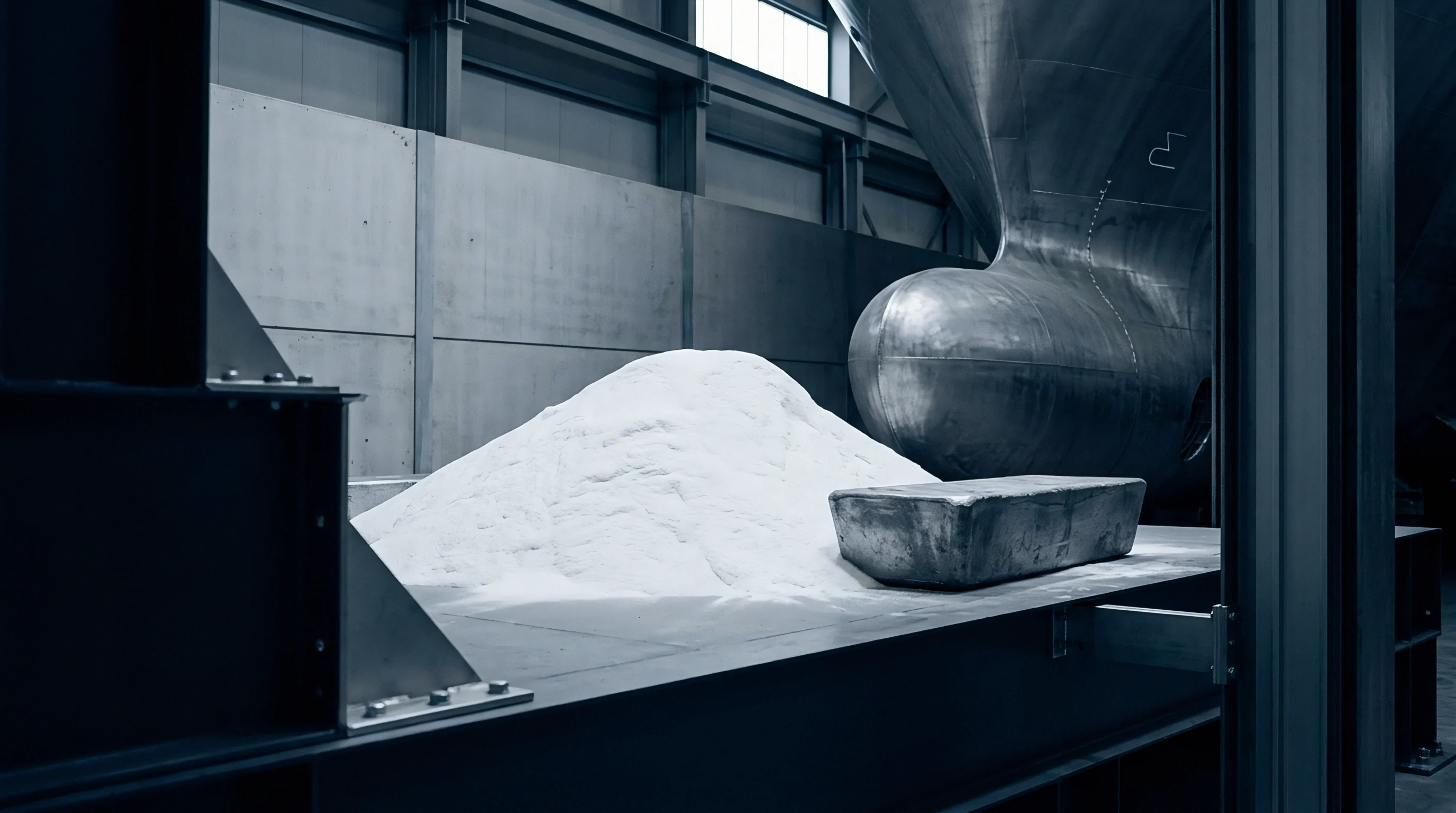
Bulk raw material and a large metal ingot rest on a platform inside a heavy industrial manufacturing facility near a ship hull.

Context

Before this closure, buyers had been waiting to see whether North American die casting would settle after years of escalating power costs, labor shortages, and capital demands. Most assumed major domestic casters would hold onto their operating footprints to capture incoming volume from automotive nearshoring and reshoring programs. Pace’s sudden exit breaks that assumption, signaling that even large suppliers will shutter aging facilities rather than carry them through current margin pressures.

A cast metal industrial component with machined surfaces rests on a split brown and blue surface next to a light grey hinge.

Analysis

Pace Industries failed to resolve labor negotiations and sustain plant efficiencies, prompting the abrupt closure of its Harrison, Jackson, and Muskegon operations. The disruption creates an immediate physical bottleneck for procurement. Because die-cast production relies on dedicated tooling, alternate suppliers cannot run parts until dies are extracted, transported, and remounted.

Proving out those tools takes weeks of qualification runs, stopping shipments and stretching lead times. Meanwhile, surviving die casters are already running close to full utilization, leaving them free to turn away low-margin work and hike rates for casting, machining, and finishing. Sourcing teams have a narrow window to pull their dies before the facilities shut down entirely.

A manufacturing specialist examines a heavy steel industrial swivel alongside diverse material samples and a photovoltaic solar panel in a studio setting.

Parameters

  • Total Capacity Exit ~ 235,000 metric tons of annual nameplate casting melt capacity removed from the market.
  • Muskegon Plant Closures ~ Two Michigan facilities closing, removing 60,000 metric tons of annual aluminum melt capacity.
  • Harrison Plant Closure ~ One Arkansas facility closing, removing 175,000 metric tons of annual nameplate casting capacity.
  • Jackson Plant Closure ~ One Tennessee facility permanently closing in late April 2026.
  • Total Workforce Impact ~ More than 380 jobs eliminated across the three regional facilities.
  • Transition Lead Time ~ Program requalification and tool relocation typically requiring several weeks of production pause.

A person observes turbine blade prototypes and raw material samples placed upon a stark table for industrial engineering and supply chain analysis.

Outlook

Foundries picking up the slack will likely press for higher margins as their capacity fills. Lead times will lengthen over the coming quarter while shops work through tooling transfers and initial part approvals. Sourcing teams will need to watch secondary aluminum billet and regional premiums closely to see if metal costs compound the capacity squeeze.

Contract negotiations mid-year should show just how quickly the remaining supply base can absorb the displaced tonnage.
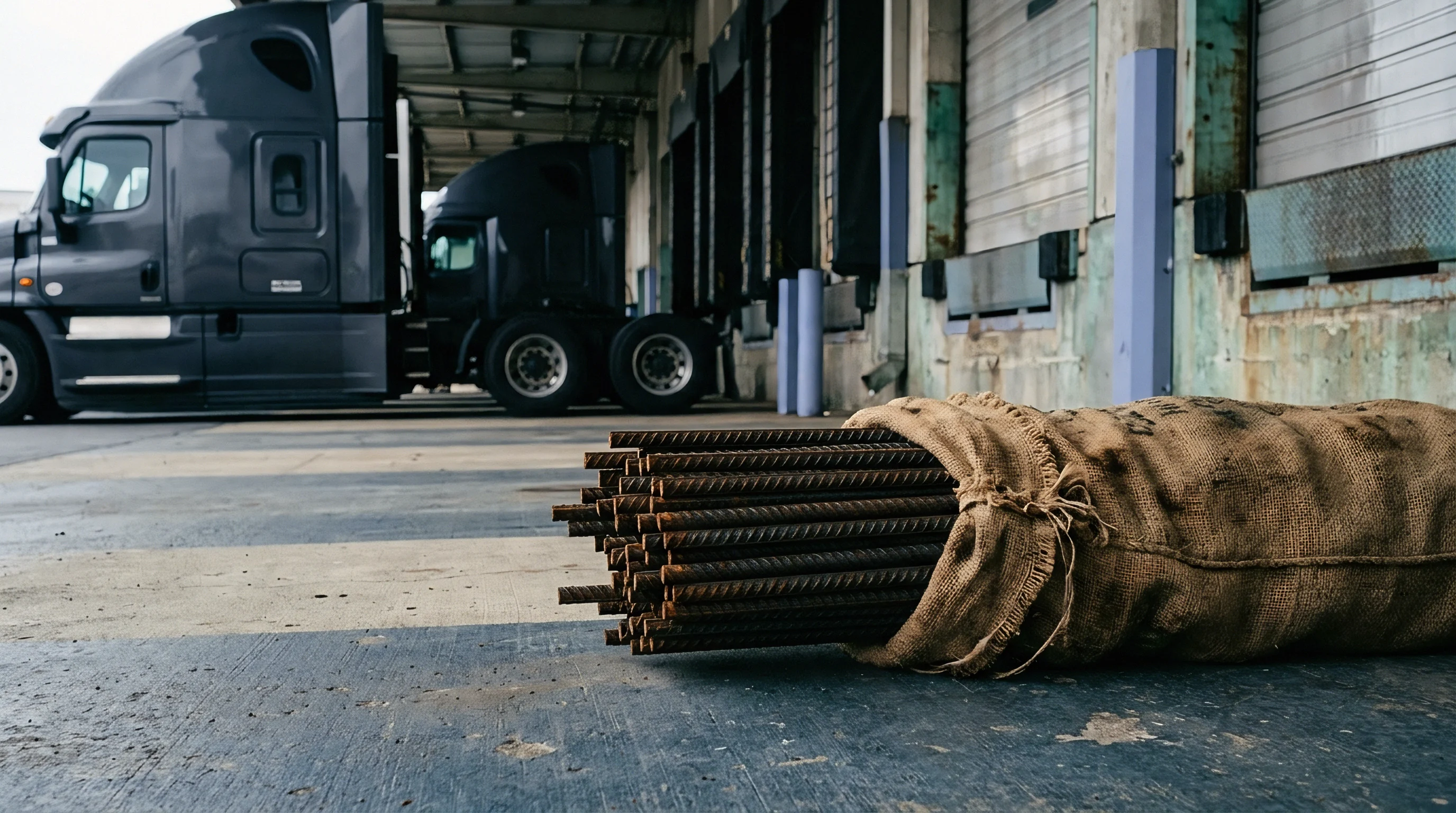
Rusty steel reinforcement bars bundled in burlap lie on concrete pavement before semi trucks parked at an industrial loading dock facility.

Verdict

Industrial buyers must act immediately to secure and transfer proprietary die-casting tools before production stalls, as remaining domestic casters will quickly hit capacity limits and raise their pricing.

Signal Acquired from: ManufacturingTomorrow

Nomenclature

Workforce Restructuring

Organizational Calibration ~ Workforce restructuring constitutes the formal adjustment of labor composition through the rebalancing of headcount or the alteration of reporting hierarchies to align operational capacity with current production requirements.

Zinc Casting

Thermal Processing ~ Molten nonferrous alloy transformation relies on high pressure injection into hardened steel dies to achieve near net shape components.

Magnesium Components

Metallic Alloy Composition ~ Lightweight structural units utilize magnesium components to reduce inertial mass in high-velocity transit environments.

Contract Manufacturing

Production Outsourcing ~ Outsourced factory operations define this arrangement where a firm assigns the actual creation of its goods to an external entity.

Component Lead Times

Supply Metric ~ Measured intervals between official order placement and dockside factory delivery define the replenishment velocity of discrete production inputs.

Domestic Sourcing Risk

Supply Vulnerability ~ Production networks rely on the proximity of raw material extraction to manufacturing facilities to ensure consistent output.

Multi-Tier Sourcing

Supply Chain Architecture ~ Procurement oversight extends beyond direct contract partners to include the deeper production stages performed by secondary and tertiary entities within a global logistics network.

Aluminum Die Casting

Thermal Constraint ~ Metal forming relies heavily on the physical properties of injected molten alloys inside permanent steel cavities under high hydraulic pressure.

Metal Molding

Production Method ~ Liquid alloy assumes a fixed geometry upon entering a cooled cavity where thermal energy transfers into the surrounding apparatus to solidify the intake.

Program Requalification

Verification Cycle ~ Periodic audit procedures confirm that a registered supplier retains the capability to meet established quality and performance criteria after a set duration.

Industrial Supply Chain

Operational Linkage ~ Physical distribution networks move raw inputs through transformation stages toward finished goods ready for market consumption.

Automotive Supply Chain

Operational Network ~ An automotive supply chain functions as the structural configuration of suppliers, manufacturers, and logistics providers tasked with transforming raw inputs into finished vehicles through multi-stage assembly processes.

What the firm knows, published

Expertise is a utility, not a secret. sentiention™ publishes its working knowledge as open reference: intelligence layer covering the materials it sources, the markets it enters, and the reference that serves both.