Rising Titanium Shortage Forces Aerospace Sourcing Teams to Qualify New Suppliers

Buyers face extended mill lead times up to 52 weeks and must qualify alternative suppliers to protect schedules.


28.08.26 2 min

Briefing

Sanctions and surging defense demand have fractured global titanium supply lines. Aerospace and defense buyers face extensive delivery delays, dragging out program schedules and forcing rapid qualification of alternative mills. Lead times for aerospace-grade titanium mill products now stretch to 52 weeks.

An executive meeting table displays diverse material samples, notebooks, and digital communication tools ready for product development and strategic sourcing discussions.

Context

Before the current crunch, procurement teams banked on inventories left over from earlier manufacturing slowdowns to keep the market stable. Sourcing efforts prioritized annual fixed-price agreements over physical availability. The central concern was whether aircraft build rates would return to pre-pandemic levels before mills raised base pricing.

A person observes turbine blade prototypes and raw material samples placed upon a stark table for industrial engineering and supply chain analysis.

Analysis

The bottleneck centers on smelting capacity for high-purity titanium sponge, the base material for aerospace alloys. Russian processors previously supplied one-third of the titanium bars and rods consumed by American factories, a pipeline now largely cut off by Western trade barriers. In Europe, elevated power prices continue to squeeze local smelters. With commercial aerospace build rates climbing alongside defense orders, structural alloy consumption is outstripping supply. Refining titanium is technically demanding and slow to scale, leaving buyers to absorb steep surcharges or wait up to a year for deliveries.
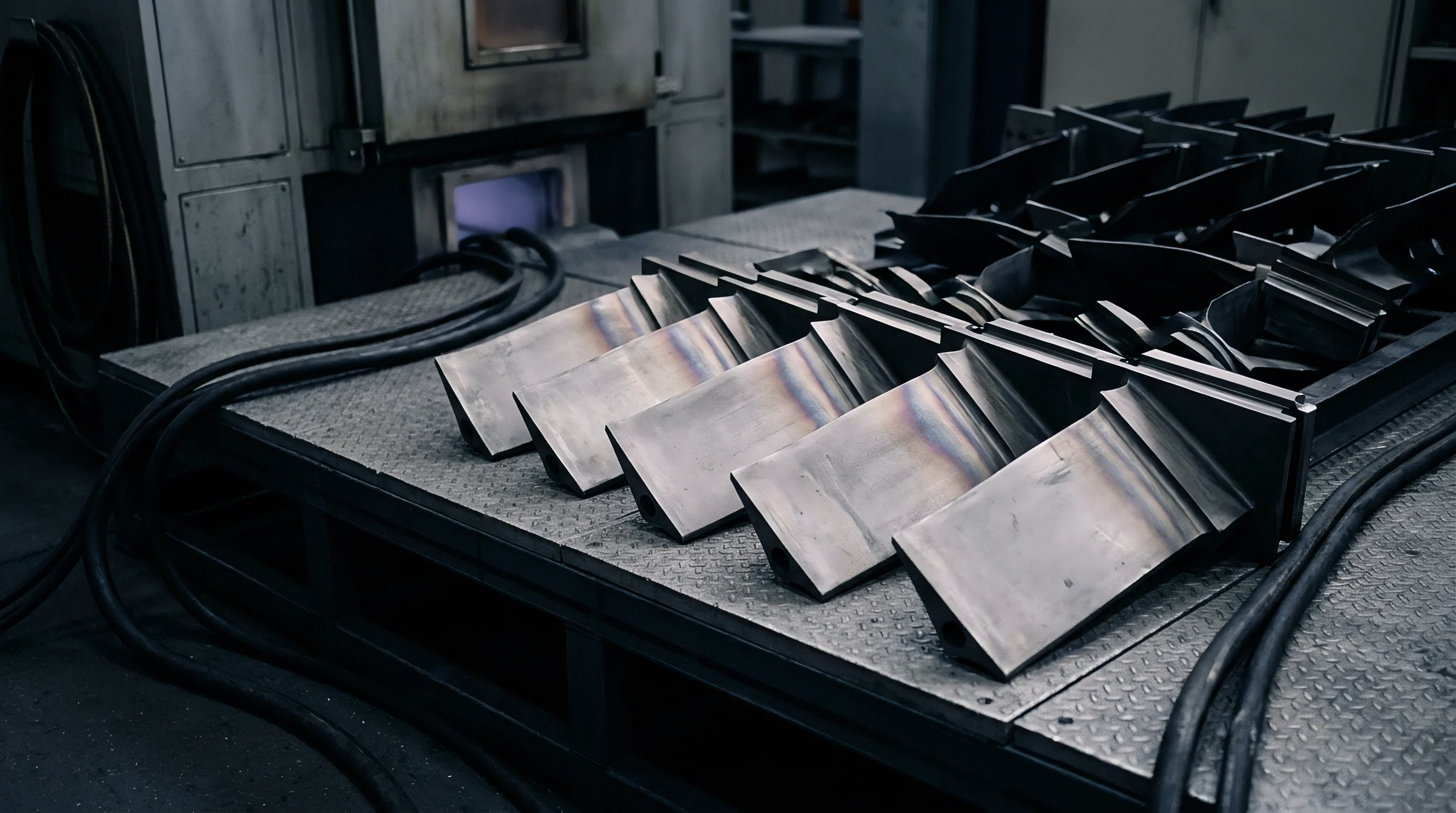
Machined alloy turbine blades rest on a steel workbench inside a heavy industrial machinery production plant.

Parameters

  • Maximum Lead Time ~ 52 weeks for aerospace-grade titanium mill products, compared to a historical baseline of twelve weeks.
  • Import Dependence ~ Russia previously supplied one-third of all titanium bars and rods consumed in the United States.
  • Market Projection ~ Global titanium market value is projected to surpass 50 billion dollars by 2030 on commercial aviation growth and defense procurement.
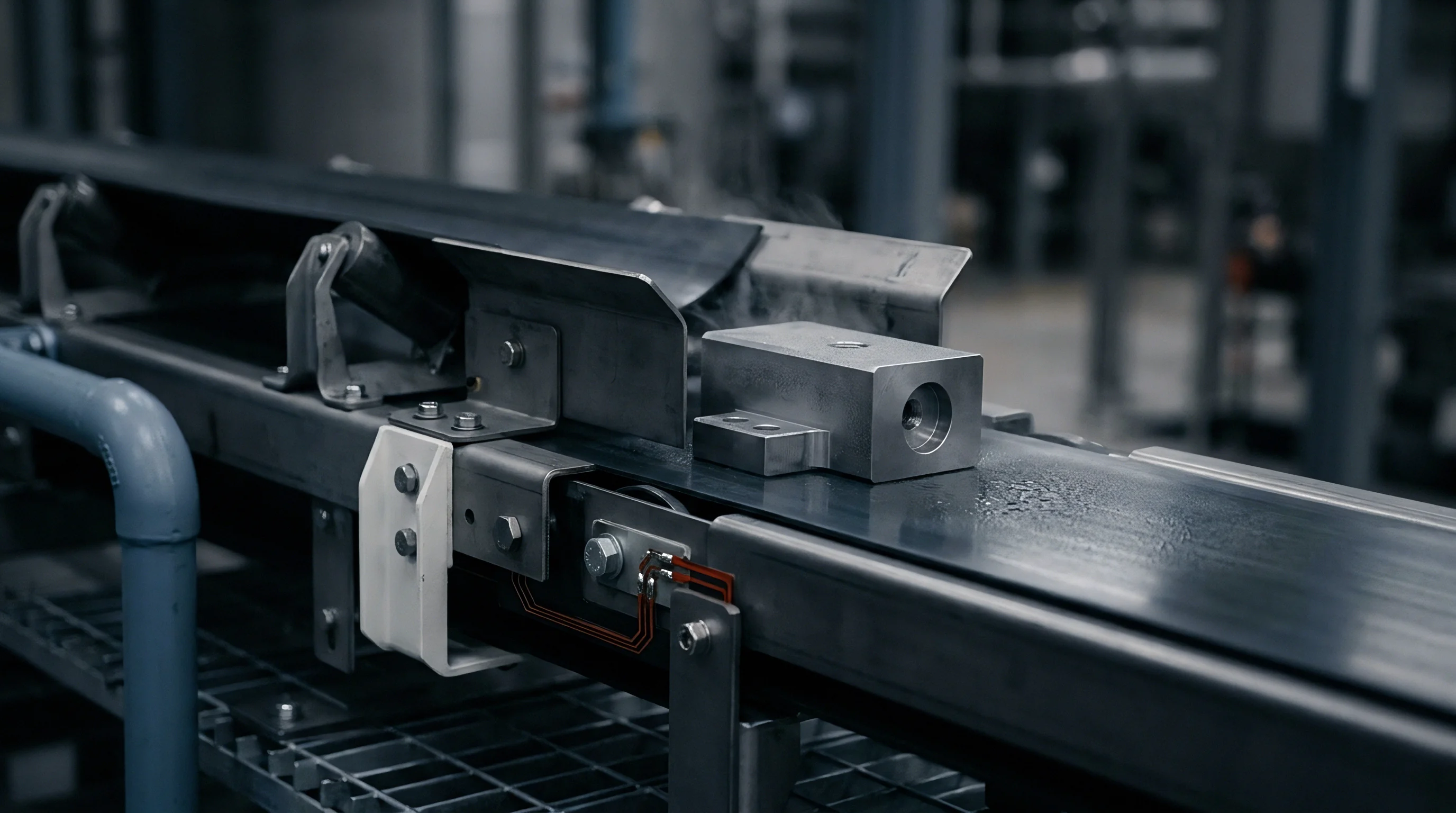
A machined metal component moves along a dark industrial conveyor belt inside a manufacturing facility during production operations.

Outlook

Purchasing teams tracking market relief should watch new capacity projects in emerging hubs like India. If these facilities achieve reliable high-purity output, regional price premiums and lead times will begin to compress. Mill test certificates and joint-venture filings will provide the earliest indication that non-traditional titanium sponge is entering Western supply chains.

A tilted blue container rests beside a heavy metallic mooring cleat amid scattered raw material fragments on a dark industrial floor.

Verdict

Buyers of titanium alloys must qualify alternative materials and domestic suppliers immediately to mitigate the risks of fifty-two week lead times.

Signal Acquired from: Material Harbor

Nomenclature

Aerospace Metallurgy

Material Specification ~ Engineering disciplines dedicated to the development of high-performance metallic materials establish the boundaries of aircraft and spacecraft performance.

Industrial Titanium Grades

Chemical Composition ~ Standardized metal classifications group unalloyed and alloyed titanium materials based on their specific chemical compositions and mechanical limits.

Aerospace Fasteners

Structural Integrity ~ High-strength hardware components join critical structural assemblies and system paths across airframes and propulsion units to prevent separation under extreme vibrational and thermal loads.

Supplier Diversification

Risk Strategy ~ Procurement strategies designed to reduce supply chain vulnerability distribute purchasing volume across multiple independent vendors instead of relying on a single partner.

Alternative Supplier Qualification

Supplier Validation ~ Industrial procurement requires systematic verification before any unproven entity joins the active purchasing roster.

Titanium Sponge Sourcing

Procurement Strategy ~ Industrial procurement operations focused on acquiring porous, raw titanium metal manage the primary feedstocks for the entire high-performance alloy supply chain.

Metal Supply Chain

Global Routing ~ Industrial material procurement operates through a metal supply chain that connects primary extraction sites with manufacturing plants across international borders.

Mill Lead Times

Production Horizon ~ Manufacturing facilities publish mill lead times as the elapsed duration between an accepted customer purchase order and the final dispatch of processed metal, paper or textiles from the facility floor.

Strategic Mineral Trade

Global Supply ~ Transnational commerce in heavy industrial elements moves through custom corridors linking extraction sites to manufacturing hubs.

Titanium Forgings

Structural Strength ~ Metallic components produced by applying heavy compressive forces to heated titanium alloys acquire superior mechanical properties and internal grain structures for high-stress applications.

Defense Procurement

Strategic Sourcing ~ Specialized acquisition frameworks govern the purchasing of equipment, munitions, and services required for national security.

What the firm knows, published

Expertise is a utility, not a secret. sentiention™ publishes its working knowledge as open reference: intelligence layer covering the materials it sources, the markets it enters, and the reference that serves both.