Rising Grain Indices to Elevate Sourcing Costs for Food Processors

Spiking grain and soft commodity indices will force food and feed buyers to pay higher contract prices.

29.08.26 2 min

Briefing

Global grain and soft commodity prices are climbing rapidly, pushed up by military action in the Black Sea and severe weather downgrades. For procurement desks, the sudden surge brings immediate pressure on supply contracts, higher ingredient costs, and shrinking physical inventories. Transit routes are bottlenecking as alternative corridors clog and exports out of key producing regions drop off. The clearest sign of this shock is Russian grain exports, projected at just 2 million tonnes for August ~ down over 60 percent from the five-year average of 5.7 million tonnes.

A wooden timber winch and stacked quarried stone blocks rest on a concrete floor inside an industrial architectural interior.

Context

Before this turn, buyers expected stable pricing and comfortable supplies following months of falling grain futures. Procurement teams were evaluating whether harvest pressure and larger stock estimates across major exporters might open an extended buying window at lower prices. Shippers, meanwhile, were tracking primary transit corridors on the assumption that alternative routes could absorb any disruptions.

A brushed metal fastening plate is secured to a cylindrical rod mounted on a dark textured display board alongside textile swatches.

Analysis

Blockades and damaged infrastructure have choked Ukraine’s deep-water ports and restricted Russian shipments, cutting the volume of physical grain entering the market. That squeeze is turning buyers toward North and South America ~ where harvests are already affected by El Nino weather downgrades and fertilizer shortages. Scrambling for remaining supply has drawn heavy speculative buying into futures markets, lifting baseline indices. Those higher paper prices translate almost immediately into elevated physical basis premiums and contract surcharges, pushing up the cost of processed food and feed with little warning.

Textured oak panels and brushed metal hardware mount onto blue painted wooden frames inside a modular furniture manufacturing plant.

Parameters

  • Bloomberg grains index rise ~ 9.3 percent, taking the total return index through August to a two-year high.
  • Chicago corn futures increase ~ 14 percent gain for the August benchmark as crop conditions deteriorated.
  • Chicago wheat futures increase ~ 9 percent single-month gain for CBOT wheat amid Black Sea disruptions.
  • Russian August export volume ~ 2 million tonnes, down sharply from the five-year average of 5.7 million tonnes.
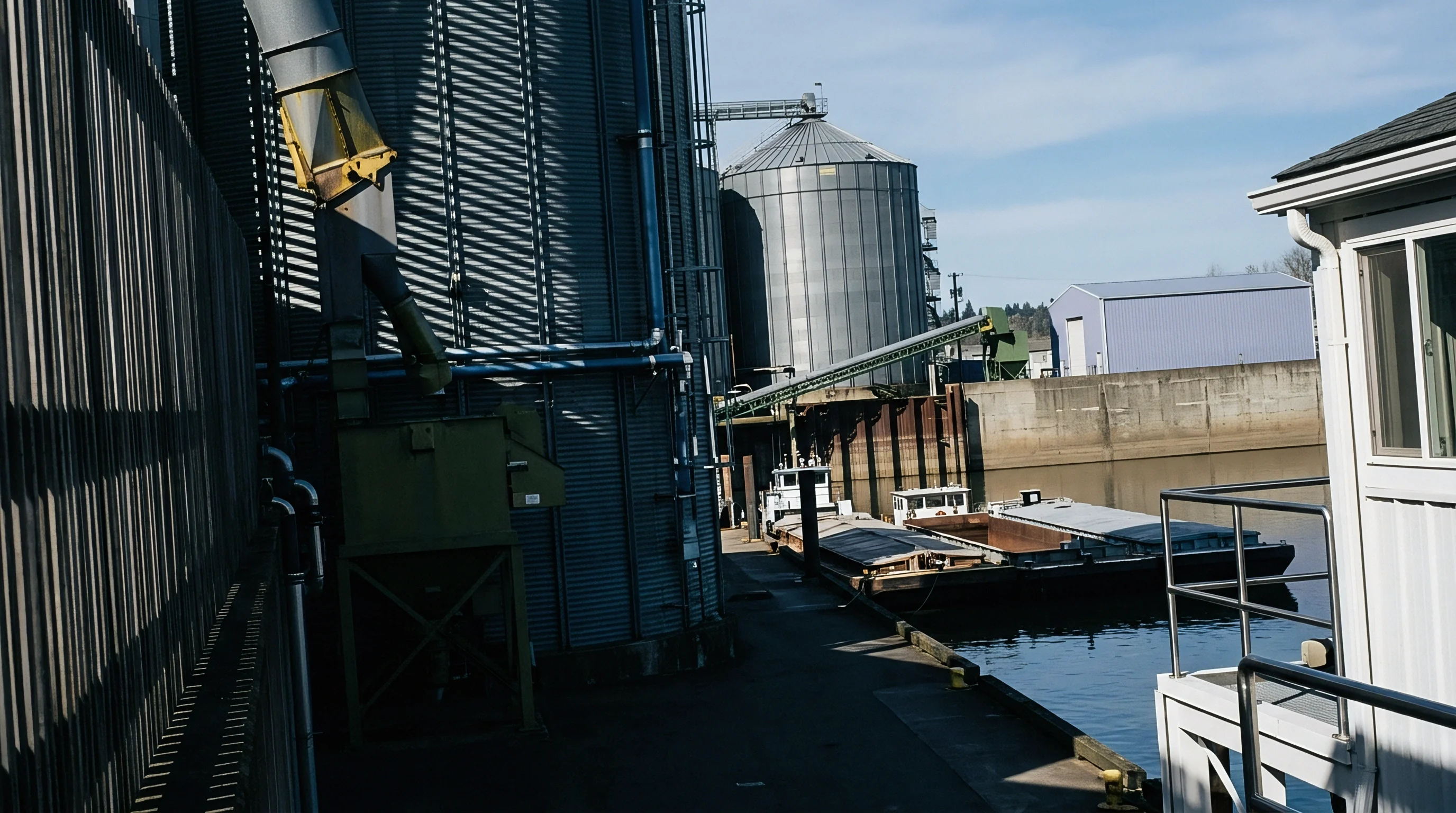
Corrugated steel grain silos and conveyors stand beside docked transport barges on an industrial waterway terminal.

Outlook

Over the coming weeks, higher benchmark indices will filter directly into downstream pricing for flour, starch, and feed. Those cost increases will compress manufacturer margins and force immediate procurement adjustments. Teams should track the upcoming USDA World Agricultural Supply and Demand Estimates report: further cuts to global production figures will signal whether this rally gathers strength or starts to settle.

An executive meeting table displays diverse material samples, notebooks, and digital communication tools ready for product development and strategic sourcing discussions.

Verdict

Prepare for sustained price increases by locking in near-term food and feed ingredient contracts ahead of autumn renewals.

Signal Acquired from: Saxo Bank

Nomenclature

Corn Prices

Grain Quotation ~ Market value operates as a primary determinant for agricultural commodities traded globally on mercantile exchanges.

Feed Ingredients

Material Composition ~ Raw biological or mineral substances constitute the nutritional foundation for livestock diets.

Logistics Disruption

Network Vulnerability ~ Sudden blockage along a primary commercial artery creates logistics disruption by severing scheduled cargo flows between industrial hubs and consumer markets.

Grain Procurement

Grain Acquisition ~ Commercial purchasing operations for bulk agricultural cereal crops secure wheat, corn, barley and rice for milling or export operations.

Import Costs

Landed Expenditure ~ Total landed financial outlays incurred during the cross-border movement of commercial merchandise define the complete expense of acquiring foreign goods.

Agricultural Markets

Price Discovery ~ Agricultural markets operate as continuous trading arenas where perishable physical commodities meet deferred delivery contracts.

Soft Commodities

Agricultural Composition ~ Agricultural production cycles define soft commodities as unprocessed, organic goods grown in soil rather than extracted from the earth.

Agricultural Supply Chains

Production Flow ~ Commodity networks track the transformation of biological raw materials from harvest through processing and final distribution.

Trade Risk

Exposure Categorization ~ Financial volatility describes trade risk, which denotes the potential for loss occurring during cross border exchange.

Food Sourcing

Ingredient Origin ~ Procurement processes for raw agricultural materials and processed edible commodities establish raw material supply paths for commercial food producers.

Commodity Pricing

Market Valuation ~ Spot commodity pricing establishes immediate transactional value for raw materials through continuous interaction between global buyers and sellers on specialized exchanges.

Wheat Futures

Financial Contract ~ Standardized derivative agreements traded on commodity exchanges to buy or sell a specified quantity and grade of grain at a set price on a future date help agricultural market participants manage price risk.

What the firm knows, published

Expertise is a utility, not a secret. sentiention™ publishes its working knowledge as open reference: intelligence layer covering the materials it sources, the markets it enters, and the reference that serves both.