EU Provisional TiO2 Duties Raise Raw Material Costs for Chemical Buyers

Procurement teams must prepare for duty rates up to 40 percent as EU borders target Chinese titanium dioxide imports.
28.08.26 1 min

Briefing

Provisional anti-dumping duties on Chinese titanium dioxide imports will raise landed costs immediately for European coatings and plastics manufacturers. The European Commission has set supplier-specific rates between 14.4 percent and 39.7 percent, forcing buyers to absorb the tariffs or shift procurement toward European and North American suppliers. The peak 39.7 percent rate applies to all unlisted exporters.

Vertical metal and glass sample panels stand beside chemical beakers and precision measuring instruments on a dark production laboratory surface.

Context

Titanium dioxide imports had remained steady while the market balanced low overseas prices against regional capacity. Before the tariffs established a price floor, buyers focused primarily on tracking price spreads between Asia and Europe.

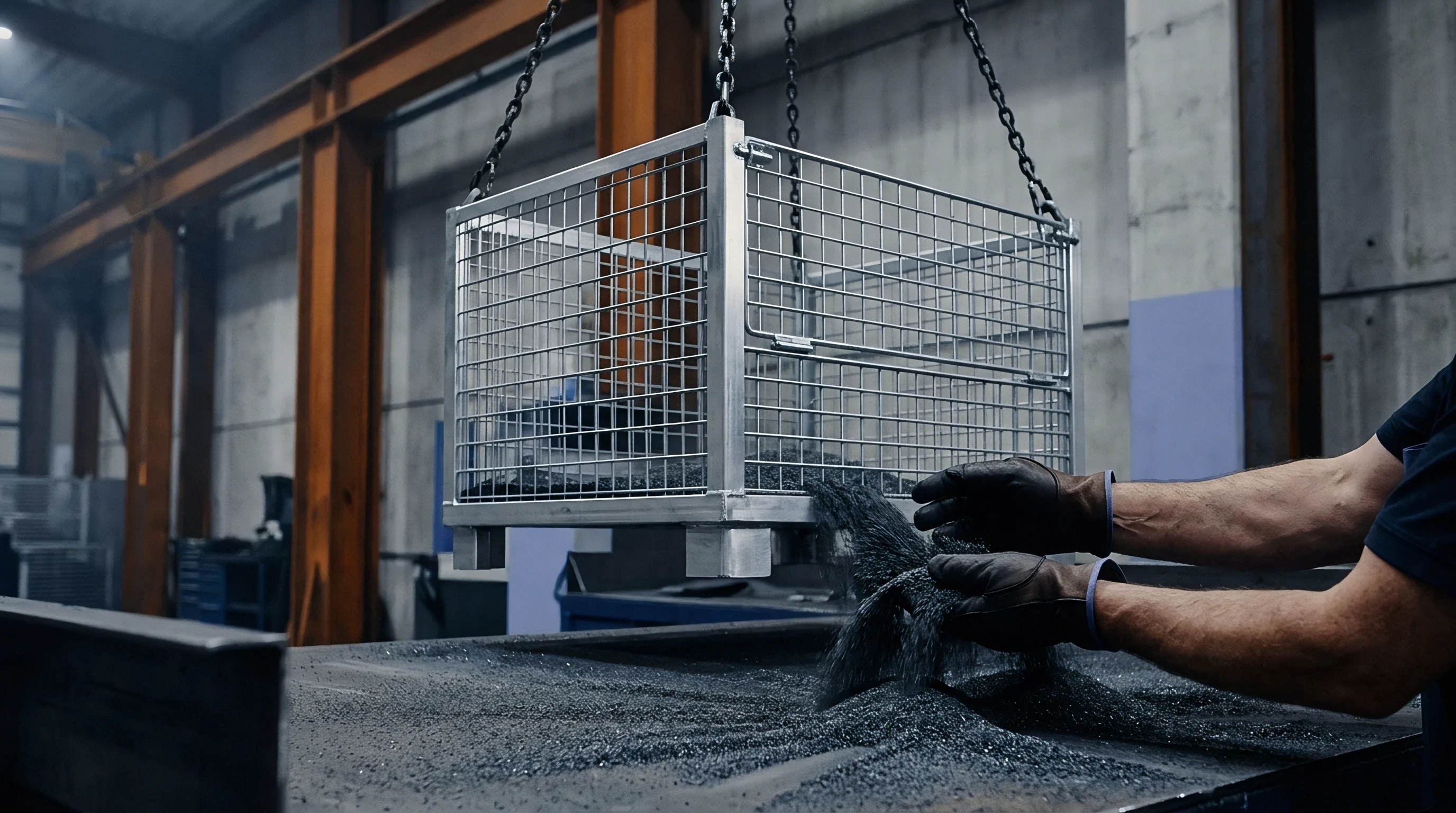
Protective gloved hand touches layered industrial material panels covered with fine particulate residue inside a matte production frame.

Analysis

The commission pointed to systematic price cutting that disrupted domestic production. Customs assesses the levy on the importer of record at the border, adding the cost directly to each container before it enters inventory. As import competition grows more expensive, European producers gain room to lift their own quotes, pushing higher costs downstream into paints, paper coatings, and automotive resins.
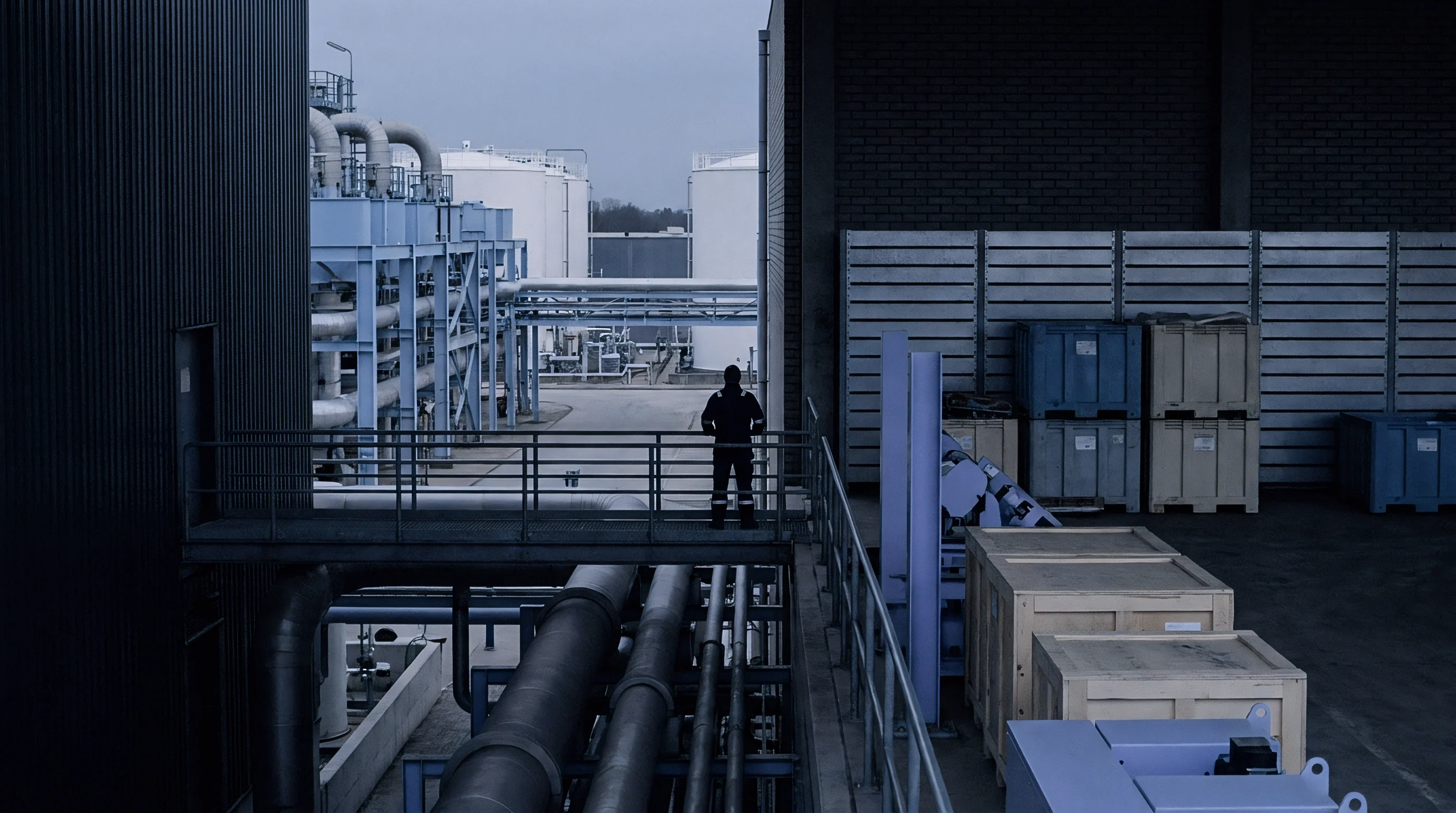
A uniformed operative observes industrial pipes and storage structures from an elevated metal walkway at a chemical processing complex.

Parameters

  • Maximum Duty Rate ~ 39.7 percent applied to all non-sampled companies from the target origin.
  • Cooperating Supplier Rate ~ 14.4 percent, the lowest bracket set for specific firms named in the filing.
  • Implementation Window ~ Six months for provisional collections before a definitive ruling.
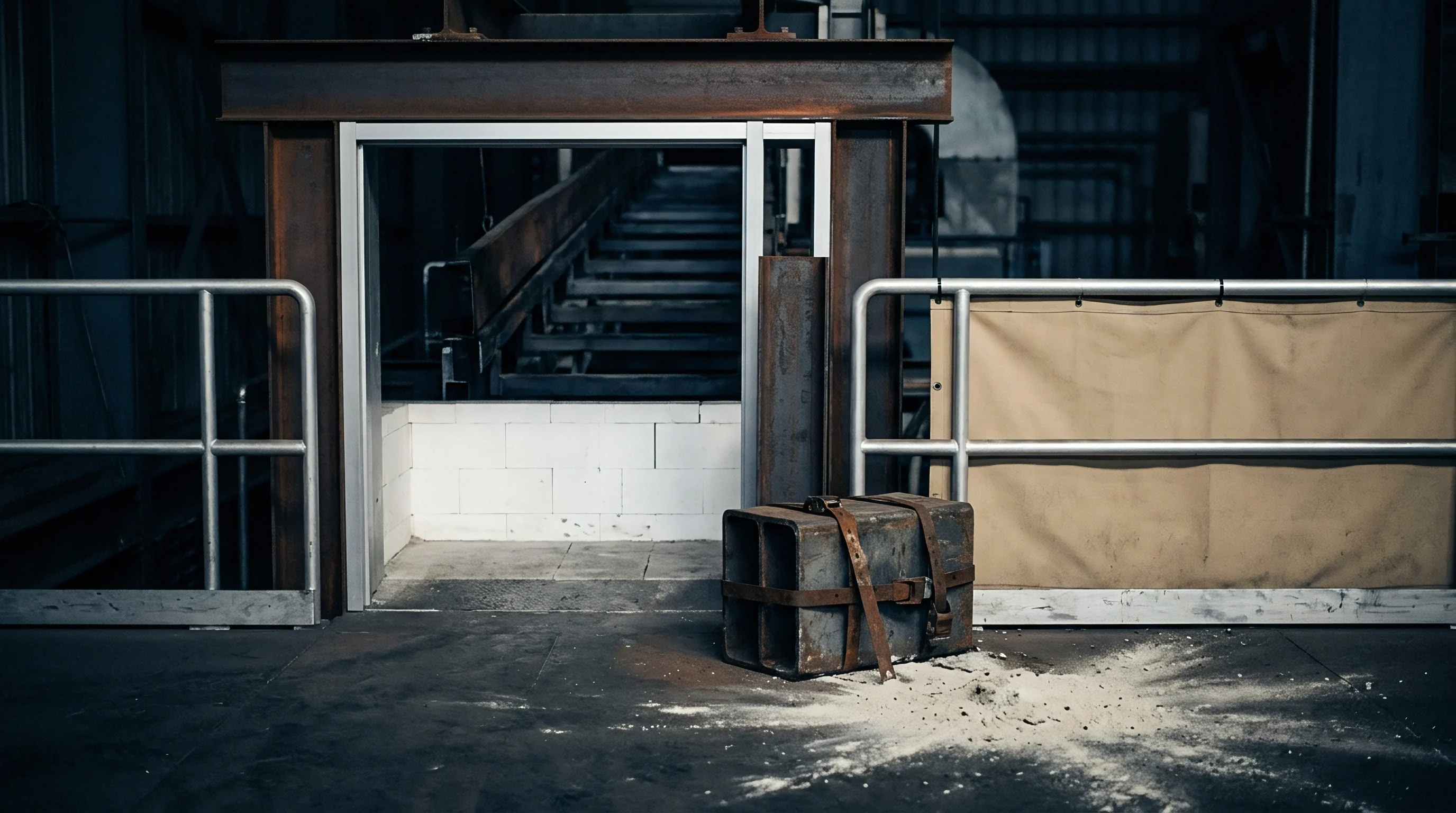
A metal storage box secured with straps sits on a concrete floor near a white masonry wall in this industrial digital render.

Outlook

Sourcing teams face a definitive duty decision within the next two quarters. That final ruling will determine whether these duties are confirmed for a full five-year term or adjusted downward following industry impact reviews.

Metal testing fixtures and glass sample vials occupy a dark industrial laboratory workbench equipped for raw material quality verification.

Verdict

Procurement teams must diversify TiO2 sources or re-budget for a minimum 14 percent input cost increase on Chinese pigments.

Signal Acquired from: European Commission

Nomenclature

Plastics Industry

Polymer Production ~ Synthetic chemical manufacturing converts hydrocarbon derivatives into durable molecular chains for high-volume fabrication.

Pigment Supply

Volume Flow ~ Raw chemical colorant availability depends heavily on synthetic organic intermediate production stability.

Trade Enforcement

Legal Architecture ~ Regulatory pressure forms the primary mechanism by which customs agencies police cross border product flows.

Procurement Policy

Regulatory Framework ~ A written mandate governs how an enterprise acquires goods or services by setting strict boundaries on vendor selection, contractual terms, and internal financial approvals.

Customs Levies

Statutory Assessment ~ Sovereign border charges imposed by fiscal authorities collect revenues on merchandise crossing national boundaries.

Anti-Dumping

Trade Remedy ~ Trade remedy investigations and resulting duties are the primary instruments used by governments to neutralize the market-distorting effects of foreign goods sold below their home-market value.

Paint Manufacturing

Chemical Formulation ~ Chemical compounding represents the primary method for synthesizing liquid coatings intended for substrate protection and aesthetic modification.

Chemical Regulation

Statutory Framework ~ Environmental protection standards represent the government rules that restrict the manufacture, import and industrial use of hazardous substances.

Supply Chain Intervention

Intervention Mechanics ~ Designated corporate and regulatory alteration of material flows describes supply chain intervention when external stakeholders enforce operational changes upon procurement networks.

Duty Rates

Tariff Taxation ~ Commercial customs levies function as the primary fiscal mechanism through which national governments regulate the movement of imported goods across borders to protect domestic industries or generate public revenue.

Chemical Sourcing

Procurement Protocol ~ Acquisition management systems define the structured methodology through which manufacturing entities secure raw chemical inputs while mitigating volatility in global price indices.

Border Measures

Trade Restriction ~ Administrative requirements and financial duties govern the movement of goods across sovereign lines.

What the firm knows, published

Expertise is a utility, not a secret. sentiention™ publishes its working knowledge as open reference: intelligence layer covering the materials it sources, the markets it enters, and the reference that serves both.