EU Cold-Rolled Steel Anti-Dumping Duties Will Lift Sourcing Costs

Proposed duties of 5.6% to 28.0% on cold-rolled steel from five countries will squeeze margins and restrict supply options.

28.08.26 2 min

Briefing

The European Commission’s proposed definitive anti-dumping duties of 5.6 percent to 28 percent on cold-rolled flat steel from India, Japan, Taiwan, Turkey, and Vietnam will squeeze supply and push up costs for European manufacturers. The action targets exporters that accounted for 23 percent of the European Union free market ~ 1.69 million metric tons ~ during the investigation period. Arriving alongside existing steel safeguard quotas and carbon adjustments, these duties leave procurement teams with fewer tariff-free options and higher component costs.
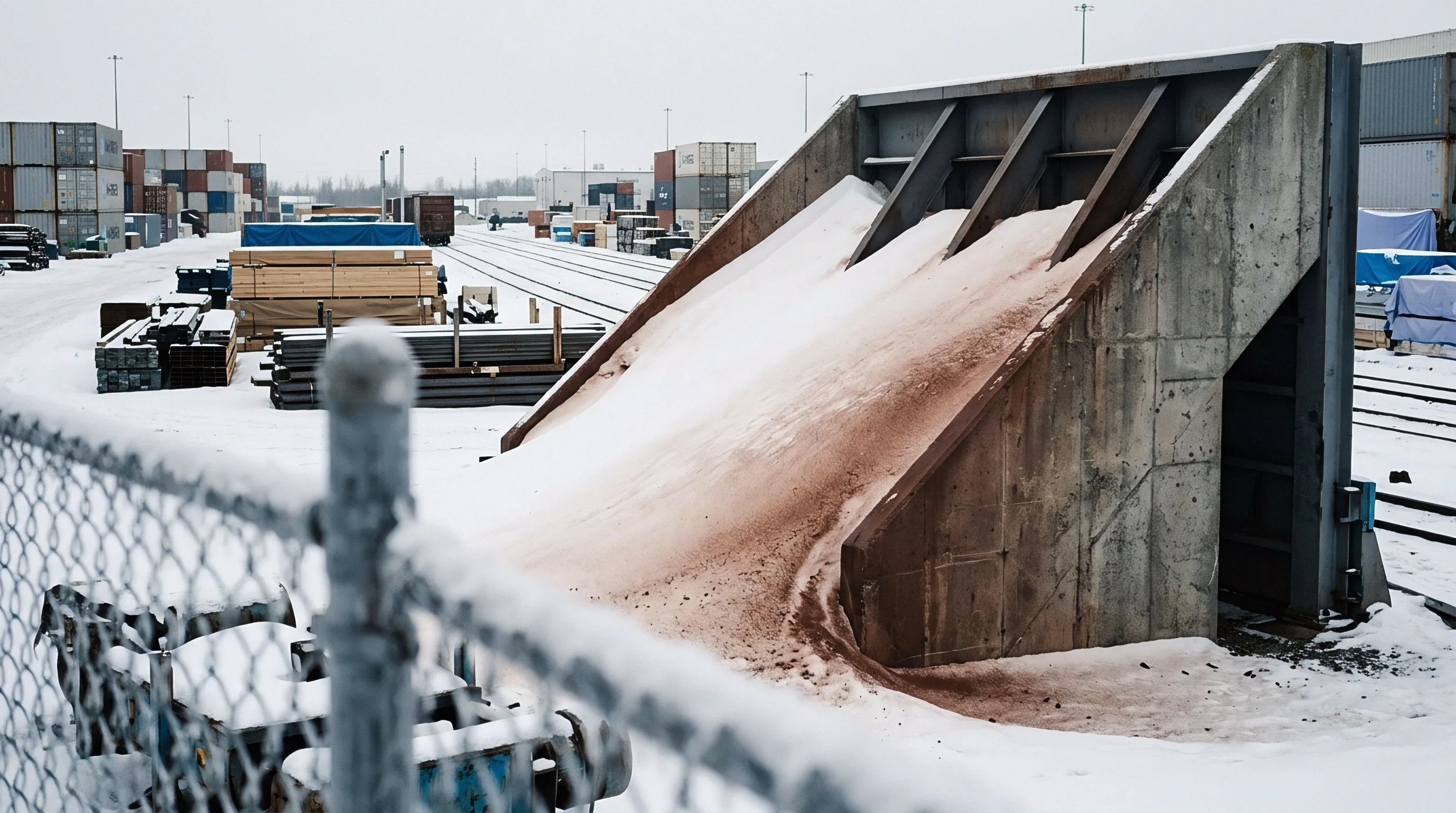
Reddish mineral aggregates spill from a concrete and steel retaining structure onto a snow covered industrial yard near rail tracks and shipping containers.

Context

Before the ruling, industrial buyers were watching whether rising imports from alternative hubs would continue serving as a release valve for high domestic prices. Sourcing desks were evaluating how carbon border adjustments and revised safeguard quotas would combine to restrict non-domestic supply. Most expected the European Commission to rule against foreign below-cost sales to protect regional mills.
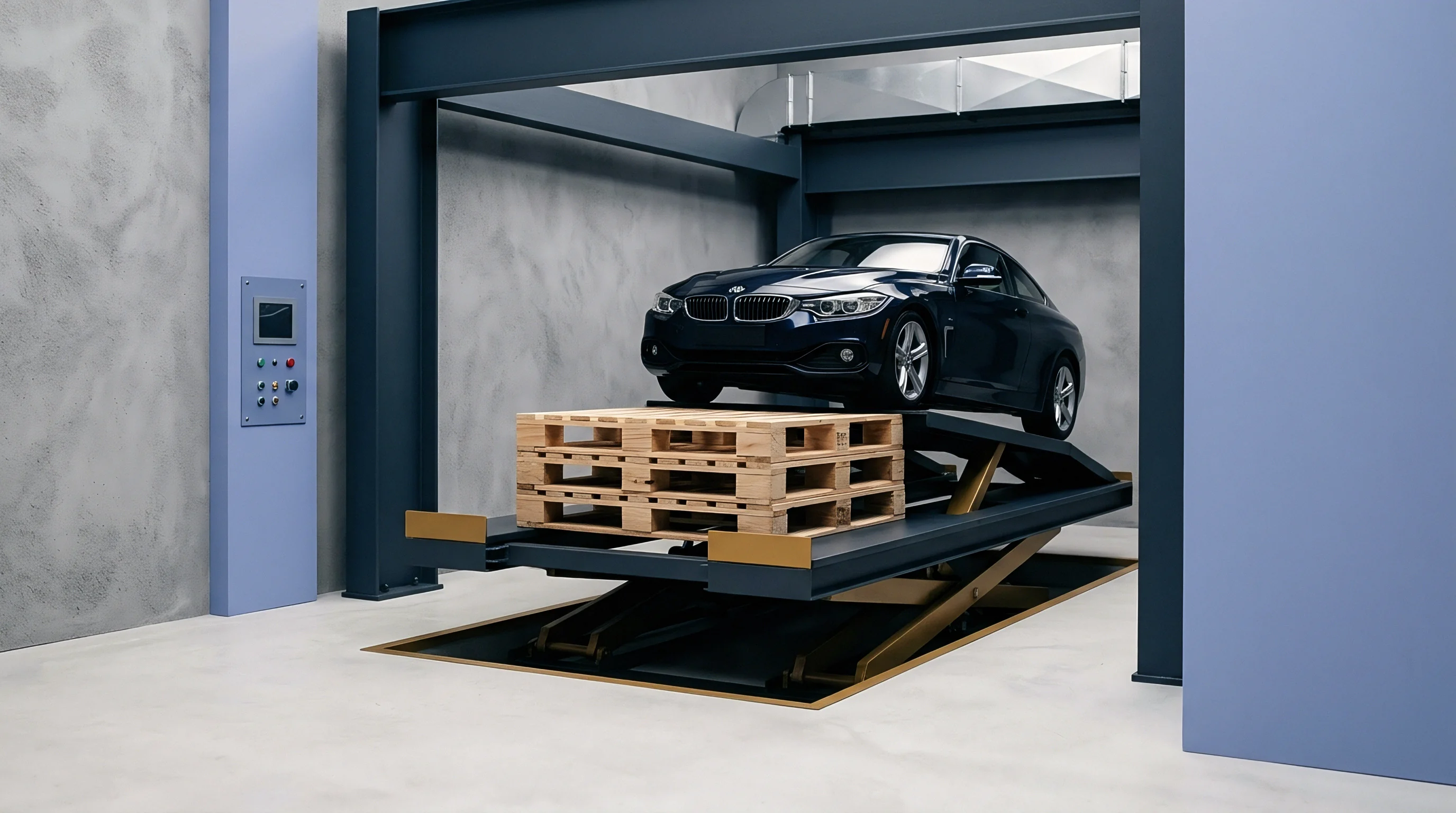
A digital render displays an industrial scissor lift platform holding wooden pallets and a vehicle inside a concrete warehouse facility.

Analysis

A year-long investigation led the European Commission to conclude that exporters in the five target countries sold cold-rolled coil below fair market value, directly injuring European mills. Restricting those lower-cost shipments limits supplier options and tightens market availability for bulk orders. Japanese mills face the top duty of 28 percent, while suppliers in India, Taiwan, Turkey, and Vietnam face rates starting as low as 5.6 percent.

Because European producers rely on energy-intensive batch annealing, their baseline costs remain higher than overseas competitors. Importers must pay these tariffs at the border, forcing them to absorb thinner margins or negotiate with domestic mills that now hold stronger pricing leverage. Buyers should anticipate longer lead times and higher base prices as trade flows realign.

Heavy steel structural supports frame wooden pallets holding industrial metal components on a concrete maritime loading dock overlooking harbor waters.

Parameters

  • Tariff range ~ Proposed definitive anti-dumping duties of 5.6 percent to 28.0 percent applied to cold-rolled flat steel imports.
  • Targeted countries ~ Five steel-exporting nations including India, Japan, Taiwan, Turkey, and Vietnam.
  • Import volume ~ 1.69 million metric tons of flat steel imported into the European Union during the investigated period.
  • Market share ~ 23 percent share of the European Union free market captured by the investigated countries.
  • Highest country tariff ~ 28.0 percent tariff imposed on Japanese exporters including Nippon Steel and Daido Steel.

A large rectangular ingot of raw industrial metal rests within a wooden crate surrounded by snow in an outdoor freight terminal.

Outlook

Over the coming quarters, redirected steel volumes will test European distributors and regional mills. Sourcing managers need to watch allocation and burn rates on quarterly European steel safeguard tariff-rate quotas. Rapid exhaustion of these quotas early in the period will signal that buyers are accepting higher tariff costs to bridge domestic supply gaps, pointing to sustained upward pressure on component pricing.
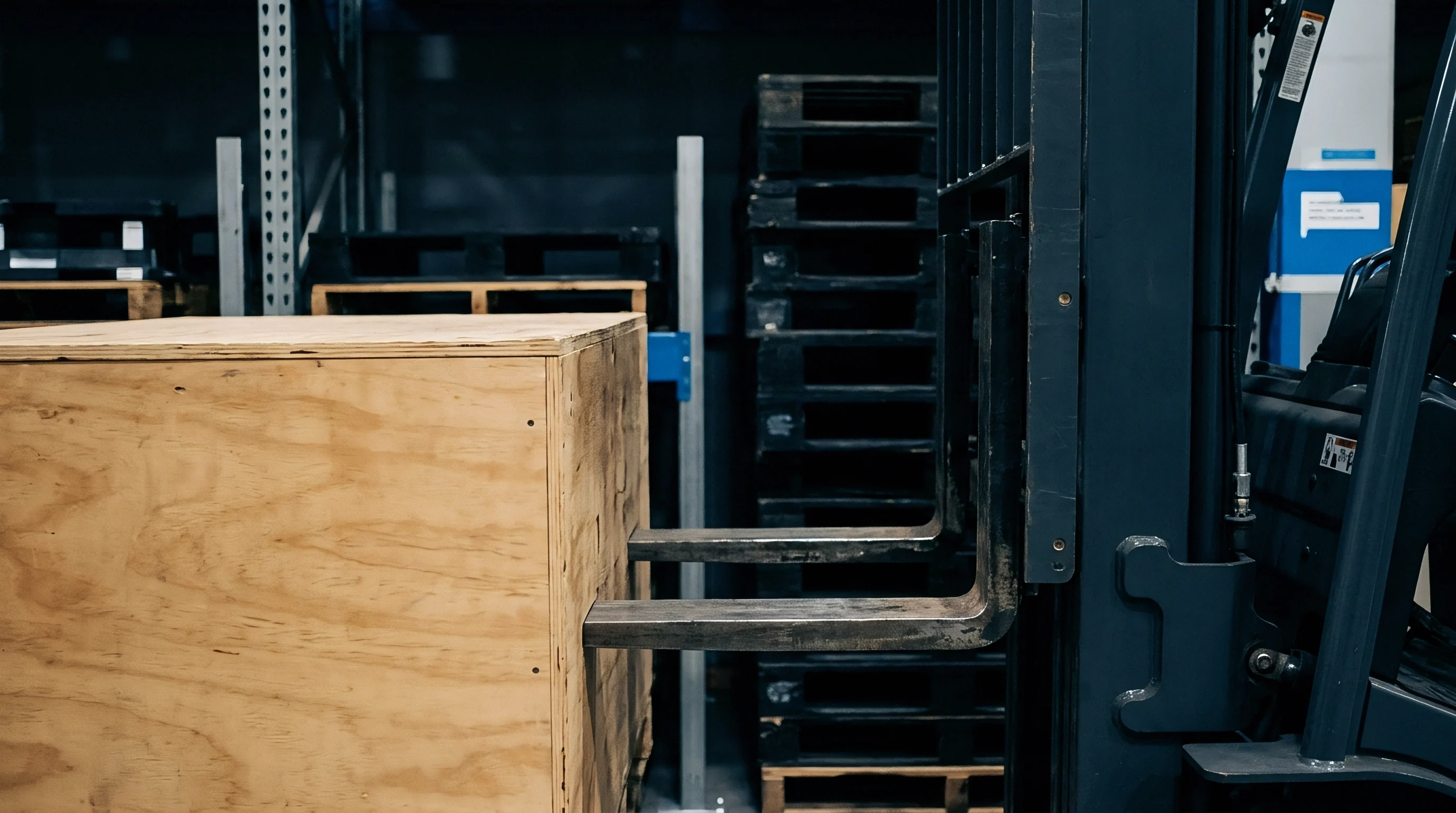
Heavy steel forklift forks engage the underside of a large plywood shipping crate inside an industrial warehouse containing multiple stacked black plastic pallets.

Verdict

Sourcing teams must immediately diversify cold-rolled steel supply lines outside the targeted nations or prepare for double-digit cost increases on imported European components.

Signal Acquired from: Shanghai Metals Market

Nomenclature

Trade Barriers

Commercial Impediment ~ State imposed restrictive measures limit the flow of goods and services between countries to protect domestic interests.

Carbon Border Adjustment Mechanism

Import Equalisation ~ Environmental trade regulations apply financial levies to high-emission goods entering a jurisdiction from regions with weaker climate policies.

Trade Defense Instruments

Corrective Protection ~ Legal mandates allow national authorities to apply additional duties or volume restrictions on foreign goods when exporters undercut domestic production through unfairly low pricing or government subsidies.

Anti-Dumping Duties

Regulatory Scope ~ Government intervention measures are applied to foreign goods sold below their fair market value to prevent injury to domestic industries.

Steel Supply Chain

Structural Vulnerability ~ Procurement managers face frequent disruptions when regional blast furnace closures restrict semi-finished product availability.

European Trade Policy

Statutory Framework ~ Customs union rules and common commercial regulations define how european trade policy governs the external exchange of goods.

Flat Steel Sourcing

Procurement Protocol ~ Global supply chain management relies on the systematic identification, qualification, and acquisition of processed ferrous metal sheets produced through rolling mills.

Manufacturing Metal Procurement

Metal Acquisition ~ Acquisition protocols define the systematic procedure for securing raw industrial material inputs for heavy production lines by aligning market availability with internal consumption schedules.

Steel Import Tariffs

Tariff Boundary ~ Protectionist trade barriers imposed on foreign metal shipments alter sourcing costs for domestic manufacturers.

Industrial Metal Procurement

Sourcing Strategy ~ Strategic supply chain operations secure raw non-ferrous and ferrous metals required for manufacturing, construction, and infrastructure projects.

Cold-Rolled Steel

Mechanical Tempering ~ Industrial metals processed through room-temperature compression exhibit altered crystalline structures that grant cold-rolled steel superior surface finish and tighter dimensional tolerances compared to hot-rolled varieties.

Import Customs Duties

Tariff Assessment ~ Government tax levies on cross-border merchandise shipments generate national revenue and protect domestic industrial sectors from foreign competition.

What the firm knows, published

Expertise is a utility, not a secret. sentiention™ publishes its working knowledge as open reference: intelligence layer covering the materials it sources, the markets it enters, and the reference that serves both.