BASF Raises Polyalcohol Prices Lifting Downstream Coatings and Resins Costs

A rise of up to 300 euros per ton for key polyols will lift sourcing costs for industrial coatings and resins.


28.08.26 2 min

Briefing

BASF is raising prices on key polyalcohol intermediates, neopentyl glycol and 1,6-hexanediol, across both Europe and North America. The hikes shift cost calculations for coatings, polyurethanes, adhesives, and resin formulations, led by an immediate 300 euros per metric ton increase on European 1,6-hexanediol that will anchor upcoming contract negotiations.

Rectangular material swatches in various shades rest on a flat surface next to a solid block in a logistics office setting.

Context

Procurement desks had spent recent months balancing soft downstream demand against persistent petrochemical volatility. Most buyers expected steady polyalcohol output to keep pricing stable through the end of the quarter, betting that producers would absorb mounting feedstock expenses rather than pass them along.

Heavy suspended steel flange hangs above a bound wire bundle resting on a wooden pallet inside an industrial warehouse.

Analysis

Feedstock inflation ultimately pushed BASF to defend its margins. The moves add 250 euros per metric ton to European neopentyl glycol and 300 euros per metric ton to 1,6-hexanediol, alongside a 221 dollars per metric ton lift for North American neopentyl glycol. Both intermediates are central to polyester resins and polyurethane systems. When their baseline costs climb, the pressure travels directly downstream from resin synthesizers to coating formulators, lifting prices on finished protective paints and adhesives. Because these polyalcohols lack ready substitutes with matching technical profiles, buyers have little leverage to avoid the increase.

A forged steel turbine blade component hangs suspended by steel wire ropes inside a cylindrical concrete industrial access shaft.

Parameters

  • European 1,6-Hexanediol Increase ~ €300 per metric ton price rise applied immediately.
  • European Neopentyl Glycol Increase ~ €250 per metric ton price rise applied immediately.
  • North American Neopentyl Glycol Increase ~ $221 per metric ton price rise taking effect on September 1, 2026.
  • BASF Global Neopentyl Glycol Capacity ~ 335,000 metric tons per year across global sites.

A digital render shows an industrial crane lifting a model cargo vessel between towering steel shipping containers inside a dark terminal warehouse.

Outlook

These increases will lift raw material baselines across industrial coatings over the coming quarter. The main variable ahead of September 1, 2026, is whether rival polyol producers match BASF’s figures. If other suppliers post similar revisions, the floor for polyester and polyurethane resins will reset higher across the entire market.
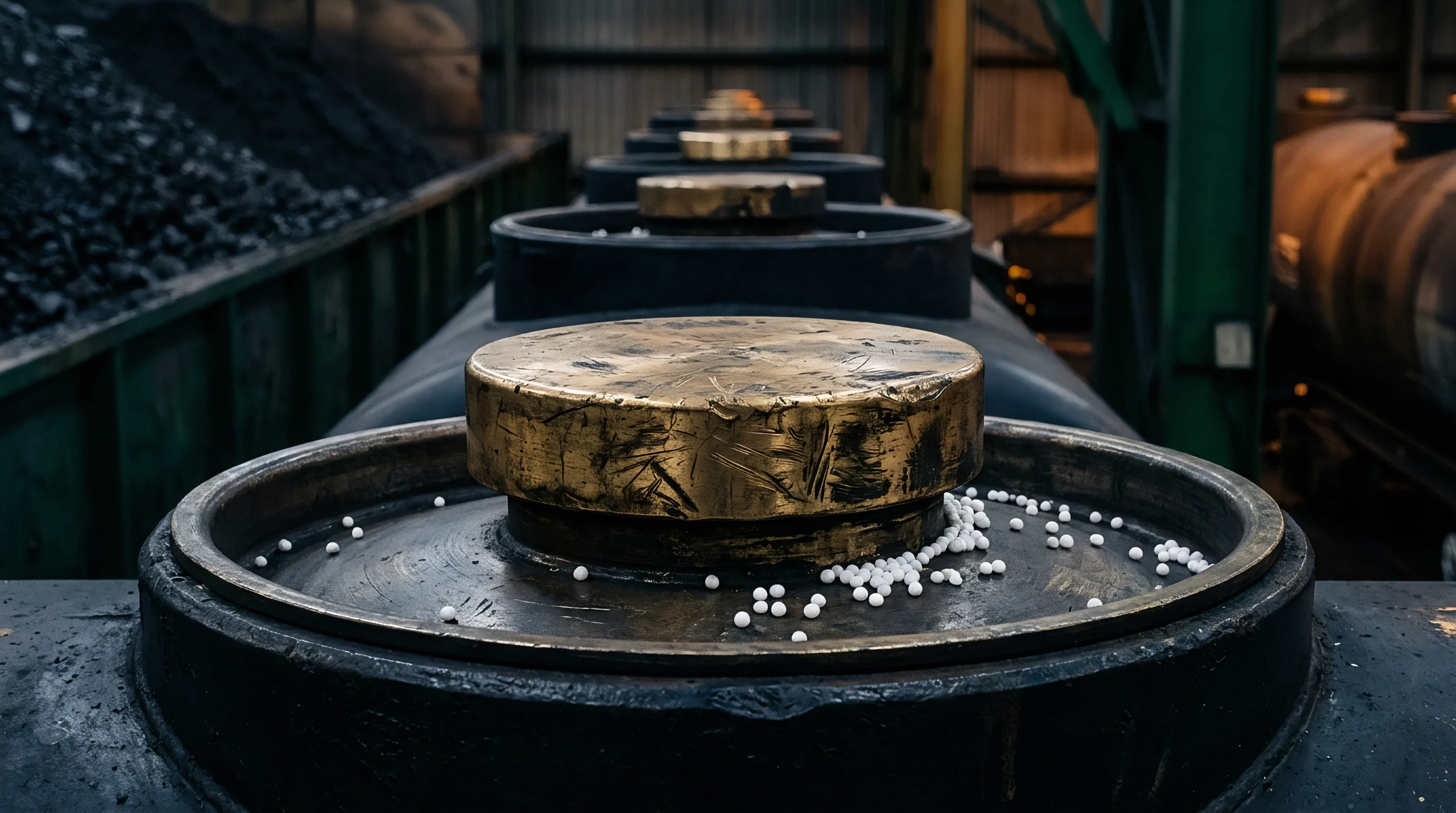
White polymer pellets scatter on the metallic hatches of bulk cargo tank cars parked inside an industrial distribution terminal.

Verdict

Buyers should lock down current resin and coating contracts now to stall the direct pass-through of these raw material price increases.

Signal Acquired from: Adhesives & Sealants Industry

Nomenclature

Hexanediol

Polyol Synthesis ~ Liquid chemical building block derived from petroleum fractions that participates directly in polymer chains and stops reacting once hydroxyl groups bind completely with acids or isocyanates.

Production Input Costs

Operational Expense ~ The total expenditure required to secure raw materials, energy, labor, and transport services dictates the final pricing of manufactured goods.

Petrochemical Derivatives

Molecular Transformation ~ Chemical commodities derived from petroleum and natural gas feedstocks form the backbone of industrial manufacturing.

Polyalcohol Intermediates

Synthesis Precursor ~ Organic chemical compounds containing multiple hydroxyl groups act as the foundational blocks for producing polyurethane foams, alkyd resins, and synthetic lubricants.

Supplier Price Adjustments

Contractual Clause ~ Formal provisions within long-term procurement agreements allow for the modification of contract prices when specific market conditions or input costs change.

North American Chemicals

Regional Output ~ Industrial chemical manufacturing in the United States, Canada, and Mexico utilizes abundant shale gas feedstocks to produce high volumes of basic polymers and specialty compounds.

Polyester Resins

Polymer Classification ~ Synthetic polymer compounds formed by the reaction of polyhydric alcohols with dibasic acids provide the structural base for composite materials, protective coatings, and molded plastics.

Contract Negotiation Bench

Evaluation Threshold ~ An analytical reference point provides procurement teams with a baseline for assessing pricing and terms against historical performance and market averages during procurement discussions.

Industrial Coatings Raw Materials

Material Composition ~ Chemical compounds and dry pigments constitute the primary substances formulated to protect surfaces from corrosion, weathering, and mechanical wear.

Plasticizers

Additive Chemistry ~ Chemical compounds added to polymers increase the flexibility, durability, and workability of finished plastic products.

Sourcing Risk

Vulnerability Matrix ~ Supply chain planners track sourcing risk to quantify the probability that single-node dependencies or regional regulatory shifts interrupt raw material delivery.

European Chemical Markets

Regional Structure ~ Transactional exchange platforms define european chemical markets through the aggregation of supply and demand for industrial inputs across the continent.

What the firm knows, published

Expertise is a utility, not a secret. sentiention™ publishes its working knowledge as open reference: intelligence layer covering the materials it sources, the markets it enters, and the reference that serves both.