North American Zinc Smelting Resumes as CEZinc Ends Maintenance Operations

Restored refinery output stabilizes regional zinc availability for galvanizers and alloy producers as supplies rebuild.


31.08.26 2 min

Briefing

The Noranda Income Fund has resumed full operations at its CEZinc processing facility in Quebec following a scheduled maintenance shutdown. The return to production increases physical zinc supply for North American buyers who rely on regional smelting rather than overseas imports. The facility provides high-purity finished metal that directly feeds the galvanizing operations of automotive and construction suppliers. Stabilized output removes immediate pressure on local spot premiums, which often climb when domestic smelting goes offline. The plant is the second largest zinc refinery in North America, with an annual capacity of 270,000 tonnes.

A metal organizer drawer contains neatly sorted industrial fasteners, hardware components, and metal bracket spares partitioned in individual compartments.

Context

Industrial buyers monitored the maintenance window to see if regional inventories would drop below floor levels. Procurement teams had anticipated tighter spot availability through the summer months and were looking for signs of a smooth restart to secure contract volumes for the autumn production season.
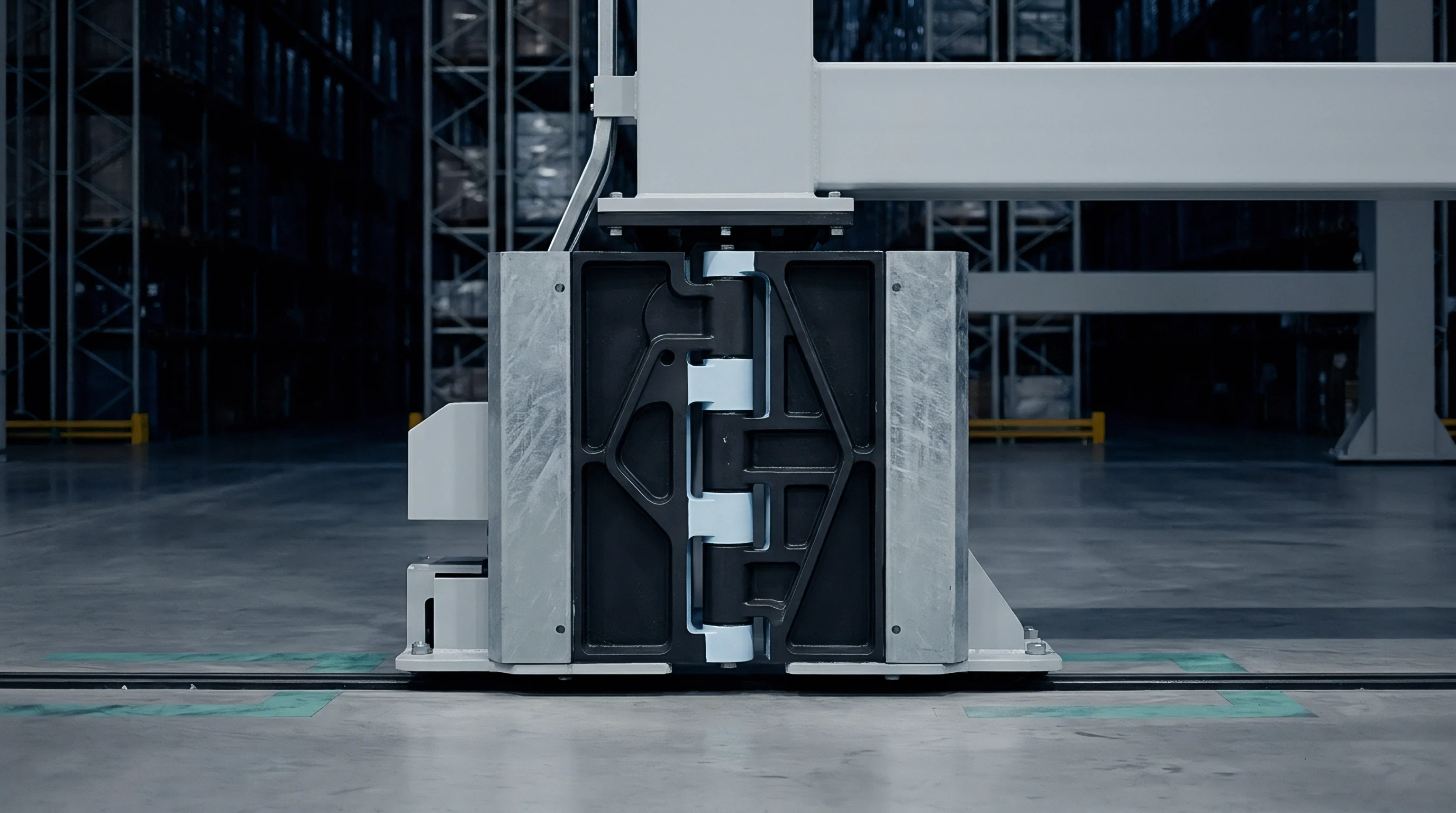
A heavy cast metal industrial hinge mechanism stands mounted on a concrete floor inside a high bay fulfillment warehouse facility.

Analysis

Refining metal requires continuous heat and chemical processes, so even a planned stop for structural repairs creates a gap in delivery schedules for finished plates. CEZinc converts zinc concentrate into refined metal ready for industrial use. With the machinery operational again, shipments into regional warehouses are returning to standard levels, bringing back predictable lead times for buyers. Local supply keeps costs down by relying on regional trucking instead of ocean freight and port handling. The restart functions much like refilling a reservoir, taking the urgency out of spot buys and letting consumer-level inventories accumulate again.

Leather protective gloves and a polished aluminum fitting rest beside a black bucket on a wooden bench inside a facility locker room.

Parameters

  • Annual Production Capacity ~ 270,000 tonnes of refined zinc annually which dictates regional market share.
  • Facility Ranking ~ Second largest zinc refinery in North America providing a buffer against import reliance.
  • Market Status ~ Confirmed return to operations following completed planned maintenance.
  • Primary Product ~ Special High Grade zinc and various value added alloys for industrial consumers.

An industrial worker wearing dark blue utility garments holds heavy maintenance equipment in a production facility setting.

Outlook

Market conditions should settle as zinc warehouse receipts build throughout the third quarter. Buyers should monitor physical delivery premiums listed by metal exchanges: flat or declining premiums will signal that domestic production is meeting current order volumes without forcing reliance on high-cost supplementary imports.

Heavy machinery spare parts and sorted hand tools rest on a dark metal workbench inside a production facility.

Verdict

Professional buyers should resume standard replenishment cycles as domestic refined zinc availability returns to pre maintenance levels.

Signal Acquired from: Noranda Income Fund

Nomenclature

Spot Market Availability

Immediate Supply ~ Uncommitted material or transport capacity ready for immediate purchase and quick delivery represents the uncontracted volume inside industrial markets.

Refining Capacity

Throughput Threshold ~ Industrial plant specifications establish the maximum volume of crude or semi-processed material that an infrastructure facility can process into purified commercial grades per unit time.

Downstream Manufacturing

Secondary Assembly ~ Industrial processing stages that convert refined commodities and raw materials into finished consumer goods operate at the end of the supply chain.

Supply Chain Normalization

Equilibrium Restoration ~ Structural stabilization processes describe the return of logistics networks and manufacturing schedules to a predictable state after a period of intense disruption.

Industrial Inventory Rebuild

Supply Volatility ~ Stock replenishment cycles represent an industrial inventory rebuild following extended periods of supply chain depletion.

Metals Contracting

Cost Structure ~ Industrial pricing agreements secure raw material supply over multiyear production horizons while balancing volatility against fixed mill obligations.

Base Metal Procurement

Market Mechanics ~ Commercial acquisition practices governing refined non-ferrous metals manage raw material inputs across smelting and industrial manufacturing sectors.

Refined Zinc

Industrial Element ~ A corrosion-resistant blue-gray metal is primarily used to coat iron or steel products to extend their operational lifespan.

Refined Base Metals

Purity Grade ~ Standardized industrial materials represent the high-purity output of smelting and electrolytic processes.

Metal Alloying

Chemical Synthesis ~ Modification of base element properties occurs when additional atoms occupy the interstitial or substitutional positions within a crystalline lattice.

Regional Smelting

Processing Node ~ Localized extraction and reduction of mineral concentrates shorten the distance between primary resource extraction and finished metal consumption.

Physical Premia

Market Surcharge ~ Spot negotiations frequently incorporate physical premia to bridge the gap between benchmark futures prices and local delivery realities.

What the firm knows, published

Expertise is a utility, not a secret. sentiention™ publishes its working knowledge as open reference: intelligence layer covering the materials it sources, the markets it enters, and the reference that serves both.