Asian Port Congestion Will Squeeze Shipping Capacity until Mid-2027

Persistent delays in Asia-Pacific hubs require buyers to secure shipping allocations months before the holiday rush.

29.09.26 2 min

Briefing

Widespread port congestion across Asia-Pacific hubs continues to tie up container tonnage and cut effective global shipping capacity, leaving buyers facing longer import lead times and elevated regional freight rates for multiple quarters. The backlog removes enough active vessel supply to prevent rates from stabilizing ahead of the next major export cycle. With three million twenty-foot equivalent units of vessel capacity currently stalled in port queues, inventory buffers require immediate adjustment.
Metal extraction machinery processes a heavy cylindrical billet above stacked shipping containers inside a dim industrial freight terminal at evening.

Context

Procurement desks anticipated that new vessel deliveries would finally relieve rate pressure and restore regular sailing schedules. Shippers also counted on the typical post-peak seasonal lull to open up vessel space and reduce the need for advance booking commitments.
A digital render shows an industrial crane lifting a model cargo vessel between towering steel shipping containers inside a dark terminal warehouse.

Analysis

Successive typhoons at major Chinese hubs triggered disruptions that quickly cascaded into Southeast Asian transshipment centers. When adverse weather halts terminal operations, vessels back up at anchor, throwing downstream rotations off schedule. To recover lost time, carriers have bypassed congested ports, transferring the strain onto adjacent gateways and generating secondary delays.

Because effective vessel supply remains constrained, regional spot rates continue to climb and cargo rollovers persist despite nominal growth in the global fleet.
A digital render of an industrial intermodal freight yard containing a central weighbridge flanked by railway tracks and stacked shipping containers.

Parameters

  • Absorbed Capacity ~ 3 million twenty-foot equivalent units of global container fleet capacity currently stuck in port queues.
  • Delayed Fleet Percentage ~ 8.5 percent of the global containership fleet is active but unavailable due to operational delays.
  • Unwinding Timeline ~ Seven to ten months of stable operations are required to return port congestion to low historical levels.
  • Intra-Asia Price Increase ~ Shanghai to Laem Chabang spot rates rose by 22 percent as regional capacity tightened.
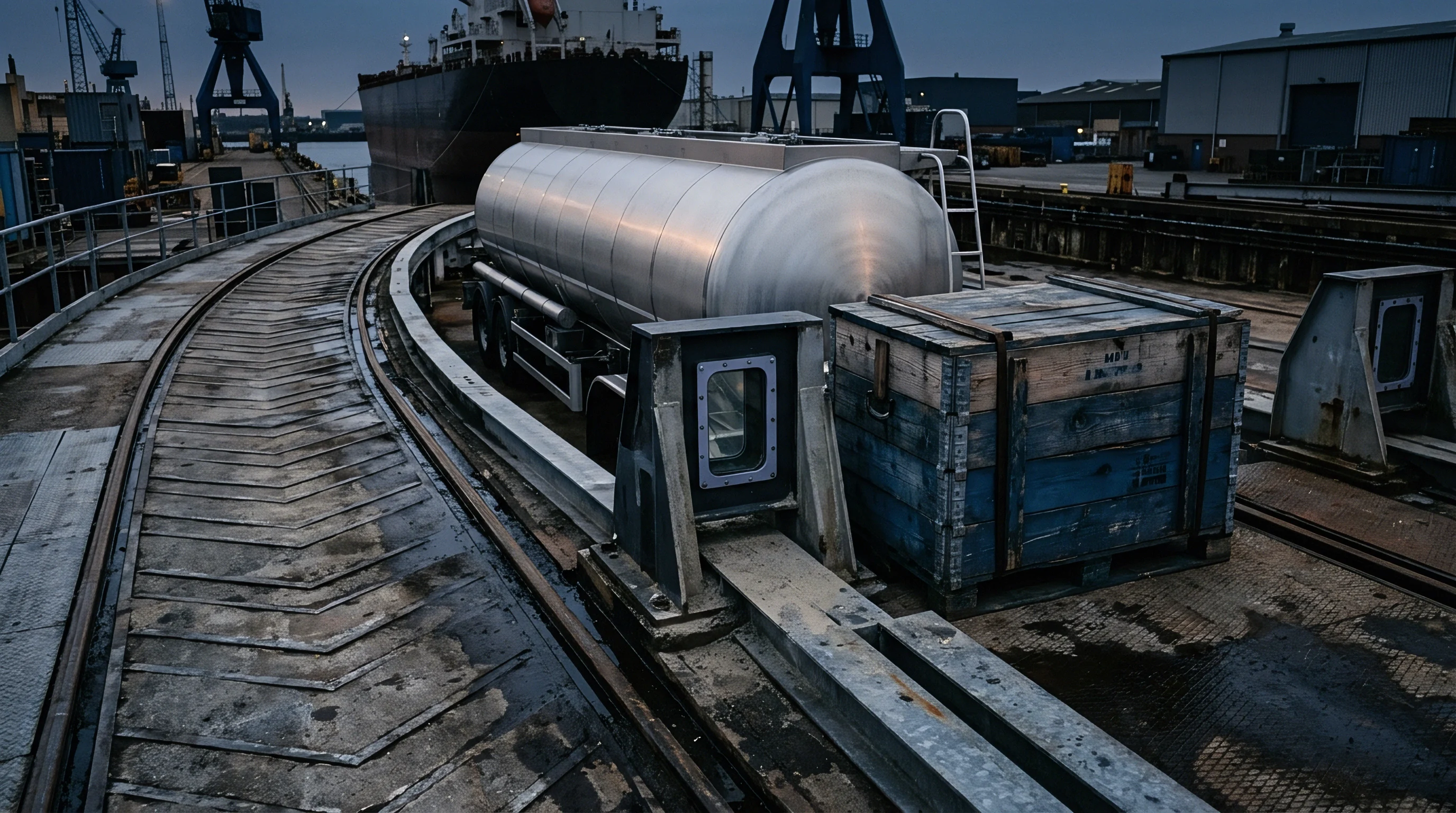
A stainless steel tanker and wooden cargo crate rest on industrial rail tracks inside a coastal shipping terminal during evening twilight.

Outlook

Extended transit times will persist through year-end and into the pre-Chinese New Year shipping surge in early February 2027. Sourcing teams will need to track regional intra-Asia spot indices alongside carrier blank sailing notices to gauge whether port backlogs begin to clear or continue pushing downstream.

A dark digital render features a miniature cargo vessel suspended above a reclining figure beside a podium against a dark background.

Verdict

Secure shipping allocations at least six weeks in advance to protect supply chains from prolonged terminal delays and cargo rollovers in Asian hubs.

Signal Acquired from: Splash247

Nomenclature

Freight Procurement

Vendor Selection ~ Cargo capacity sourcing identifies the specific negotiation and contracting actions undertaken by organizations to secure external transportation services for the movement of goods through global supply chains.

Blank Sailings

Service Withdrawal ~ The intentional cancellation of scheduled ocean transport services allows carriers to manage vessel capacity and stabilize freight rates during periods of low demand.

Supply Chain Planning

Operational Horizon ~ Forecasting protocols determine future material flows by reconciling historical consumption figures with contracted sales orders across fixed monthly intervals.

Container Shipping Delays

Transit Interruption ~ Delays in the arrival or departure of containerized cargo vessels resulting from congestion or equipment shortages disrupt the flow of the global logistics network.

Transit Lead Times

Logistics Interval ~ Cargo transit lead times denote the cumulative duration measured from the departure of a carrier at the point of origin until the arrival at the final destination facility.

Port Congestion

Systemic Bottleneck ~ Marine transit interruption occurs when vessel arrival volume exceeds the capacity of terminal infrastructure to process cargo, leading to extended wait times at anchorage or within berths.

Maritime Logistics

Oceanic Coordination ~ Management of sea transport and port operations ensures the smooth movement of goods across the globe.

Ocean Freight Capacity

Shipping Volume ~ Total container space on active maritime vessels defines the physical limit of international trade routes within the global logistics network.

What the firm knows, published

Expertise is a utility, not a secret. sentiention™ publishes its working knowledge as open reference: intelligence layer covering the materials it sources, the markets it enters, and the reference that serves both.